Nigel Farage Launches Reform UK's Local Election Campaign with Scathing Critique
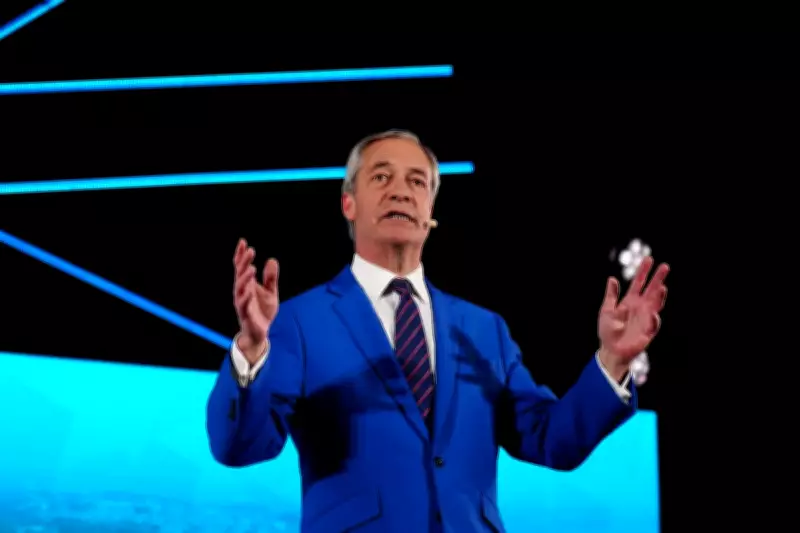
Reform UK leader Nigel Farage has delivered a blistering assessment of Britain's political landscape, declaring that the traditional two-party system has "broken Britain" as he launched his party's campaign for the upcoming local elections. Speaking to members at a rally in Sunderland, the Clacton MP framed the May 7 polls as nothing less than a "referendum on our entire political class."
A Pledge to Prioritise British Interests
In his speech, Farage made a firm commitment to "put the interests of British people first," positioning this as a core contrast with what he described as the priorities of the established parties. He emphasised that while Reform would campaign on local policies and seek to control council tax levels, the elections would also serve as a decisive verdict on the Westminster Government.
"This effectively will be a referendum on our entire political class and our message is simple," Farage stated. "If you want real change, if you want different people, if you want those with the courage, who are prepared to stand up and put the interests of British people first, not international treaties or bogus organisations, if you want people who will make sure that it's British people that go to the top of social housing lists, and not young men who've just arrived by boat, if you want change on May 7, you've got a chance to vote for change."

He added with conviction, "Something remarkable is happening out there, and it's because people understand that the two-party system has broken Britain."
Political Defections and Local Empowerment
Appearing alongside Mr Farage was Aaron Roy, a former Labour councillor from Hartlepool who announced he had left the party to join Reform. Roy explained his decision by stating a belief in "giving power back to communities."
"For me, politics is not about control, it's about service," Mr Roy said. "It's not about protecting positions, it's about empowering people, and that's why today I'm joining Reform."
Financial Claims and Council Tax Controversies
Central to Reform's local election pitch is the party's assertion that it has identified £700 million in savings across the 12 councils it controls, achieved "without touching frontline services." This figure represents a significant increase from the £331 million in savings the party claimed last November.
Reform is aiming to convert its current opinion poll lead into tangible votes at the ballot box in May, building upon the 677 councillors it secured in last year's local elections. However, these financial claims have not gone unchallenged.
Opposition councillors have disputed the savings assertions, while Labour has pointed to specific consequences in Reform-run areas, including the closure of care homes and adult education services in Derbyshire. Labour has also criticised Reform for increasing council tax in some authorities, despite pre-election promises to cut the levy.
In response, Reform now argues that council tax rises in authorities where it holds majority control have averaged less than those run by Labour, the Conservatives, or the Liberal Democrats. The party describes below-inflation increases in some councils as a "real-terms tax cut."
This claim, however, notably excludes Worcestershire, where Reform runs a minority administration and implemented a council tax increase of 9% this year. The discrepancy highlights the ongoing political battles over fiscal responsibility and local governance as the election campaign intensifies.