The Electoral Commission has issued a stark warning that husbands who attempt to influence or pressure their wives on how to vote in the upcoming local elections could face potential jail terms. The elections watchdog highlighted the 'serious crime' of voter coercion ahead of the polls on May 7, following concerning reports from the recent Gorton and Denton by-election.
Legal Protection for Independent Voting
Niki Nixon, Director of Communications at the Electoral Commission, emphasised the fundamental right to vote freely and privately. She told the Daily Telegraph: 'No matter how you vote, your vote is yours alone. Your right to vote independently, privately, and free from undue pressure is protected in law.'
She added a clear warning: 'Anyone who tries to induce or compel someone to vote in a particular way, or not to vote at all, is committing a serious crime that can result in a prison sentence.' While reported cases remain low, Nixon stressed that authorities 'must not be complacent' about the integrity of the electoral process.

Background in Gorton and Denton By-Election
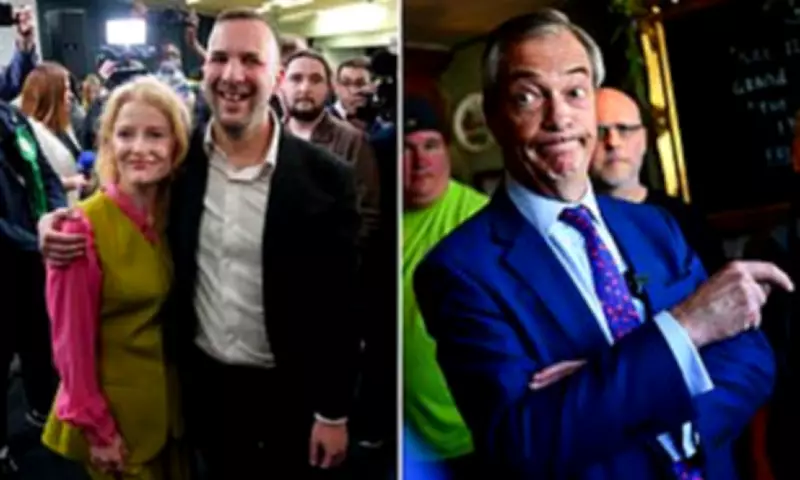
The Commission's warning follows the Green Party's narrow victory over Reform UK in the former Labour stronghold of Gorton and Denton on February 26. That by-election was marred by claims of illegal 'family voting,' where two individuals use a single polling booth and potentially direct each other on who to support.
Election observer group Democracy Volunteers, which is accredited by the Electoral Commission, reported 'concerningly high levels' of this illegal practice during the by-election. Greater Manchester Police launched an investigation but shelved it last month, stating they found no evidence of 'intent to influence or deter any person from casting a ballot.'
Political Reactions and Controversy
This decision prompted strong criticism from Reform UK leader Nigel Farage, who had previously warned about the 'integrity of the democratic process in predominantly Muslim areas.' Farage branded the police investigation closure an 'establishment whitewash,' claiming that illegal interventions had robbed his party of victory.
He stated at the time: 'This isn’t good enough. We need proper oversight, real accountability and the courage to admit when something isn’t right – not another brushed-under-the-carpet report from the usual suspects.'
Broader Electoral Context
This year's local elections will take place across 134 local authorities in England, with Labour expected to face significant challenges. The Conservatives are also under pressure, while the Greens are predicted to gain hundreds of wards and Reform UK is in line to gain more than 2,000 seats according to projections.
Mark Hallas, Chief Executive of Crimestoppers, highlighted that trust in the electoral process affects how the UK is perceived internationally. He said: 'Our country has a history of holding elections that are internationally trusted and seen to be fair. This is a tradition we can all play a part in protecting.'
Hallas urged vigilance: 'It’s vital that anyone with suspicions of voter fraud speaks up, either to the police or completely anonymously to Crimestoppers.'
Innovations in Voting Accessibility
In related developments, voters will be allowed to cast their ballots at shopping centres rather than traditional polling stations under Labour's latest relaxation of electoral law. A pilot project during May's council elections will enable residents of Milton Keynes to vote at the city's 'centre:mk' mall.
The Government indicated that the concept of a 'voting hub' could eventually be replicated 'across the country in future elections along high streets and in town centres,' potentially increasing accessibility while maintaining electoral integrity.