In a familiar political rhythm, Scotland's main party leaders delivered major set-piece speeches this week, each attempting to chart a course for the nation in this crucial election year. Yet for one seasoned voter, the competing visions from John Swinney, Anas Sarwar, and Russell Findlay only solidified a painful decision: to abstain from voting for the first time in over three decades.
A Democratic Habit Broken
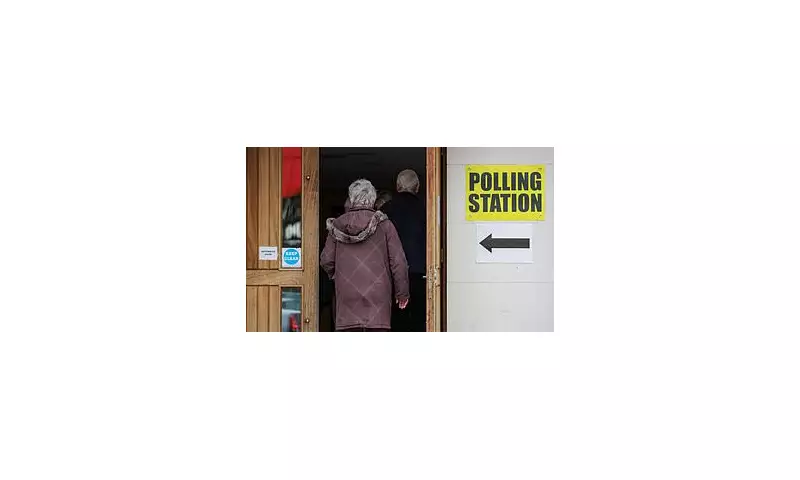
Having first voted with enthusiasm in 1992, this voter maintained an unbroken record of participation in every local and national election for 32 years. The principle was clear: the freedom to vote included the freedom not to, but personal conviction always led to the polling station. That changed dramatically during the 2024 General Election, when a profound disillusionment with all major parties prompted a historic stay-at-home.
The reasons were multifaceted. The Conservatives were seen as putting party before country at Westminster, mired in infighting. The SNP was accused of squandering goodwill to pursue constitutional division, ignoring the 2014 referendum result. Labour, despite expelling Jeremy Corbyn, was perceived as still tainted by anti-Semitism. Furthermore, all major parties, including the Lib Dems and Scottish Greens, were viewed as captured by trans activist agendas, compromising women's rights and safeguarding.

Empty Rhetoric and Missed Priorities
Analysing Monday's speeches did little to rebuild trust. SNP leader and First Minister John Swinney focused heavily on independence, framing a majority for his party in May as a trigger for a second referendum—a position repeatedly rejected by the UK Government. His headline-grabbing pledge for a bank holiday to mark Scotland's World Cup appearance was dismissed as a costly gimmick. Critics point to the SNP's 19 years in power and failures on key metrics: a perpetually crisis-stricken NHS, worrying standards in literacy and numeracy in schools, and high income taxes not translating into improved public services.
Anas Sarwar, who revitalised Scottish Labour to win 37 Westminster seats in July 2024, now faces blowback from unpopular decisions made by the UK Labour leadership. His suggestion that London colleagues stay away during the Holyrood campaign underscored his local difficulties. For Russell Findlay, who inherited a struggling Scottish Tory party in September 2024, the challenge is to rally mainstream voters while the UK party veers right to counter Reform UK. While he focused on taxes, education, and economic recovery, the Westminster brand remains a heavy burden.
A Shared Uncertainty and a Final Plea
The underlying theme from all three leaders was not confidence, but a palpable shared uncertainty about Scotland's future. For the disenchanted voter, the speeches offered no compelling reason to return to the fold. The core issues—fixing the NHS, reforming education, and responsibly managing the economy—were either blamed on the Union or lost in a fog of constitutional wrangling and unpopular social policies.
With the Holyrood election in May, Scotland's political leaders have just four months to persuade this voter, and many others feeling similarly alienated, that engaging in the democratic process is worth the effort once more. The current prognosis, however, is not promising.