Trump Shifts into Election Mode, Pitches Tariff Economy to Georgia Voters
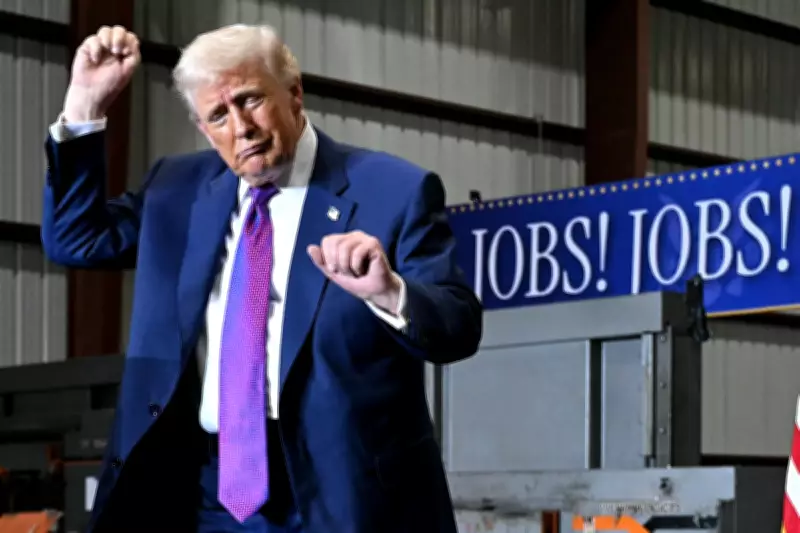
Former President Donald Trump made a campaign stop in Rome, Georgia, on Thursday, February 19, 2026, aiming to convince voters that his tariff-centric economic policies are beneficial rather than harmful to the United States. The event, part of a broader midterm strategy, saw Trump rallying alongside Republican candidates and defending his record amid ongoing inflation pressures.
Defending Tariffs as Economic Salvation
During his visit, Trump toured the Coosa Steel Corporation plant and addressed its owners, asserting that his "reciprocal" tariff agenda has compelled major trading partners like Canada to engage more fairly with U.S. markets. "Without tariffs, this country would be like your company was two years ago. What a difference it made," he declared, crediting his policies for revitalizing American manufacturing.
He emphasized actions such as ending Biden-era exemptions and imposing new tariffs on derivative products, including steel racks. "It's all because you finally have a president who put America first," Trump stated, positioning tariffs as a key tool against foreign dumping and economic malaise.

Midterm Strategy and Economic Messaging
Trump's appearance in Georgia is part of a series of economy-focused events in states like Pennsylvania and Iowa over the past three months. The White House has framed these outings as efforts to showcase Trump's economic program, which relies heavily on tariffs and regulatory rollbacks to combat post-Covid inflation. However, these rallies have often devolved into grievance-laden speeches with questionable claims about economic performance.
In Rome, Trump told voters that prices are declining broadly, contrary to data showing persistently high costs in sectors like food and healthcare. Notably, he opposed extending federal subsidies for Obamacare exchanges, contributing to premium spikes for millions of Americans.
Political Allies and Controversial Remarks
Trump campaigned with Republicans including Rep. Mike Collins, his pick to challenge Democratic Sen. Jon Ossoff. The event also featured former Senate candidate Herschel Walker, whose failed 2022 bid helped Democrats secure Georgia's Senate seats. Walker's remarks praised Trump but quickly shifted to attacks on transgender Americans, highlighting divisive social issues amid the economic discussion.
Expert Analysis Contradicts Tariff Benefits
Despite Trump's assertions, independent analyses challenge the efficacy of his tariff policies. A report by EconoFact found that tariffs have sustained inflation, estimating that the August 2024 Consumer Price Index rate of 2.9% would have been 2.2% without tariff impositions. Federal Reserve studies indicate businesses are passing tariff costs to consumers, with 94% of these costs borne by Americans in the first eight months of 2025.
Trump's use of emergency powers has raised average tariff rates to approximately 17%, the highest since the Smoot-Hawley era. The Supreme Court is currently reviewing the legality of these actions, a case Trump has criticized as driven by "China-centric" interests.
White House Response and Ongoing Challenges
In a statement, the White House claimed Georgia is experiencing recovery under Trump's leadership but acknowledged "more work remains" to address economic damage from the Biden era. This tacitly reflects voter dissatisfaction with Trump's handling of inflation and cost-of-living issues since his return to office in 2025.
Administration officials point to modest inflation reductions as evidence of policy success, yet broader economic indicators suggest tariffs may be exacerbating financial strains for consumers and businesses alike.