Attorney General Pam Bondi has declared that federal prosecutors have indicted thirty additional individuals connected to a demonstration at a Minnesota church concerning immigration enforcement actions. The announcement was made on Friday, February 27, 2026, marking a significant escalation in the legal response to the protest.
Expanded Legal Action Against Protesters
In a social media statement released on Friday, Bondi confirmed that twenty-five people had already been arrested, with further arrests anticipated later that day. She issued a stern warning, stating, "YOU CANNOT ATTACK A HOUSE OF WORSHIP. If you do so, you cannot hide from us — we will find you, arrest you, and prosecute you." Bondi emphasized the Department of Justice's stance, adding, "This Department of Justice STANDS for Christians and all Americans of faith."
Details of the Indictments and Arrests
The newly indicted individuals join a growing list of defendants, bringing the total number of people charged in relation to the church protest to thirty-nine. All face charges of conspiracy against religious freedom and interfering with the right of religious freedom. Among those arrested are independent journalists Don Lemon and Georgia Fort, as well as prominent local activist Nekima Levy Armstrong. Armstrong was notably the subject of a doctored photo circulated by the White House, depicting her crying during her arrest. All three have entered not guilty pleas to civil rights charges.
Background of the Church Protest
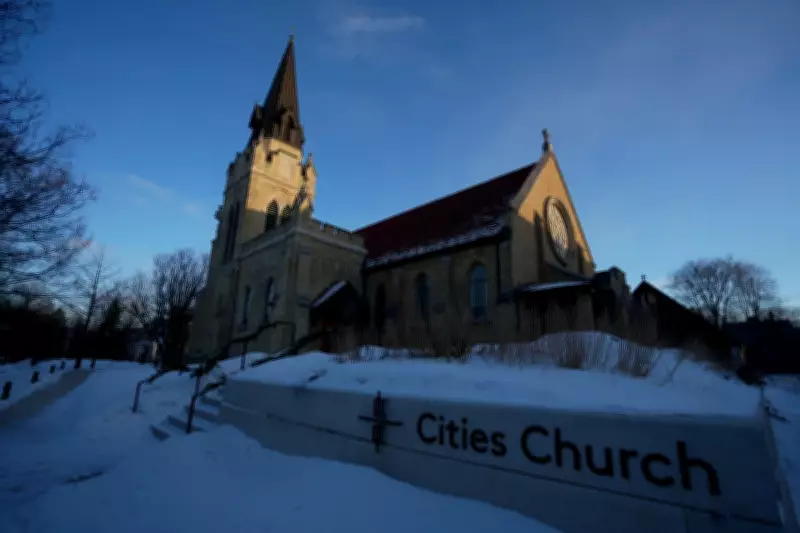
The protest occurred at Cities Church in St. Paul, Minnesota, on January 18, after it was revealed that one of the church's pastors also served as an Immigration and Customs Enforcement official. The demonstration, which disrupted a Sunday service, drew immediate condemnation from Trump administration officials and conservative leaders.
Broader Context of Immigration Enforcement in Minnesota
This incident unfolded during a period of heightened tension in Minnesota, where the Trump administration deployed thousands of federal officers under Operation Metro Surge. This operation was initiated following a series of government fraud cases, many involving defendants of Somali descent. Federal officers frequently used tear gas for crowd control during clashes with activists in neighborhood disputes, often detaining both activists and immigrants.
The situation was further inflamed by two fatal shootings involving federal officers. On January 7, officer shot and killed 37-year-old mother Renee Good in south Minneapolis. One week after the church protest, another federal officer killed 37-year-old nurse Alex Pretti. These incidents sparked nationwide demonstrations, leading to a change in leadership for Operation Metro Surge and the eventual wind-down of the immigration enforcement operation in mid-February.
Economic and Community Impact
Since the operation's conclusion, the Twin Cities have been dealing with significant repercussions for local communities and the economy. The city of Minneapolis reported an economic impact of $203.1 million due to the operation, with tens of thousands of residents requiring urgent relief assistance. This highlights the profound and lasting effects of the enforcement actions and subsequent protests on the region.