Bangladeshi Workers Deceived into Russian Military Service for Ukraine War
An extensive investigation has uncovered a disturbing pattern where Bangladeshi migrant workers were lured to Russia under the pretence of civilian employment, only to be forcibly thrust into the brutal conflict in Ukraine. The Associated Press documented multiple cases of individuals who faced threats, violence, and coercion after being deceived into signing military contracts.
False Promises and Military Deception
Maksudur Rahman, from Lakshmipur district in southeast Bangladesh, was persuaded by a labour recruiter to travel to Russia for a janitorial position. Upon arrival in Moscow in December 2024, he and other Bangladeshi workers were presented with Russian documents they believed were for cleaning services. These turned out to be military enlistment papers.
"They'd say, 'Why don't you work? Why are you crying?' and kick us," recounted Rahman, who escaped after seven months. Workers were threatened with ten-year prison sentences and physical abuse if they refused to comply.
Frontline Horrors and Coerced Combat
The men underwent brief training in drone warfare, medical evacuation, and basic combat skills before being dispatched to frontline positions. They were ordered to perform perilous tasks such as advancing ahead of Russian forces, transporting supplies, and recovering casualties.
Rahman described harrowing conditions in leaky bunkers with constant bombardment. "One person was serving food. The next moment, he was shot from a drone and fell to the ground right there. And then he was replaced," he recalled.
Broader Recruitment Network Uncovered
The investigation revealed this was not an isolated incident. BRAC, an organisation advocating for Bangladeshi workers, identified at least ten missing men after families reported losing contact with relatives in Russia. Police investigations uncovered a trafficking ring involving Bangladeshi intermediaries with connections to Russian authorities.
Shariful Islam of BRAC's migration program explained, "There are two or three layers of people who are profiting." The network funneled recruits through a company called SP Global, which has since ceased operations.
Families Left in Anguish
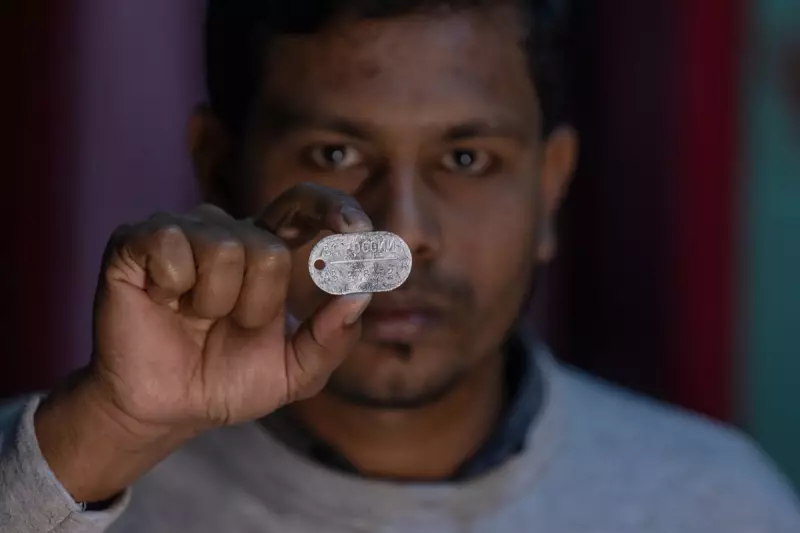
In Lakshmipur, where overseas work sustains many families, relatives cling to documents sent by missing loved ones - Russian visas, military contracts, and army dog tags - hoping they might facilitate their return.
Salma Akdar hasn't heard from her husband Ajgar Hussein since March 26, when he told her he'd been "sold to the Russian army." Hussein had believed he was taking a laundry attendant position. "I don't want money or anything else," Akdar said. "I just want my children's father back."
Escapes and Unanswered Questions
Some men managed to escape after being wounded and hospitalised. Rahman fled a medical centre near Moscow and sought help from the Bangladeshi embassy, which provided travel documents. He later helped his brother-in-law Jehangir Alam escape using the same method.
How many Bangladeshis have been deceived remains unclear. The men interviewed reported seeing hundreds of fellow countrymen alongside Russian forces in Ukraine. A Bangladeshi police investigator suggested approximately forty may have lost their lives in the conflict.
Neither Russian defence and foreign ministries nor the Bangladeshi government responded to questions about these allegations. The documents reviewed - including travel papers, military contracts, and medical reports - corroborate the workers' accounts of their ordeal.