Growing Pressure to Bar Kanye West from UK Entry Ahead of Festival Performance
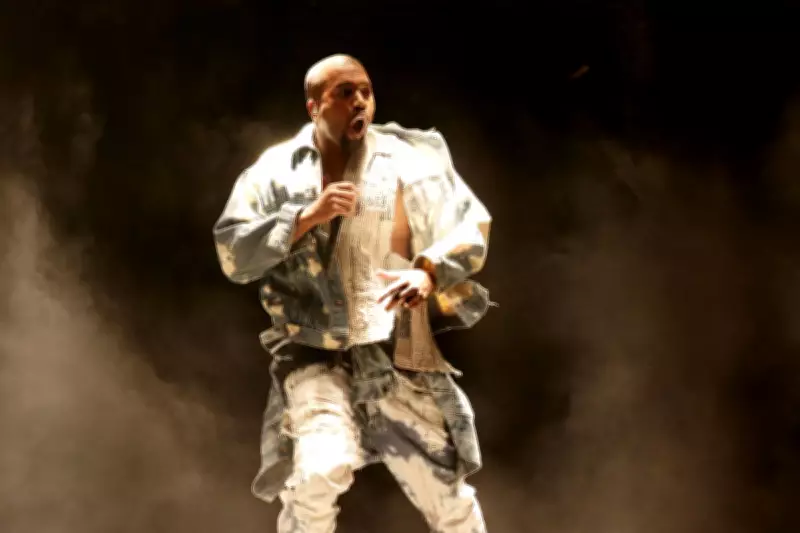
Intensifying demands are being placed upon the government to prohibit controversial rapper Kanye West from entering the United Kingdom to headline the Wireless Festival this summer. This follows widespread condemnation of his repeated antisemitic remarks and expressions of admiration for Adolf Hitler.
Political Figures and Campaigners Demand Action
Home Secretary Shabana Mahmood is facing mounting pressure from multiple political quarters and the Campaign Against Antisemitism (CAA) to exercise her powers under the Immigration Act. They argue that West's presence in the country would not be "conducive to the public good". Shadow home secretary Chris Philp has explicitly urged Ms Mahmood to deny entry, stating West is "guilty of appalling antisemitic and pro-Nazi comments".
Labour leader Sir Keir Starmer has labelled the festival's decision to book West as "deeply concerning". Backbench Labour MP Rachael Maskell has also called for a ban, asserting he "should not be allowed to come to our country to perform" given his recorded comments.

Sponsor Withdrawals and Festival Controversy
The scheduled performance has already triggered significant commercial fallout. Major brands Pepsi and Diageo withdrew their sponsorship of the Wireless Festival following West's announcement as the headline act. Payment partner PayPal will also not appear in future promotional materials for the annual rap and hip-hop event, according to Press Association reports.
Despite these withdrawals, the brands' logos remain prominently displayed on the festival's official website. West, who has not performed in the UK since headlining Glastonbury in 2015, is set to top the bill for all three nights of the festival in London's Finsbury Park this July.
History of Controversial Statements and Actions
West has drawn severe criticism in recent years for a series of inflammatory actions. He has been barred from social media platform X on multiple occasions due to antisemitic content. Last year, he released a song titled "Heil Hitler" and previously advertised a swastika T-shirt for sale on his website.
In a January 2026 full-page advertisement in the Wall Street Journal titled "To Those I've Hurt", West offered an apology, stating "I am not a Nazi or an antisemite" and "I love Jewish people". He attributed his behaviour to a "four-month-long, manic episode of psychotic, paranoid and impulsive behaviour" linked to his bipolar disorder.
Broader Context of Rising Antisemitism Concerns
The controversy unfolds against a backdrop of heightened concerns about antisemitism in the UK. In March, four ambulances from a Jewish community-run service were set on fire in north-west London, with three individuals remanded in custody. An attack on a Manchester synagogue in October last year resulted in two fatalities.
Jewish community organisations have strongly criticised the festival booking. Phil Rosenberg, president of the Board of Deputies of British Jews, called it the "wrong decision" and urged the government to consider barring West from entry. It is understood that the Mayor of London's office previously refused permission for a Kanye West concert at the London Stadium this summer, citing community concerns and potential reputational damage to the city.
Ministers are currently reviewing West's permission to enter the UK. The Home Office has been approached for comment, as has the Wireless Festival organisers. The CAA emphasised in a social media post that the government "can ban anyone from entering the UK who is not a citizen and whose presence would 'not be conducive to the public good'", adding "Surely this is a clear case."