The case of Egyptian-British activist Alaa Abd El-Fattah has ignited a fierce political storm, exposing deep tensions between human rights advocacy and national security. Released from an Egyptian prison in September and recently returned to the UK, El-Fattah now faces demands for his deportation after a series of historic social media posts advocating violence came to light.
A Tale of Two Truths: Incarceration and Inflammatory Rhetoric
Two stark realities define this complex story. Firstly, there is widespread agreement that Alaa Abd El-Fattah did not receive a free and fair trial in Egypt. His prolonged detention, the anguish suffered by his family, and the absence of proper legal process are circumstances no democracy should tolerate. For many, this justified international campaigns for his release.
However, a second, disturbing truth has emerged. El-Fattah's past comments on social media, which include calls for violence against Jews, white people, and police, have been described as "disgusting and abhorrent". Among the posts is one stating, "I consider killing any colonialists and especially Zionists heroic, we need to kill more of them". Another controversially claimed, "There was no genocide against Jews by the Nazis – after all, many Jews are left".
These views were serious enough to see him stripped of a major European human rights award years ago, yet they appear to have been overlooked in the push for his release. The revelation has prompted Conservative leader Kemi Badenoch to call for the government to explore all options, including revoking his British citizenship and removing him from the country.
Political Backlash and a 'Rush to Posture'
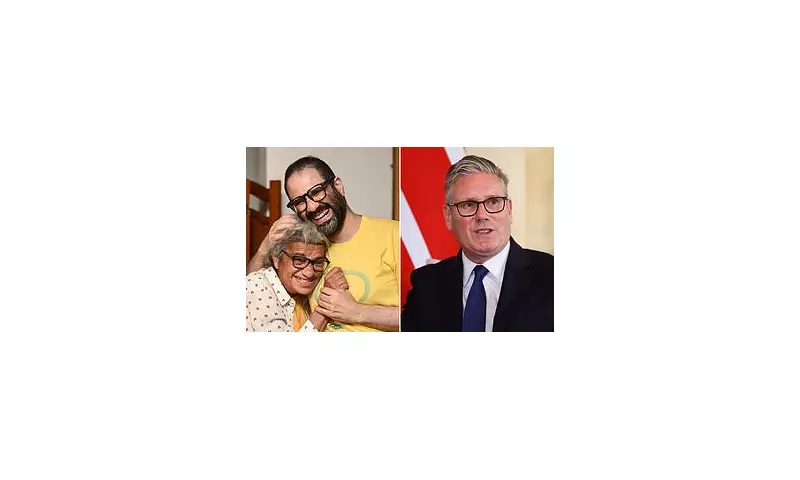
The fallout has been swift and severe, causing significant embarrassment for senior figures who publicly celebrated El-Fattah's return. Prime Minister Sir Keir Starmer initially expressed his "delight" at the activist's release but has since stated he was unaware of the "abhorrent" posts. Home Secretary Yvette Cooper also welcomed his return.
Critics argue this episode highlights a dangerous trend in Westminster, where virtue-signalling can trump due diligence. The narrative suggests that celebrities, Western politicians, and some media outlets helped sanitise El-Fattah's story, presenting him solely as a symbol of democratic resistance while brushing aside his published extremist views. This rush to moral posturing, commentators warn, risks validating narratives of Western unseriousness, particularly in the eyes of Middle Eastern authorities concerned about double standards.
The culture is identified as cross-party, with figures from Reform UK and former Tory MP David Jones having previously advocated for El-Fattah's release in Parliament.
Broader Lessons on Citizenship and Security
The case has sparked a fundamental debate about the value of British citizenship and the rigour of the processes that grant it. The argument is that citizenship must mean subscribing to British values, and that the state has been complacent for too long. There are calls for a much stricter system where social media activity, public statements, and patterns of belief are rigorously assessed against a clear test of whether granting citizenship is conducive to the public good.
Furthermore, the context has shifted irrevocably since the Hamas attacks of 7 October 2023. In a world where antisemitic rhetoric has translated into real-world violence from Manchester to Bondi Beach, calls for violence against Jews can no longer be dismissed as mere loose talk. The case also raises alarming questions about potential ideological sympathies within the Civil Service, where some may view such extremism as contextual or acceptable.
Ultimately, the El-Fattah saga is presented as a cautionary tale. It underscores what happens when the state, stretched thin by trying to do too much, fails to execute core functions—like thorough security vetting—effectively. The lesson for policymakers is clear: rigorous assessment must always precede public celebration, and the integrity of British citizenship must be fiercely protected.