Former HSBC Banker Sentenced for Elaborate Fare-Dodging Fraud
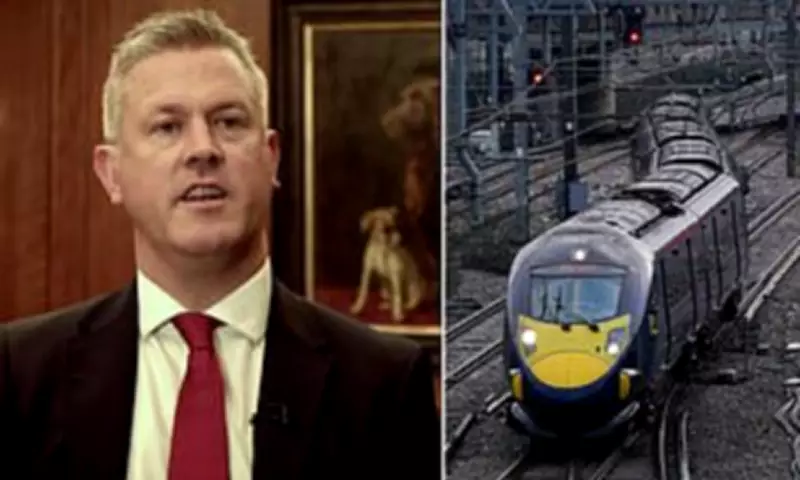
Joseph Molloy, a former high-ranking executive at HSBC Global Asset Management (UK), has been handed a suspended ten-month jail sentence after admitting to a sophisticated fare-dodging scheme. The 53-year-old, who retired last year, commuted from his £2 million home in Orpington to HSBC's Canary Wharf offices via Southeastern Railway, but avoided paying full fares over an estimated 740 journeys.
Intricate Fraud Technique Uncovered
Molloy employed a method known as 'doughnutting', purchasing tickets for the start and end of his trips while skipping payment for intermediate stations. To execute this, he used false names and addresses to acquire two smartcards and fraudulently obtained Jobcentre Plus discounts, securing a 50% reduction he was ineligible for. This elaborate planning saved him a total of £5,911, a sum described as paltry given his wealth and former role as 'Head of Passive Equity'.
Judge Questions Motives Behind the Crime
At Inner London Crown Court, Judge Alexander Stein noted the fraud was 'sophisticated and involved considerable planning', yet expressed bafflement over Molloy's motives. Defence lawyers highlighted Molloy's church involvement, but the judge suggested the crime might stem from a desire to exploit system weaknesses, akin to his professional work in financial strategies. This behaviour echoes past cases, such as Jonathan Burrows, a BlackRock director who dodged fares on the same line years prior.
Psychological Insights into High-Income Fraud
Experts suggest such actions may relate to adrenaline addiction or a thrill-seeking mindset, rather than financial need. A 2008 US study found higher-income individuals shoplift more frequently than lower earners, supporting this theory. Psychologist Stanton Samenow describes it as a quest to 'outsmart the establishment', boosting self-worth through deception.
Broader Implications and Historical Parallels
Molloy's case mirrors other instances of wealthy figures exploiting systems, like Lord Swraj Paul, who claimed improper parliamentary expenses despite his billionaire status. His defence argued no public harm occurred, but since Southeastern Railway is state-owned, taxpayers ultimately bear the cost. Molloy was also banned from Southeastern travel for a year and ordered to pay £5,000 in compensation.
The sentencing underscores ongoing issues with fare evasion and the psychological drivers behind white-collar fraud, raising questions about accountability and morality in high-stakes environments.