Multiple Nations Stage Boycott of Winter Paralympics Opening Ceremony
The opening ceremony of the Winter Paralympics has been met with a significant diplomatic protest, as several nations have announced their decision to boycott the event. This collective action comes in direct response to the International Paralympic Committee's (IPC) controversial ruling that permits Russian and Belarusian athletes to participate under their national flags.
Nations Withdrawing from Ceremonial Events
The IPC has officially confirmed that athletes from Ukraine, Czechia, Estonia, Latvia, Lithuania, Poland, and Finland will all abstain from attending Friday night's opening ceremony. This coordinated boycott represents a powerful statement against the inclusion of Russian and Belarusian competitors, particularly given the ongoing context of Russia's invasion of Ukraine.
The United Kingdom government has also declared its boycott of both the opening and closing ceremonies, demonstrating solidarity with Ukraine. Meanwhile, Germany's team has announced it will not participate in the traditional Parade of Nations, further amplifying the protest.

Historical Context of Russian Paralympic Participation
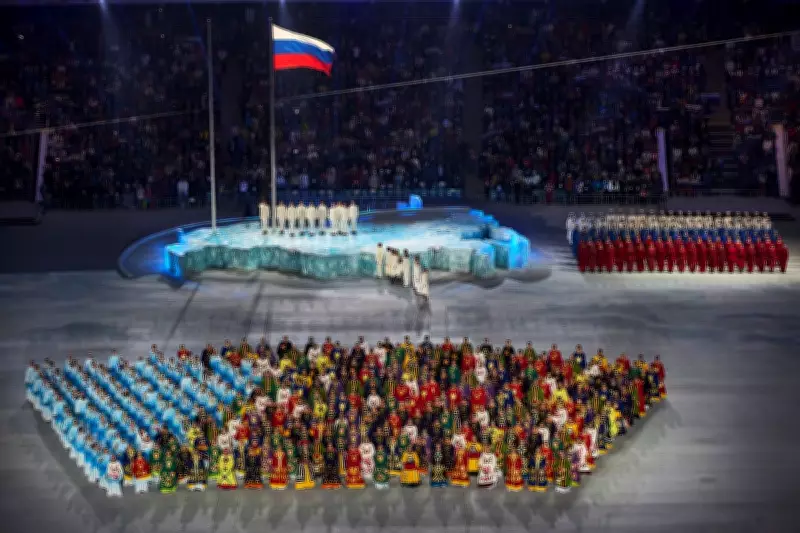
This development marks a significant moment in Paralympic history, as it represents the first time since 2014 that the Russian flag will be flown at the Games. The original sanctions against Russian participation were implemented following revelations of a state-sponsored doping programme. These restrictions were subsequently maintained and reinforced after Russia's invasion of Ukraine in 2022, making the IPC's current decision particularly contentious.
The IPC's confirmation that six Russian and four Belarusian athletes will compete under their own flags has ignited this diplomatic crisis within the Paralympic community. The participating nations' boycott decisions underscore the deep divisions and ongoing geopolitical tensions that continue to impact international sporting events.
This situation highlights the complex intersection of sports, politics, and international relations, with the Paralympic Games becoming yet another arena where global conflicts manifest. The absence of these nations from ceremonial events will undoubtedly cast a shadow over what is traditionally a celebration of athletic achievement and international cooperation.