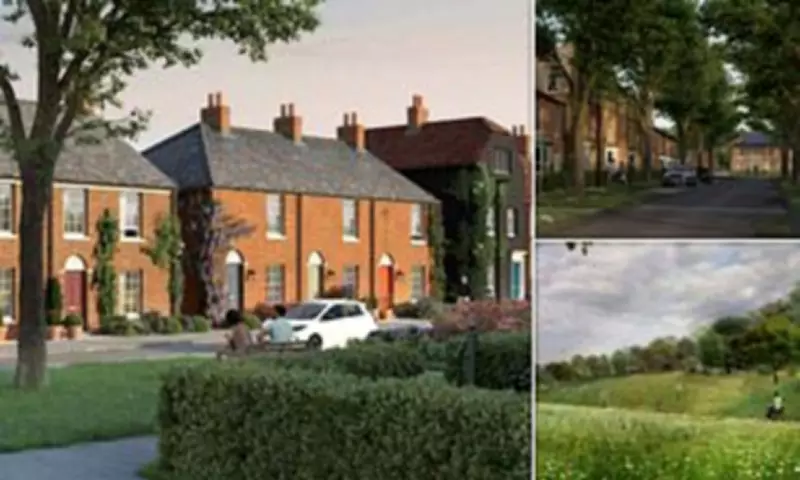
Major Housing Development on Royal Estate Recommended for Approval
Plans for a substantial development of 2,500 homes on the Duchy of Cornwall estate, which provides income for Prince William as the heir to the throne, are poised to receive approval from Swale Borough Council. This comes despite significant opposition from local residents in the market town of Faversham, Kent, who have voiced strong objections through hundreds of letters and public protests.
Details of the South East Faversham Proposal
The proposed development, known as South East Faversham, would be constructed on 340 acres of farmland near Brenley Corner, situated between the M2 and A2 roads. The project is designed to be rolled out over the next two decades and includes not only housing but also shops, a primary school, sports pitches, a healthcare centre, and upgrades to major roads in the area. It would involve building over Faversham Town FC's training ground, though not its main 3G pitch, and would see the existing Faversham Cricket Club pitch bulldozed.
Officers from Swale Borough Council have recommended that councillors approve the scheme, citing a 225-page report that argues the benefits are "substantial and wide-ranging." The report states that the scheme performs well in providing affordable homes, directing development to sustainable locations, and securing well-designed places. While acknowledging significant harm to the area, the documents note this would not "outweigh the benefits, let alone significantly."

Local Opposition and Community Concerns
Residents of Faversham, a town with a population of approximately 20,000, have reacted with scorn to the plans. Hundreds of objection letters have been submitted, and protests have taken place, including a march in February last year where campaigners bore banners with slogans such as "Hedgehogs Not Houses" and "Feed Your People, Not Your Pockets." The group, called Farms, Fields and Fresh Air, marched to the town's community centre, with some wearing King Charles face masks and waving Monopoly money.
Neighbouring parish councils have joined in opposing the development, raising concerns about potential traffic chaos, increased air pollution, and additional pressure on local services like doctors' surgeries. Despite these objections, the Duchy of Cornwall has emphasised its commitment to community involvement and sustainability.
Phased Approval and Development Timeline
If approved as expected, full planning permission will be granted for phase one, which includes the construction of up to 261 homes, a water recycling centre, 29 commercial units, and an access road to the A2. Outline permission will be given for the remainder of the project, subject to future applications as conditions are met. The development has been in the works for years, dating back to when King Charles III was head of the Duchy as Prince of Wales, with consultations beginning in 2018 and an official bid submitted two years ago.
Royal Context and Financial Implications
The Duchy of Cornwall, established in 1337 to provide income for the heir to the throne, is a property portfolio covering nearly 130,000 acres across 20 UK counties. Prince William, as the current steward, holds the title of Duke of Cornwall and receives an annual income from the estate, which was £22.9 million for the 2024-25 financial year. He uses this to support his family, household staff, and charitable work, voluntarily paying income tax on revenue after deducting official expenditures, though he has chosen not to disclose the exact amount paid.
Inheriting the Duchy has made William the biggest private landowner in Britain, with a £1.2 billion holding that includes farms, housing developments, seven castles, woodland, coastlines, and commercial property. The estate claims a Crown exemption from income or corporation tax, but William pays income tax by choice, with his private secretary stating he "pays the highest rate of income tax."

Benefits and Sustainability Claims
Ben Murphy, estates director for the Duchy of Cornwall, has highlighted the project's aims to meet local housing needs sustainably. The development promises a diverse mix of housing, with at least 875 affordable homes, including 437 for social rent, focusing on two- and three-bedroom homes for key workers and private renters. Half of the development will be dedicated to green space, such as woodlands, meadows, parks, and allotments, aiming for a 20% biodiversity net gain.
Sustainability features include renewable energy, EV charging, and a water recycling centre. The Duchy has also committed to contributing millions of pounds to the area through a Section 106 agreement to mitigate impacts on community infrastructure. Murphy expressed optimism that South East Faversham could become a "thriving, sustainable community" with 2,500 new jobs, improved transport links, and facilities for future generations.
Final approval will depend on councillors following officer advice and signing legal agreements securing affordable housing and infrastructure contributions. The Duchy of Cornwall and Swale Borough Council have been contacted for further comment on the ongoing deliberations.