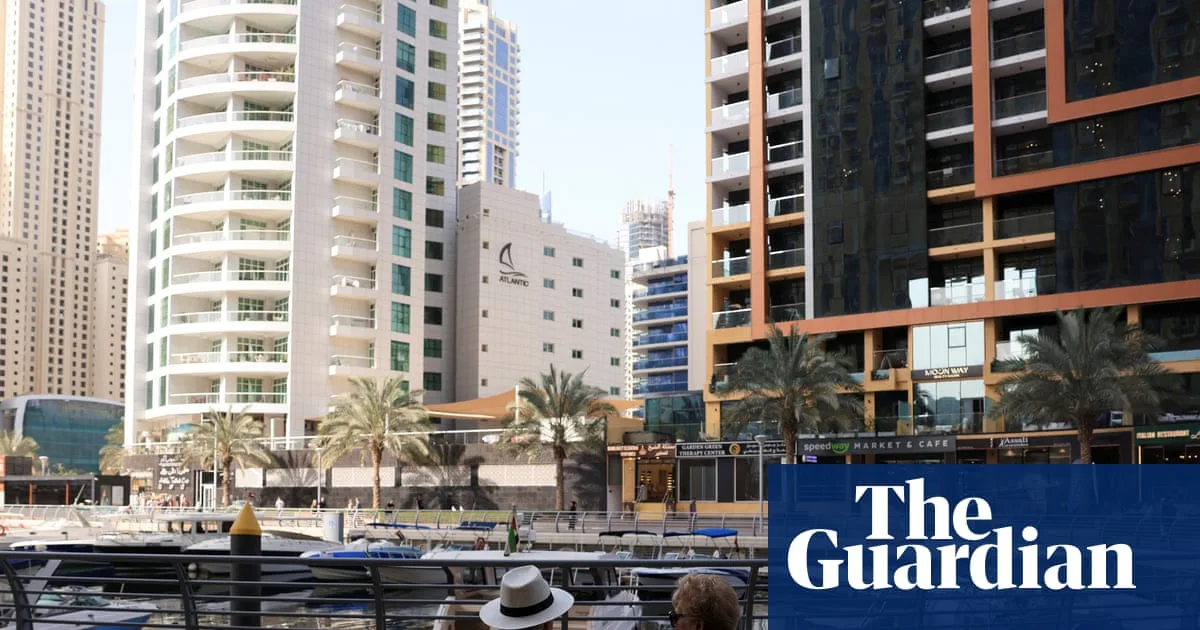
As the UAE reels from falling debris linked to Iranian airstrikes, some British expats in Dubai insist it is business as usual, despite safety concerns and a crackdown on sharing unverified content. At least three expat workers have been killed and 68 injured since Saturday, with a dramatic explosion at the Fairmont hotel adding to the spectacle.
The estimated 250,000 British nationals in Dubai—a mix of fintech entrepreneurs, the super-rich, and professionals—are experiencing both shock and a public relations effort from the ruling family to sustain confidence. On Monday, Sheikh Mohamed bin Zayed al-Nahyan and Dubai's crown prince were seen mingling in a mall, a move one observer likened to French kings eating in public.
One British expat in financial services described a double shock: hearing the impacts and being told to delete a BBC video shared with colleagues, as the UAE warned that sharing unverified content is an imprisonable offence. The internet briefly went down. 'I can imagine some might find that oppressive,' he said, adding that some Brits might be 'reaching for the map for the first time.'

Back in the UK, schadenfreude has been evident. A Daily Mail headline read: 'End of the Dubai dream,' while Liberal Democrat leader Ed Davey suggested that 'tax exiles' in the UAE should pay UK taxes to support armed forces. However, Justin Harper, editor of CEO Middle East, dismissed the drama. 'I don't want to sound blasé but it's business as usual for me,' he said, noting that while his kids are home-schooled, he returned to work on Monday.

Private schools like Repton Dubai have closed until further notice, and many Britons are working from home. Over 100,000 have registered with the Foreign Office. Yet Harper believes the long-term impact will be minimal: 'We will quickly weather the storm.'