French domestic intelligence services and substantial police forces were mobilised over the weekend to repel what was billed as a major British protest operation against small boat migrants crossing the Channel. The authorities implemented comprehensive bans on gatherings between Calais and Dunkirk, threatening immediate arrest and deportation for any British nationals arriving with protest intentions.
Massive Security Operation Deployed
According to senior law enforcement sources, the French response involved not only large squads of Police Nationale officers and gendarmes but also multiple members of the DGSI – France's principal domestic security service that operates similarly to Britain's MI5. Plain-clothes DGSI officers were reportedly deployed in force along the northern coastline, specifically tasked with identifying and monitoring British activists.
Failed Protest Turnout
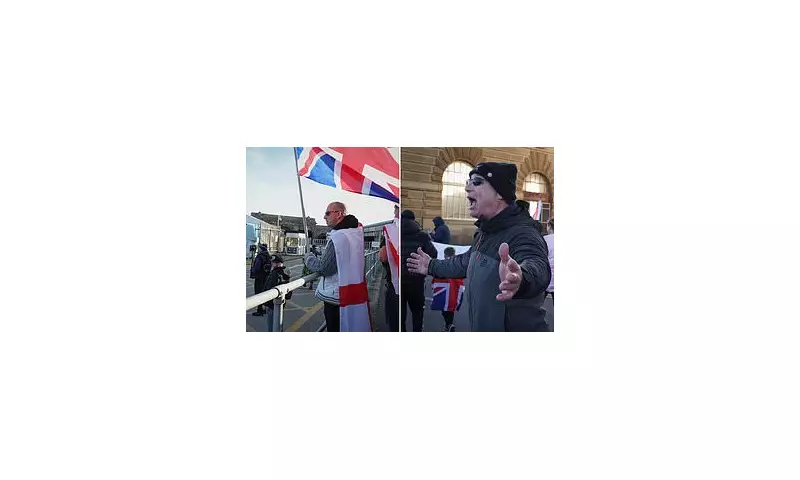
The protest, dubbed 'Operation Overlord' by its organiser Daniel Thomas, had promised to bring over 15,000 British participants to French shores in what was described as a 'D-Day style invasion' to 'stop the boats'. In reality, the event attracted approximately just one dozen participants – representing about one thousandth of the predicted numbers. Rather than engaging in direct action against migrant dinghies or demonstrating at migrant camps, the small group simply gathered on a beach waving Union Jack flags.

Thomas, an ex-convict previously banned from France following incidents of harassment against charity workers last month, appeared to have entered the country via Belgium despite the travel restrictions. His criminal history includes a two-year prison sentence in 2016 for a bungled kidnap attempt in Hampshire, though he presents himself online as a committed Christian and patriot.
Simultaneous Dover Protest
A simultaneous demonstration promoted by Thomas in Dover, Kent, which he claimed would 'bring the port to a standstill', similarly failed to materialise as a significant event. The gathering consisted of a small meeting in a pub followed by a modest march down a road, with participants carrying Union and St George's flags at the docks entrance.
French Authorities Take Firm Stance
French officials issued formal statements emphasising their determination to prevent what they described as 'serious risks to public order'. Prefectures in the Nord and Pas-de-Calais regions specifically prohibited members of groups including Raise the Colours – from which Thomas split just days before the protest – from operating over the weekend.
The French Interior Ministry statement read: 'British nationals belonging to these movements, who are checked by law enforcement, will be returned to the border as quickly as possible.' The authorities characterised the groups as adhering to 'a xenophobic and anti-immigration ideology that creates a clear risk of public disorder.'
Background of Activist Groups
Raise the Colours gained prominence last year through campaigns to display English and British flags across the UK, before shifting focus to sending small groups to northern France. Their activities have included filming themselves shouting abuse at migrants and charity workers, slashing discovered dinghies, and attempting to pose as journalists near sensitive locations including a nuclear power station.
Following aggressive behaviour last week, ten French travel bans were issued against British nationals identified as activists within the movement. Members now face potential criminal prosecution for alleged threats and assaults against those working with migrants, including incidents involving Médecins Sans Frontières staff in December.
Charity and Official Responses
Michaël Neuman, head of MSF's migration unit, welcomed the banning orders, stating: 'We had sent a letter to France's Interior Minister to express our concerns, because we are very aware of the danger posed by these groups. These measures must not be exceptions but must become the norm.'
Local authorities echoed this firm stance, with Alain Boonefaes, deputy mayor of Gravelines near Calais, commenting: 'These men have no right to come and try to enforce order in France. They're British, and they should maintain public order in their own country. They have no right to come and intimidate and threaten anyone.'

Legal Proceedings and Investigations
Dunkirk prosecutors confirmed that multiple complaints about the Raise the Colours movement are under active investigation and could result in criminal prosecutions. A French National Police spokesman noted that numerous complaints have been filed, particularly concerning activities around the beaches of Dunkirk and Calais, with much evidence coming from the activists' own social media posts.
Under French law, the definition of 'violence' extends to verbal insults and other forms of intimidation, potentially strengthening cases against the activists. Most complaints have originated from local charities and human rights groups operating in the region.
Despite the minimal turnout, Thomas claimed online success, stating: 'These patriots made it through. When governments fail to listen, ordinary people step forward.' Meanwhile, French authorities maintained their significant security presence, determined to prevent any escalation of tensions along the Channel coastline.