Minnesota Clinic No-Show Rates Surge Amid Immigration Crackdown Fears
Medical providers across Minnesota are reporting a significant increase in patients missing appointments, with Planned Parenthood clinics experiencing a spike in no-show rates of more than 8% since December. This troubling trend is directly linked to widespread fear among immigrant communities regarding potential arrests by Immigration and Customs Enforcement (ICE) agents near healthcare facilities.
A Climate of Fear Disrupts Essential Care
"There is just a tremendous sense of fear in this moment," stated Ruth Richardson, CEO of Planned Parenthood North Central States. "Everyone is concerned. Our patients are concerned. Our staff is also concerned." The data reveals that those missing appointments are disproportionately individuals seeking family planning services, which include critical care such as contraception, wellness visits, cancer screenings, and testing for sexually transmitted infections.
Another local provider, the Our Justice abortion fund, has seen a sharp decline in requests, with only 82 funding applications this January compared to 131 during the same period last year. Health advocates stress that while abortion is a safe procedure, delaying any form of medical care can lead to unnecessary complications, increased risks, and higher costs for patients.
Healthcare Under Siege
"Our places of healing are under siege," declared Dr. Roli Dwivedi, former president of the Minnesota Academy of Family Physicians, during a January press conference at the state Capitol. "I have been a practicing physician for more than 19 years here in Minnesota, and I have never seen this level of chaos and fear." Physicians shared numerous accounts of patients skipping follow-up appointments or avoiding care entirely due to the palpable threat of detention.
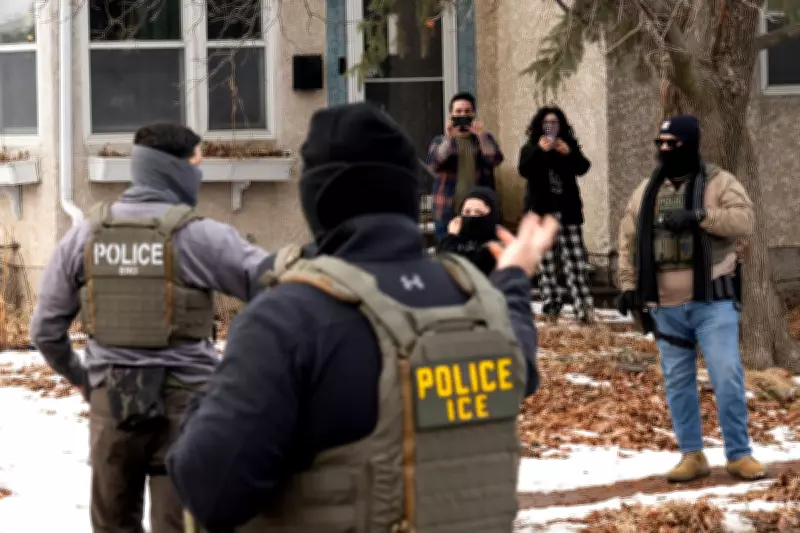
The Trump administration's policy shift, which allows immigration agents to make arrests at sensitive locations like medical facilities, churches, and schools, has exacerbated these fears. This marks a significant departure from a decade-long practice that previously offered some protection in these settings.
Broader Implications for Public Health
The administration's practice of sharing Medicaid data—including addresses and ethnicity—with immigration officials is further deterring individuals from seeking necessary medical attention. "If hospitals tell people that their Emergency Medicaid information will be shared with ICE, it is foreseeable that many immigrants would simply stop getting emergency medical treatment," explained Leonardo Cuello, a research professor at Georgetown University's Center for Children and Families.
Cuello highlighted a critical concern: "Half of the Emergency Medicaid cases are for the delivery of U.S. citizen babies. Do we want these mothers avoiding the hospital when they go into labor?" This policy raises serious public health questions about maternal and infant welfare.
Official Statements and Community Impact
In response to these concerns, Department of Homeland Security Assistant Secretary Tricia McLaughlin asserted, "ICE does not conduct enforcement at hospitals—period. We would only go into a hospital if there were an active danger to public safety." She added that officers may accompany detainees requiring hospital care for monitoring and safety purposes.
However, anecdotal evidence suggests a different reality on the ground. A resident of Portland, Oregon, recounted to NPR how ICE agents arrested a family of Venezuelan asylum seekers in the parking lot of an urgent care facility where their 7-year-old was due to receive treatment for a serious nosebleed. The family was subsequently transferred to a detention center in Texas.
The chilling effect extends beyond healthcare. Thousands of students have avoided attending school during the deportation campaign, and parents have been arrested near educational institutions in at least 10 states. Similarly, individuals are now hesitant to appear at courthouses and other government buildings for previously sanctioned appointments, fearing apprehension.
This confluence of policies and enforcement actions is creating a pervasive atmosphere of dread, fundamentally disrupting access to essential services and compromising the health and safety of vulnerable communities across the region.