Minnesota's Daily Protest Vigil: Defiance at Whipple Federal Building Amid Immigration Raids
In a powerful display of community solidarity, dedicated protesters have maintained a daily vigil for ten consecutive days at the Bishop Henry Whipple Federal Building in Fort Snelling, Minnesota. This persistent demonstration unfolds as immigration enforcement operations continue to sweep through the region, sparking widespread concern and resistance among local residents.
A Site of Turmoil and Historical Significance
The Bishop Henry Whipple Federal Building, named after Minnesota's first Protestant Episcopal bishop who was known for championing minority communities, particularly Native Americans, has become an unexpected epicentre of contemporary political turmoil. Since the commencement of Operation Metro Surge in December, the building has served as a temporary holding facility for individuals apprehended during immigration raids, as well as a location for asylum and deportation proceedings.
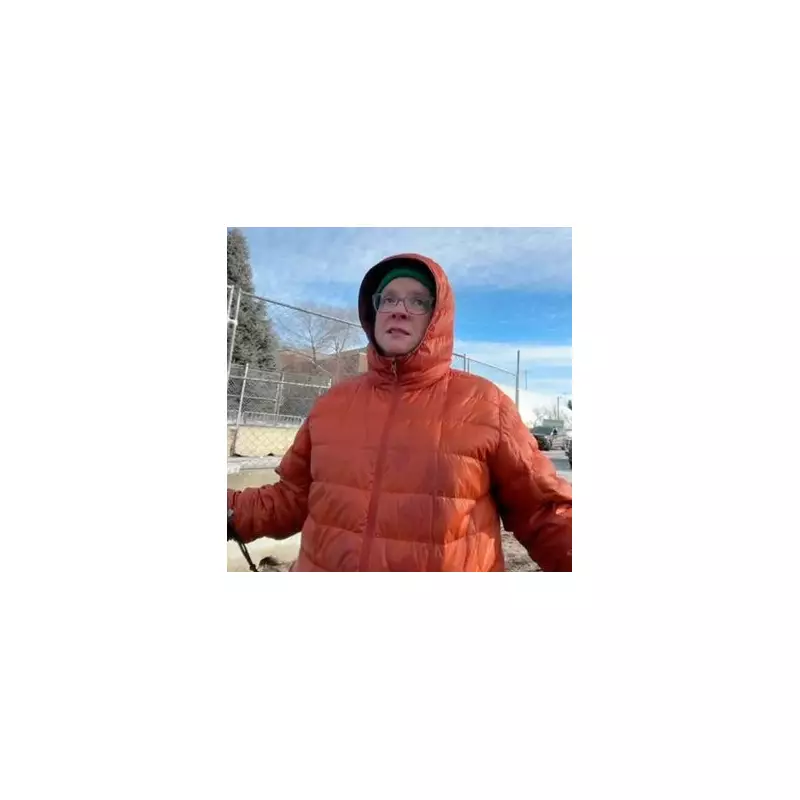
Despite sub-zero temperatures, committed demonstrators arrive each morning armed with placards, whistles, and what they describe as a fierce, sustaining anger. Their presence, they explain, serves as a constant reminder to border patrol agents that their actions are being closely monitored by the community they are affecting. "It is our means of reminding the agents who are causing fear in our city that they are being watched, and we are staying put," one protester articulated.
Community Support and Organised Resistance
The protest has evolved into a highly organised community effort. Volunteers like Harris have established a system to provide practical assistance to individuals released from custody. "If they have been taken from their homes or their workplace, they're often not dressed for this weather. ICE keeps their phone and their wallet and sends them out with nothing. We try to have warm things here to help them," Harris told reporters.
The operation runs like a well-oiled machine: supplies including hand warmers, foot warmers, non-perishable food, and hot water are set up in the morning, restocked in the afternoon, and dismantled in the evening to prevent confiscation by local authorities. "If we leave anything here overnight, the sheriff's department will come and throw it all in the dumpster," Harris added, highlighting the tensions with law enforcement.
A Diverse Coalition of Voices
The protest has attracted a remarkably diverse cross-section of society. Participants range from local residents like Jen, who joins during her lunch break, to individuals who have travelled great distances, such as one man who drove thirteen hours from Denver, Colorado, to express his outrage.
Richard Sembura, a Vietnam War veteran, felt compelled to attend, stating forcefully: "What ICE agents are doing here in Minnesota is not what I fought for. Killing somebody outright, when there's six agents on top of him, and still you shoot him? That's straight murder. Us people of Minnesota, we don't like that kind of action."
John, a four-decade resident of neighbouring St. Paul, offered a perspective on the city's changing demographics with pride: "Our city is now 49% white and 51% minority. I couldn't be more proud of that. Our city council is made up of all women, our mayor is a woman and an immigrant. I couldn't be more proud, and that's coming from an old white guy."
A Message to America
At its core, the protest aims to send a clear message about the strength of opposition in Minnesota to current federal immigration policies. Jennie Whitehouse pleaded: "Please, if I could send one message... it's that this is how the majority feels at this point."
The determination of the protesters is palpable. As one woman wearing a jacket inscribed with 'Granny against ICE' on the back declared: "We're here, we're going to be here. We are not going anywhere." This daily gathering at the Whipple Federal Building stands as a testament to sustained civic engagement and a community's resolve to protect its most vulnerable members amidst a contentious national debate.