
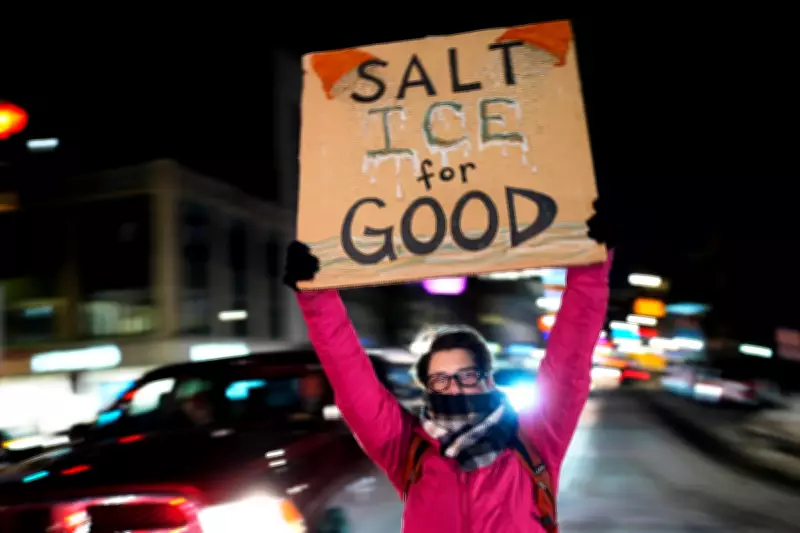
Protesters across the United States are mobilising for a coordinated nationwide strike this Friday, urging citizens to participate in a "no work, no school, no shopping" day of action. The widespread demonstration is a direct response to the Trump administration's intensified immigration enforcement operations in Minneapolis, which have sparked national outrage and calls for resistance.
Escalating Tensions Following Recent Deaths
The call to action gains momentum against a backdrop of recent tragic incidents involving immigration enforcement officers. The death of Alex Pretti, an intensive care nurse who was shot multiple times last week while recording Border Patrol officers during an operation, has fuelled public anger. This incident followed the January 7th fatal shooting of Renee Good, who was killed behind the wheel of her vehicle by a U.S. Immigration and Customs Enforcement (ICE) officer. These events have collectively reignited intense scrutiny over the administration's aggressive tactics and use of force.
Organisers Issue Rallying Cry
"The people of the Twin Cities have shown the way for the whole country – to stop ICE’s reign of terror, we need to SHUT IT DOWN," declared organisers on their official website. This powerful statement underscores the strategic aim of the strike: to economically and socially disrupt normal operations as a form of mass protest against perceived governmental overreach.
Widespread Participation Expected
Anticipation of significant participation is already affecting daily life. Numerous businesses have announced they will close their doors during Friday's planned "blackout," while several schools have preemptively cancelled classes expecting mass absences. Student-led initiatives are also taking shape, with walkouts planned at various educational institutions. Additionally, solidarity gatherings are scheduled to take place in churches, courthouses, and city centres across the nation, indicating a broad-based coalition of support for the strike's objectives.
The planned nationwide action represents a significant escalation in public opposition to current immigration policies, highlighting deep-seated concerns about enforcement methods and their impact on communities.