From Olympic Slopes to Alleged Criminal Empire: The Ryan Wedding Story
The extraordinary journey of Ryan Wedding, a Canadian snowboarder who once represented his country at the highest level of winter sports, has taken a dark and dramatic turn. From competing on the icy courses of the 2002 Winter Olympics in Salt Lake City to being labelled a modern-day Pablo Escobar by US authorities, his life story reads like a crime thriller.
Olympic Dreams and Disappointment
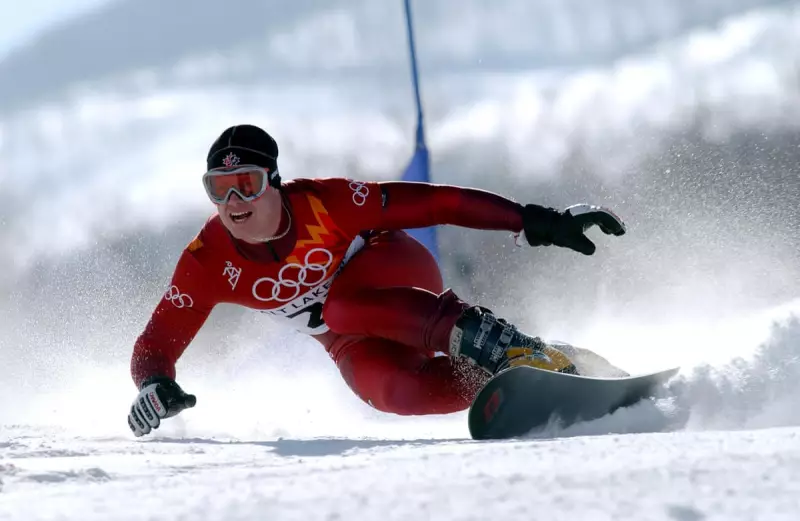
Ryan Wedding's early years in Thunder Bay, Ontario, were steeped in winter sports tradition. His grandparents owned the Mount Baldy ski resort, providing the perfect training ground for a budding athlete. He developed the exceptional skills required for elite snowboarding: mastering carving techniques, perfecting edge control, and maintaining balance at breathtaking speeds. These abilities earned him a place at the 2002 Winter Olympics, where he represented Canada with pride.
However, the Salt Lake City games proved disappointing for Wedding. Facing challenging icy conditions and misjudging crucial turns, he failed to reach the podium. This competitive setback marked a turning point in his life trajectory, steering him away from athletic glory and toward a very different kind of pursuit.
The Alleged Criminal Ascent
According to US law enforcement officials, Wedding channeled his fierce competitive drive into building a massive drug trafficking operation. Prosecutors allege that his enterprise generated approximately $1 billion annually from cocaine sales, with Wedding allegedly ordering violent acts against those who crossed him. His alleged nicknames – "El Jefe", "Giant", and "Public Enemy" – reflect the fearsome reputation he cultivated.
Wedding's post-Olympic life saw him working as a bouncer in Toronto clubs, where he reportedly began adopting the fashion and connections that would later prove significant. His first serious brush with the law came in 2010, when he was convicted of conspiracy to distribute cocaine after attempting to purchase the drug from an undercover agent. The four-year prison sentence that followed proved formative rather than rehabilitative.
Violent Allegations and International Manhunt
Prosecutors claim Wedding used his incarceration to forge crucial relationships within the criminal underworld, expanding his network dramatically upon release. The alleged violence associated with his operation came to international attention with the January murder of Jonathan Acebedo-García in Medellín, Colombia. Acebedo-García, who had reportedly become an FBI informant after meeting Wedding in prison, was shot five times in the back of the head while eating at a restaurant.
Authorities allege Wedding used a Canadian blog called The Dirty Newz to track down his former associate, with the site's owner allegedly accepting payment to post Acebedo-García's photograph with threatening captions. The brazen daylight murder served as a brutal warning to others considering cooperation with law enforcement.
Canadian Connections and Legal Complications
The alleged criminal network extended back to Canada, where several violent incidents have been linked to Wedding's operation. In 2023, gunmen mistakenly attacked a rental home in Caledon, Ontario, killing two recent immigrants and critically injuring their daughter. The following year, another shooting in Brampton, Ontario, claimed the life of Mohammed Zafar over alleged drug debts.
The legal dimension took another dramatic turn when Ontario's law society suspended the licence of lawyer Deepak Balwant Paradkar. The FBI alleges Paradkar, who cultivated a reputation as @Cocaine_lawyer on social media, advised Wedding to have a key witness murdered to secure dismissal of charges against him. Paradkar has been released on bail pending extradition proceedings and maintains his innocence.
Capture and Controversial Comparisons
For years, Wedding reportedly evaded capture by hiding in Mexico under the alleged protection of the Sinaloa cartel. The reward for information leading to his arrest eventually reached $15 million, placing him in the same bounty category as Mexico's most powerful cartel leaders. His recent arrest was announced with considerable fanfare by US officials, with FBI Director Kash Patel declaring him "the modern-day iteration of Pablo Escobar" and comparing him to El Chapo Guzmán.
However, security analysts have expressed scepticism about these dramatic comparisons. Stephen Woodman, a security analyst based in Guadalajara, Mexico, noted that there's "no indication [Wedding] controls territory, nor that he's at the head of an armed militia, nor that he's a major player politically." Woodman suggested the Trump administration's emphasis on Wedding's case represents a "very performative" approach to international drug trafficking, creating a high-profile target to demonstrate enforcement success.
Questions About Scale and Significance
While US authorities claim Wedding's enterprise trafficked 60 tonnes of cocaine annually, this specific figure doesn't appear in the official indictment, which mentions only specific cases involving a few hundred kilos at a time. This discrepancy has led some observers to question whether Wedding's significance has been exaggerated for political purposes, particularly as the administration pressures Mexico to intensify its anti-drug efforts.
The story of Ryan Wedding – from Olympic athlete to alleged international drug lord – continues to unfold, with legal proceedings expected to reveal more about the true scale of his alleged operations. Regardless of the eventual verdict, his dramatic fall from grace serves as a cautionary tale about how exceptional drive and competitive instinct can be dangerously redirected when athletic careers end and new opportunities present themselves.