The House of Representatives has approved a funding bill for the Department of Homeland Security (DHS) by 220-207, with seven Democrats joining Republicans. The vote occurred amid growing outrage over Immigration and Customs Enforcement (ICE) tactics, including the fatal shooting of US citizen Renee Good in Minneapolis.
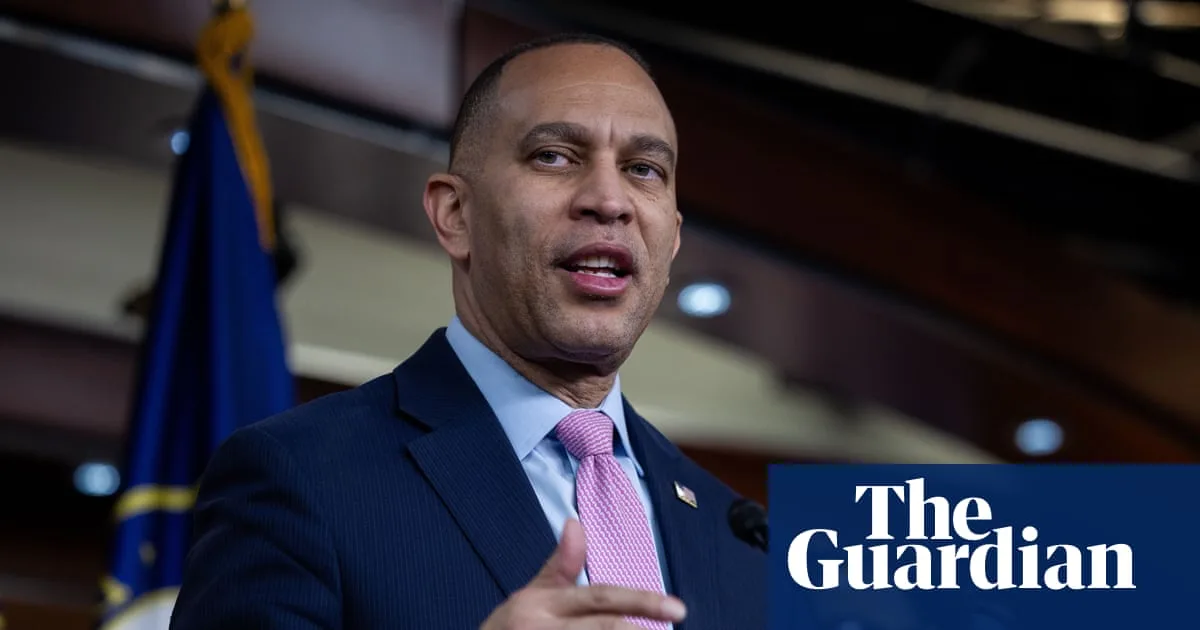
Democratic leaders Hakeem Jeffries, Katherine Clark, and Pete Aguilar condemned the misuse of taxpayer dollars, stating that “extremism must end.” Despite this, the party did not whip against the bill, allowing some members to support it. The legislation keeps ICE's $10bn budget flat, reduces enforcement operations, cuts detention beds by 5,500, and allocates $20m for body cameras on agents.
In a separate vote, the House approved a broader package funding defense, labor, health, education, transport, and housing departments through September 30, with strong bipartisan support (341-88). Speaker Mike Johnson hailed the votes as “another monumental achievement” for the America First agenda.

The bills now move to the Senate, which must act by January 30 to avoid a partial shutdown. Senate Democrats may use the measure to constrain ICE, though some, like Senator Ruben Gallego, have already announced opposition. Others are reluctant to reject funding for defence and domestic agencies.
Representative Rosa DeLauro argued that passing the bill was preferable to a shutdown, noting that TSA, Fema, and the Coast Guard would be affected while ICE continues operating due to separate funding.