Six Lives Lost: The Human Cost of Trump's ICE Immigration Crackdown
The United States Immigration and Customs Enforcement (ICE) agency has faced intense public and political scrutiny following its central role in executing former President Donald Trump's stringent immigration enforcement policies. This crackdown, implemented in major urban centres including Los Angeles, Chicago, and Minneapolis, has resulted in the confirmed deaths of at least six individuals, casting a stark light on the human consequences of aggressive immigration law enforcement.
Recent Fatal Shootings Spark Outrage in Minneapolis
The latest incident occurred in Minneapolis, where intensive care nurse Alex Pretti, aged 37, was fatally shot by ICE agents. Reports indicate Mr. Pretti was shot ten times within a mere five-second interval while participating in a protest against the agency's presence in the city. An unnamed witness reportedly administered CPR at the scene, with accounts noting the victim sustained at least three gunshot wounds to his back.
His parents, Michael and Susan Pretti, have vehemently rejected the official narrative presented by Homeland Security Secretary Kristi Noemi, who asserted agents fired in self-defence after Mr. Pretti reacted violently. "The sickening lies told about our son by the administration are reprehensible and disgusting," they stated. "Alex is clearly not holding a gun when attacked by Trump's murdering and cowardly ICE thugs."
This shooting prompted Minnesota's State Governor, Tim Walz, to demand the immediate withdrawal of ICE agents from Minneapolis, condemning their operations as an "absolute abomination". The tragedy in Minneapolis represents the second fatal shooting by ICE officers in the city during January alone.
A Pattern of Fatal Encounters Across the Nation
Just weeks prior, on January 7, Renee Good was shot three times, including a fatal head wound, by ICE officer Jonathan Ross in Minneapolis. Video evidence reportedly showed Ms. Good turning her vehicle's wheels away from the officer when he opened fire. Despite this, Trump administration officials have consistently defended Officer Ross's actions, claiming his life was endangered.
The death of Renee Good ignited significant controversy across Minnesota. Notably, the US Justice Department declined to share information regarding the shooting with state-level authorities, further complicating efforts for local oversight and accountability.
Other fatal incidents linked to ICE operations include:
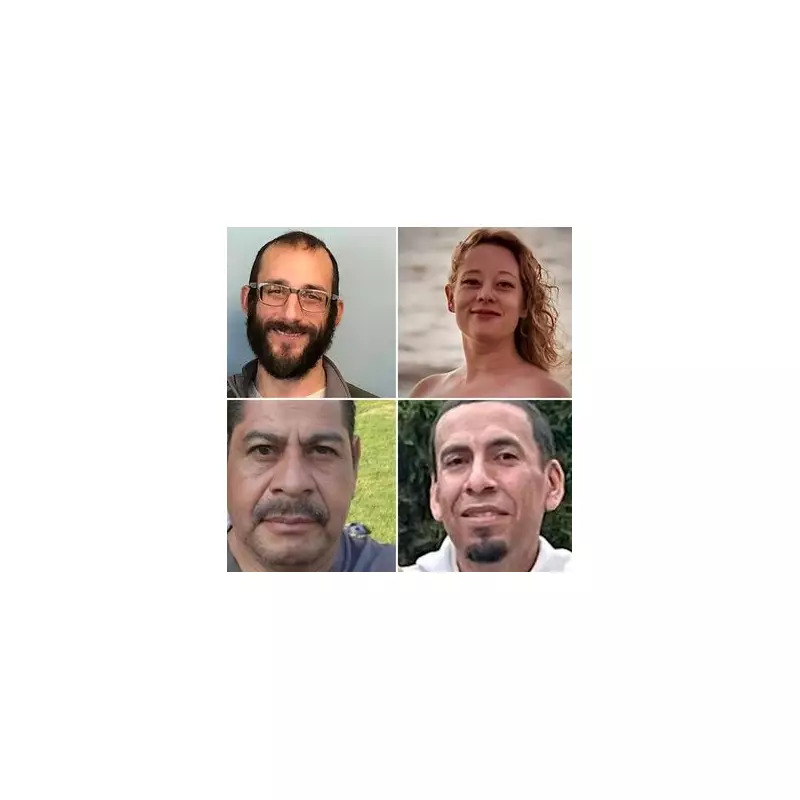
- Silverio Villegas Gonzalez, a 38-year-old line cook from Mexico, was fatally shot during a traffic stop on September 12 in suburban Chicago. Relatives stated he had just dropped a child at daycare that morning. The Department of Homeland Security claimed agents were pursuing an individual with a history of reckless driving who was in the country illegally, alleging Mr. Villegas Gonzalez evaded arrest and dragged an officer with his vehicle. This case remains under investigation.
- Jaime Alanis, a 57-year-old labourer from Mexico, died in hospital two days after falling from the roof of a greenhouse and breaking his neck on July 10. The incident occurred in southern California as authorities were rounding up dozens of farmworkers.
- Roberto Carlos Montoya Valdez, aged 52 from Guatemala, was struck and killed by an SUV on August 14 as he attempted to cross a motorway in southern California. He had been fleeing from immigration officers outside a Home Depot store at the time.
- Josue Castro Rivera, a 24-year-old from Honduras, was fatally struck by a pickup truck on a motorway in Norfolk, Virginia, on October 23. According to his brother, Henry Castro, Mr. Castro Rivera was attempting to escape authorities during a traffic stop while heading to a gardening job with three passengers.
Mounting Scrutiny and Calls for Reform
These six deaths collectively illustrate the perilous outcomes that can arise from high-intensity immigration enforcement actions. The incidents have spurred widespread debate concerning the use of force, operational protocols, and the broader human rights implications of such crackdowns. As investigations into some cases continue, the stories of Alex Pretti, Renee Good, and the others underscore the profound and lasting impact of these policies on families and communities across the United States.