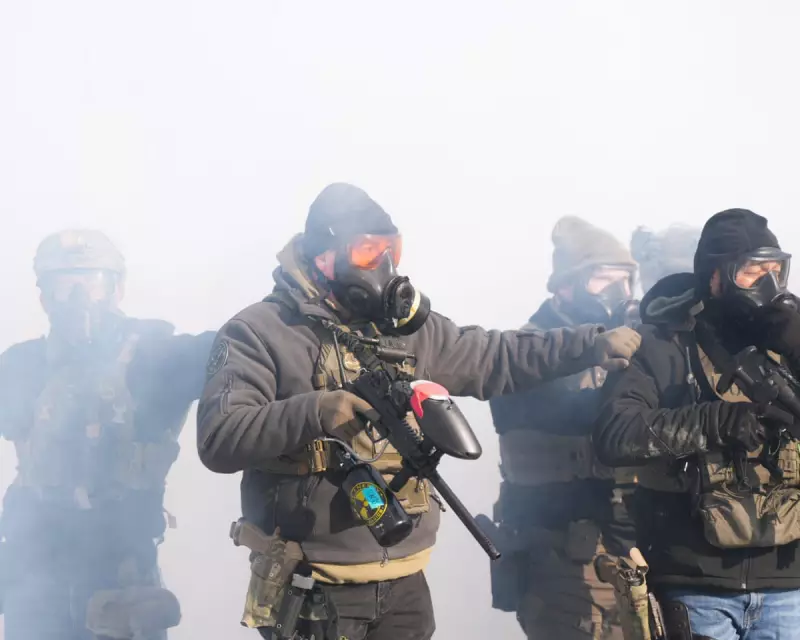
Federal Agents Confront Crowd in Minneapolis After Fatal Shooting by Border Patrol
Federal agents attempted to control a growing crowd in Minneapolis on Saturday following a fatal shooting by a border patrol agent. The incident, captured in photographs by Alex Kormann, has intensified scrutiny over immigration enforcement practices in the United States.
Trump Administration Opposes Expansion of Body Cameras for Immigration Agents
The Trump administration has actively opposed efforts to expand the use of body cameras by Immigration and Customs Enforcement (ICE) officers. Last year, officials urged Congress to cut funding for a pilot program by 75%, slowing its rollout despite a nationwide trend towards adopting such devices in law enforcement.
This move comes as the administration reduced oversight staffing, placing nearly all employees of three internal watchdogs on paid leave in early 2025. These offices are responsible for investigating abuses within immigration agencies, and their diminished capacity has raised concerns about accountability.
Video Footage Challenges Official Narratives of Fatal Shootings
Bystander footage from two fatal shootings in Minneapolis, including the death of ICU nurse Alex Pretti on Saturday, has highlighted the critical role of video in verifying events. Official statements have often portrayed those shot as aggressors, but video evidence has prompted calls for more transparent investigations.
Body cameras have long been advocated as a tool for police reform, yet the Trump administration's actions have hindered their implementation for ICE officers. Darius Reeves, former director of ICE's Baltimore field office, noted that the body-camera program under President Joe Biden was slow and effectively ended under Trump.
Funding and Oversight Cuts Amid Increased Immigration Enforcement
Following a Republican-passed bill providing $170 billion for immigration crackdowns, Trump has ramped up enforcement efforts. However, the administration proposed maintaining only 4,200 body-worn cameras for ICE while cutting staff from 22 to three employees, aiming for a more streamlined approach.
In response, the Republican-controlled House recently passed a homeland security spending bill allocating $20 million for ICE and border patrol cameras, though it does not mandate their use. This bill faces challenges in the Senate, with some Democratic senators threatening to oppose funding unless enforcement is reined in.
Oversight Offices Gutted, Leaving Gaps in Abuse Investigations
The Trump administration's decision to place about 300 workers in DHS oversight offices on paid leave has effectively crippled these agencies. A lawsuit argues this action unlawfully eliminates offices that only Congress can abolish, leaving no mechanism to address complaints of abuse.
For instance, the Office of the Immigration Detention Ombudsman (OIDO) saw its staff drop from over a hundred in March to just a few by December 2025. Complaints received plummeted from thousands in 2023 to hundreds in 2025, underscoring the impact of these cuts.
White House Defends ICE Actions Amid Growing Controversy
White House spokesperson Abigail Jackson stated that ICE officers act heroically to enforce laws and protect communities. However, critics point to incidents like the shootings of Pretti and Renee Nicole Good in January, where top officials quickly labeled the deceased as aggressors without thorough investigations.
As federal agents continue to be deployed to cities nationwide, issues such as officers not bringing body cameras when detailed outside their normal areas add to the complexity. The DHS has not responded to requests for comment on these matters.
This situation highlights ongoing tensions between immigration enforcement, oversight, and accountability in the U.S., with Minneapolis serving as a focal point for broader political and social debates.