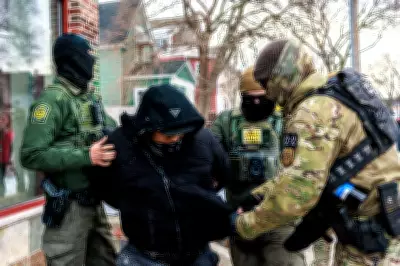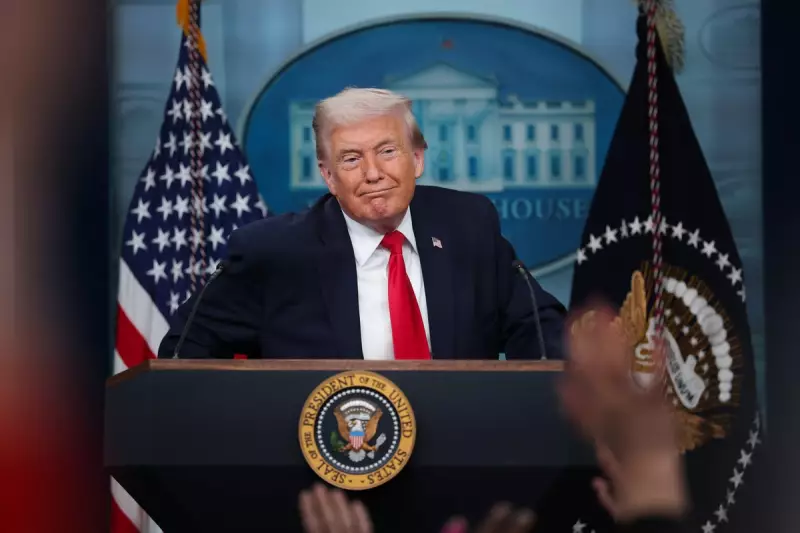
Former US President Donald Trump has publicly addressed the fatal shooting of Renee Good by an Immigration and Customs Enforcement (ICE) officer in Minnesota, stating he "felt horribly" upon learning of the incident. Trump made the remarks during a recent media appearance, where he revealed a personal connection to the case, claiming that Good's father was historically a "tremendous Trump fan."
Trump's Conflicting Statements on the Minnesota Incident
In a notable shift from his previous characterisation of the victim, Trump expressed hope that the father's support remained intact despite the tragedy. This contrasts sharply with earlier comments from Trump, who had described Renee Good as having "behaved horribly" and alleged she "ran him over" in relation to the events leading to the shooting. The former president's latest remarks attempt to frame the situation through a lens of personal regret, while simultaneously reiterating his administration's hardline immigration stance.
Political Fallout and Accusations of Weaponisation
The Department of Justice has escalated its investigation into the aftermath of Good's killing, issuing criminal grand jury subpoenas to Minnesota Governor Tim Walz and Minneapolis Mayor Jacob Frey. Both Democratic officials have accused Trump of "weaponising" the federal justice system to target political opponents, a charge that adds significant political tension to the case. These subpoenas represent a formal legal step that could have substantial implications for all parties involved.
Context of Protests and Immigration Policy
Trump also suggested that "professional agitators" were primarily responsible for the volatile demonstrations that erupted following Good's death and his administration's concurrent mass deportation campaign. This characterisation aligns with his long-standing approach to civil unrest, often attributing organised protests to outside influences rather than grassroots responses to policy or events. The shooting occurred against the backdrop of heightened immigration enforcement actions that defined much of Trump's presidency.
The case continues to develop as legal proceedings advance and political figures on both sides weigh in on its significance. Trump's attempt to express personal regret while maintaining his policy positions creates a complex narrative that reflects broader divisions in American politics regarding immigration enforcement and accountability.