UK Government Blocks Entry of Controversial MAGA Influencer
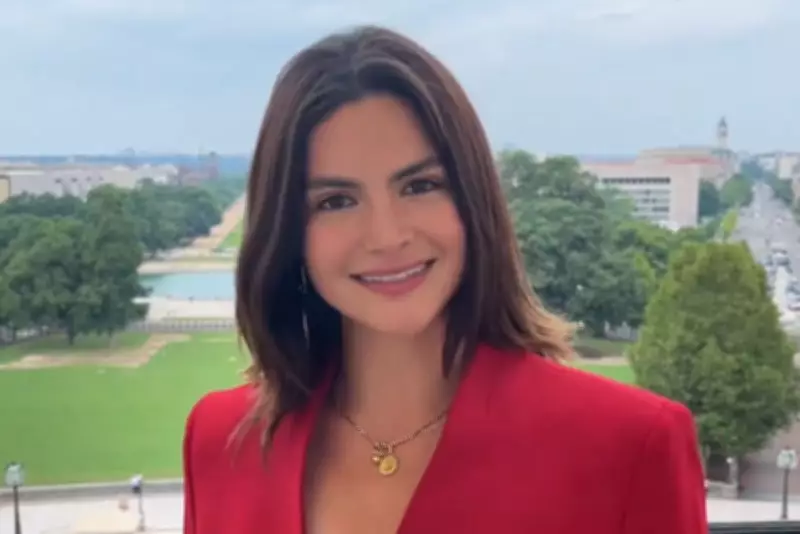
The Home Secretary has officially barred anti-Islam influencer Valentina Gomez from entering the United Kingdom. This decisive action was taken on the grounds that her presence would not be conducive to the public good, mirroring similar reasoning used earlier this month to block rapper Kanye West from entering the country.
Planned Appearance at Far-Right Rally Cancelled
Gomez, a US-based political figure, had previously claimed to have secured a UK electronic travel authorisation (ETA) and was scheduled to speak at a 'Unite the Kingdom' rally in May. This event was organised by the prominent far-right activist Tommy Robinson, known for his anti-Islam stance and previous protests, including leading marches around Chinatown. The government's intervention effectively cancels her planned appearance, preventing what officials deemed a potential threat to social cohesion.
History of Provocative Anti-Islam Stunts
Valentina Gomez gained notoriety through a series of highly provocative anti-Islam stunts during her failed Republican campaign in Missouri. Most notably, she filmed herself burning the Quran with a flamethrower, an act that sparked widespread condemnation and amplified her profile among far-right circles. Her inflammatory rhetoric and actions have positioned her as a polarising figure, drawing both support from MAGA-aligned groups and criticism from advocates for religious tolerance.

Government's Consistent Stance on Exclusion
The Home Office's decision underscores a consistent approach to excluding individuals whose activities are deemed harmful to public order. By invoking the 'public good' clause, the government has demonstrated its willingness to intervene in cases where foreign nationals' presence might incite hatred or violence. This policy aligns with broader efforts to maintain community harmony and prevent the escalation of sectarian tensions within the UK.
Impact on Far-Right Mobilisation
The ban on Gomez is likely to disrupt far-right mobilisation efforts in the UK, particularly around events orchestrated by figures like Tommy Robinson. It sends a clear message that the government will not tolerate entry for individuals promoting divisive ideologies. However, it may also galvanise supporters, potentially leading to increased online activism or alternative methods of spreading their message without physical presence.
This development highlights the ongoing challenges authorities face in balancing free speech with public safety, especially in an era where social media amplifies extremist views. The Home Secretary's action reflects a proactive stance in safeguarding national interests against external influences that threaten social stability.