Stricter UK Entry Rules for Dual Nationals Trigger Widespread Anger
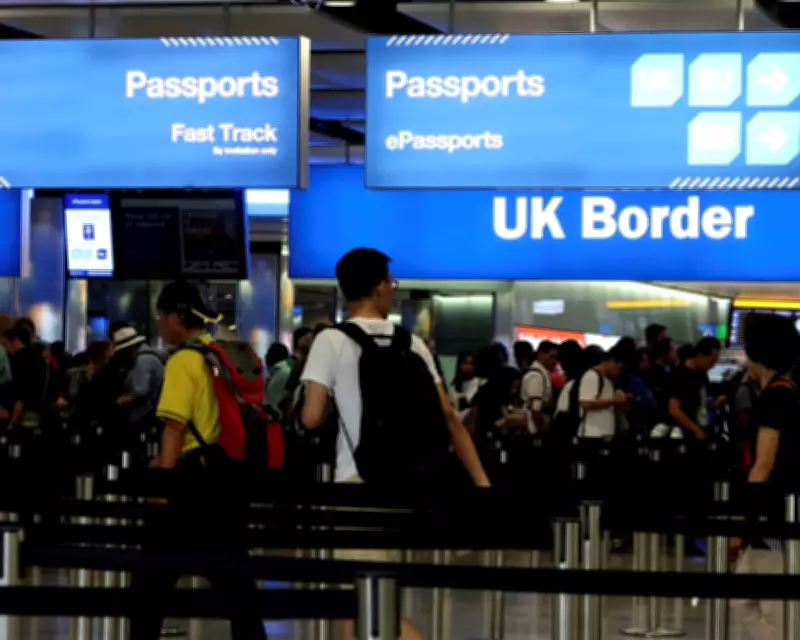
British dual nationals will be required to present a British passport or a certificate of entitlement to enter the United Kingdom from 25 February, a move that has ignited significant controversy and distress among those living abroad. The new regulations, which apply to all dual citizens regardless of their other nationality, mandate that individuals must provide one of these documents when travelling to the UK on a non-British passport. Failure to comply could result in denied boarding on flights, ferries, or trains, affecting up to 1.2 million people who have relocated overseas.
Readers Voice Scandal and Unacceptability Over New Requirements
Guardian readers have shared their stories, with many describing the rules as scandalous and unacceptable. Some have indicated they may cease visiting the UK or even renounce their British citizenship due to the stricter requirements. The changes have caught numerous individuals by surprise, particularly those who have not held a British passport for years and now face bureaucratic hurdles and high costs.
Personal Accounts Highlight Bureaucratic and Financial Burdens
Sandra, 78, a former civil servant residing in Australia for five decades, expressed disgust at the mountain of paperwork required to prove her British status. She has been instructed to apply as a first-time passport holder since her last British passport expired in the 1980s, needing documents like her long birth certificate and full marriage certificate, which her deceased ex-husband retained. I’m 78 and all this bullshit for one last trip home is ridiculous, she stated, noting that passport offices are inundated with applications.
John, a UK-born individual living in France since 2004, voiced fury over the cost of obtaining a certificate of entitlement, priced at £589 per person. With his daughter also a dual citizen but lacking a British passport, he faces a total fee of £1,178 for family visits. I am not paying £1,178 to the UK government for us to visit family, he said, adding that renouncing British citizenship seems the only viable solution.
Jacqueline Ossig, 79, a long-term resident of Germany, feels shut out of her own country. She planned a final trip to London but now must pay £589 for the privilege, while her German husband enters freely. This is insulting, scandalous and unacceptable. So much for British fairness, she remarked, highlighting her inability to vote as an additional grievance.
Logistical Challenges and Discriminatory Concerns
Margaret, based in France, found the red tape insurmountable when attempting to renew her expired British passport, involving costly translations and travel to Paris. The digital certificate of entitlement, with its €677 fee, requires biometric appointments in distant cities like Paris or Marseille, leading her to abandon travel plans. I will therefore not be applying and have decided not to travel back to the UK again, she concluded.
Rachel, an elderly woman in the UK, fears her son and grandson from Australia may miss their Easter visit due to passport issues. Her son's passport has lapsed, and her grandson faces delays in a new application. We cherish their annual visits to the UK, she said, underscoring the emotional toll on families separated by these rules.
Home Office Response and International Context
A Home Office spokesperson clarified that from 25 February 2026, all dual British citizens must present a valid British passport or certificate of entitlement to verify their citizenship, preventing delays or refused boarding. The spokesperson noted that this approach aligns with practices in countries such as the United States, Canada, and Australia. However, campaigners argue the rules are discriminatory, particularly against women who may face greater obstacles in obtaining documents.
The implementation of these regulations continues to spark debate, with many dual nationals feeling betrayed by a system they perceive as unfair and exclusionary. As the deadline approaches, the impact on travel, family connections, and national identity remains a pressing concern for those affected.