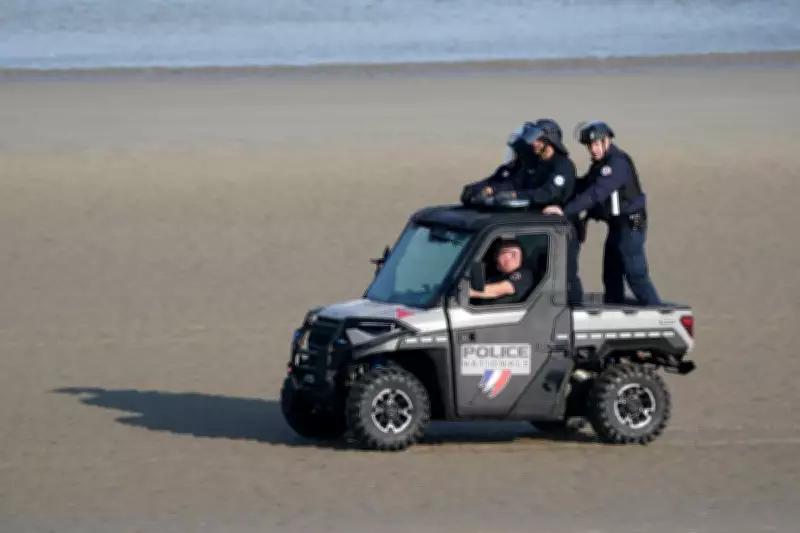
In a last-minute move to prevent a lapse in border security cooperation, Home Secretary Shabana Mahmood has signed a critical two-month extension to the existing UK-France beach patrol agreement. The deal, worth nearly £500 million, was set to expire at midnight on Wednesday morning, but has been temporarily prolonged while both nations continue intense negotiations for a renewed arrangement.
Funding and Operational Details
The extension ensures that operational contracts will be funded by £16.2 million in UK financing, which will be incorporated into any new agreement, according to the Home Office. A spokesperson emphasised that Mahmood is "driving a hard bargain with the French to deliver the best deal for the British people to prevent illegal migrants crossing the channel. Essentially getting more bang for our buck."
Background and Rising Crossings
Originally announced in 2023 under the previous Conservative government, the £478 million package was designed to fund a new detention centre in France and deploy hundreds of additional law enforcement officers along French shores. Despite these measures, small boat crossings have surged in subsequent years, with approximately 41,472 individuals arriving in the UK via this route in 2025 alone. Mahmood faces mounting pressure to significantly reduce these numbers.

Performance-Related Clauses and French Concerns
Reports indicate that the Home Secretary has been advocating for the inclusion of performance-related clauses in the new arrangement, which would tie funding directly to the proportion of boats intercepted by French authorities. However, this proposal has drawn criticism from Xavier Ducept, France's junior minister for the sea, who warned that such conditions could endanger the lives of asylum seekers and security personnel. Ducept stated, "Rescue comes first. And the law," highlighting the tension between efficiency and humanitarian considerations.
Political Reactions and Broader Implications
Conservative leader Kemi Badenoch criticised the government's handling of the small boats crisis, asserting that their plans are ineffective and calling for honesty about the challenges. She argued that leaving the European Convention on Human Rights (ECHR) is essential to resolving the issue, pledging that the Conservative Party would present a borders plan including ECHR withdrawal and immigration tribunal reforms at the next election.
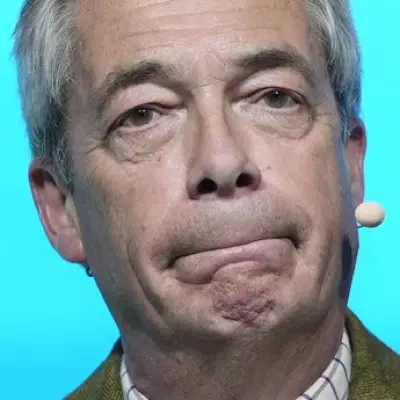
Reform UK leader Nigel Farage echoed this sentiment, claiming that the UK must exit the ECHR to effectively stop Channel crossings. He noted that pull factors remain strong, with a high likelihood of migrants staying in the UK after illegal crossings. Farage also mentioned discussions with French politician Jordan Bardella about potential Royal Navy interventions to tow boats back to France, though he stressed that such measures are unfeasible under current ECHR constraints.
Current Statistics and Future Outlook
So far this year, 4,441 people have arrived in the UK on small boats, underscoring the ongoing urgency of the situation. As negotiations between the UK and France proceed, the focus remains on balancing border security with legal and humanitarian obligations, amid fierce political debate over the best path forward to manage illegal migration across the Channel.