Louisiana Mother's Tragic Discovery Sparks Legislative Battle for Autopsy Transparency
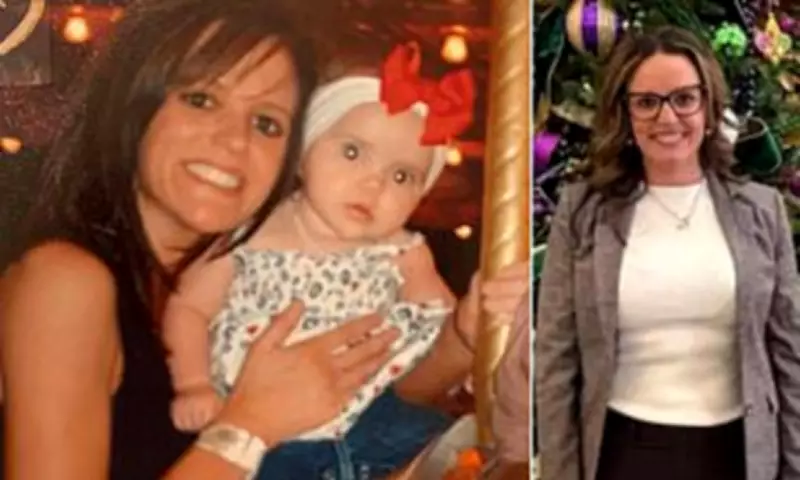
In a heartbreaking case that has exposed significant gaps in forensic procedures, a Louisiana mother is campaigning for legislative reform after discovering her deceased toddler was buried without her heart. Krystal Romero's two-year-old daughter, Gracey Claire Rushing, died unexpectedly in 2009, triggering a chain of events that would haunt the family for years.
A Mother's Unimaginable Ordeal
Following Gracey's sudden passing, an initial autopsy was conducted, but no definitive cause of death was ever established, according to reports from KLFY10. The toddler was subsequently buried, but nearly two months later, authorities ordered a second autopsy, which took approximately ten months to complete. The results were devastating: Gracey had been interred without all her internal organs, specifically missing her heart.
'I had gone back to the coroner's office and repeated what the funeral home had told me, and it was basically like "I don't know what to tell you." And it was dismissed,' Romero recounted to the outlet. At the time, she was just twenty-three years old, thrust into a nightmare of bureaucratic indifference.

What ensued was what Romero describes as 'eight years of unanswered questions.' The distressed mother contacted multiple coroner offices, funeral homes, and pathologists, only to encounter a frustrating cycle of blame-shifting, with each party pointing fingers at the others.
The Shocking Discovery and Multiple Burials
In the summer of 2017, Gracey's heart was finally located at a nearby coroner's office—the very same office Romero had been persistently contacting for years. This discovery led to a third burial for the child, adding to the family's trauma.
'Three burials. One daughter,' Romero poignantly wrote on Facebook. Gracey was laid to rest on three separate occasions: in September 2009, May 2010, and August 2017. Unlike other parents who celebrate their children's milestones, Romero says she has been denied that normalcy, but she is determined to 'turn her pain into purpose.'
The Gracey Claire Rushing Act: A Push for Accountability
Romero is now the driving force behind House Bill 454, known as the Gracey Claire Rushing Act, authored by Representative Rhonda Butler. The proposed legislation aims to establish a mandatory chain of custody protocol for the handling, examination, and return of human remains and internal organs during autopsies and forensic investigations in Louisiana.
'Putting a bill in place [will] hopefully prevent any other parents or any family from having to go through what I did,' she told the outlet. The bill seeks to ensure transparency and accountability by requiring coroners, pathologists, and funeral homes to sign a chain-of-custody document verifying that a body is received with all major organs intact.
Under the proposed law, funeral homes would be obligated to notify all relevant parties if the document is not properly completed. 'It should be documented, and if it's not, the funeral home would notify the coroner and the pathologist and keep a record of what happened,' Romero explained.
Opposition and the Path Forward
Despite the bill's noble intentions, it faces opposition from some medical professionals. Critics argue that the legislation is unnecessary and would impose additional burdens on practitioners who already adhere to established procedures. State coroners and pathologists have warned that the new rules could inundate them with paperwork and create more problems than solutions, insisting that existing standards adequately protect families.
Currently, in Louisiana, coroners, pathologists, and funeral homes are not required to track organ transfers, with each entity operating under its own set of rules. This lack of standardized protocol leaves families without a reliable means to confirm that their loved ones were buried whole.

Romero's bill is now headed for committee review. If approved, it will advance to a House vote before proceeding to the Senate. 'I am no longer that 23-year-old girl they could dismiss. I will keep fighting for Gracey Claire and for every family that comes after her,' she declared, demonstrating her unwavering resolve to effect change and prevent similar tragedies.