NHS Tribunal Rules on 'Auntie' as Harassment in Workplace Dispute
An employment tribunal has recently delivered a verdict that highlights the intricate tensions between cultural traditions and professional conduct in modern British workplaces. The case involved NHS co-workers Ilda Esteves and Charles Oppong, where Oppong repeatedly referred to Esteves as "auntie," a term he defended as a sign of respect rooted in his Ghanaian heritage. However, Esteves, aged 61, explicitly asked him to stop, leading the tribunal to rule in her favour, awarding her £1,425 in compensation for harassment.
Cultural Clashes in Shared Spaces
The dispute underscores how behaviours learned in familial or cultural contexts can clash with expectations in shared environments like workplaces. Oppong argued that "auntie" is an honorific for older women in Ghanaian culture, but Esteves perceived it as inappropriate and undermining. The tribunal also noted that Oppong suggested an older colleague would be a "good match" for Esteves, further illustrating over-familiarity that crossed professional boundaries.
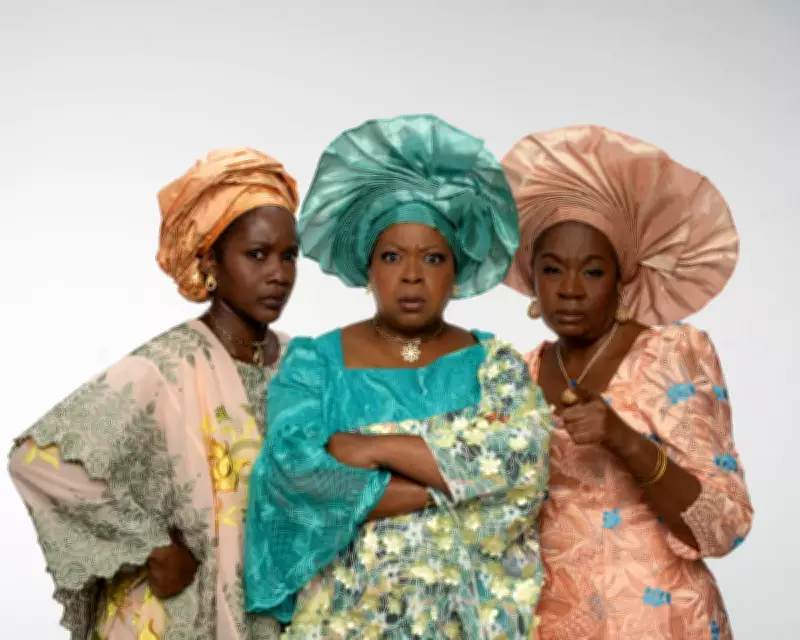
This case reveals the broader challenges faced by individuals with multiple cultural identities in Britain. For many from West African, Caribbean, and South Asian backgrounds, terms like "auntie" and "uncle" are deeply ingrained as marks of respect and authority. For instance, the charity DKMS UK launched the "Listen to your Aunties!" campaign to leverage this cultural authority in promoting stem cell donor registration among Black and South Asian communities.

Ageing and Misogyny in Western Contexts
In British society, where age hierarchies are often flattened, the term "auntie" can carry negative connotations. It may be interpreted as an attempt to marginalise or belittle older women, reflecting broader issues of ageism and misogyny. Many older women feel pressured to conceal their age, viewing it as a source of shame rather than pride. This contrasts sharply with cultures that valorise ageing as a symbol of wisdom and experience.
The author, Lola Okolosie, shares personal insights into this cultural divide. As a middle-aged woman, she notes that disclosing her age often elicits responses like "You don't look it," highlighting a western discomfort with ageing. She argues that belonging to multiple cultural identities allows for a critical perspective on these assumptions, advocating for pride in ageing rather than regret.
Respect and Personal Boundaries
Ultimately, the tribunal's ruling emphasises a fundamental principle: respecting an individual's wishes regarding how they are addressed is paramount. Persisting with a term after it has been rejected cannot be justified as cultural respect. This case serves as a reminder that while cultural traditions hold value, they must adapt to respect personal boundaries in diverse settings like the NHS.
The debate over "auntie" thus extends beyond a single workplace incident, touching on themes of identity, ageing, and inclusivity in Britain's multicultural landscape. It challenges us to navigate cultural differences with sensitivity while upholding dignity and respect for all individuals.