Parish Magazine Forced to Apologise After Poems Spark Outrage
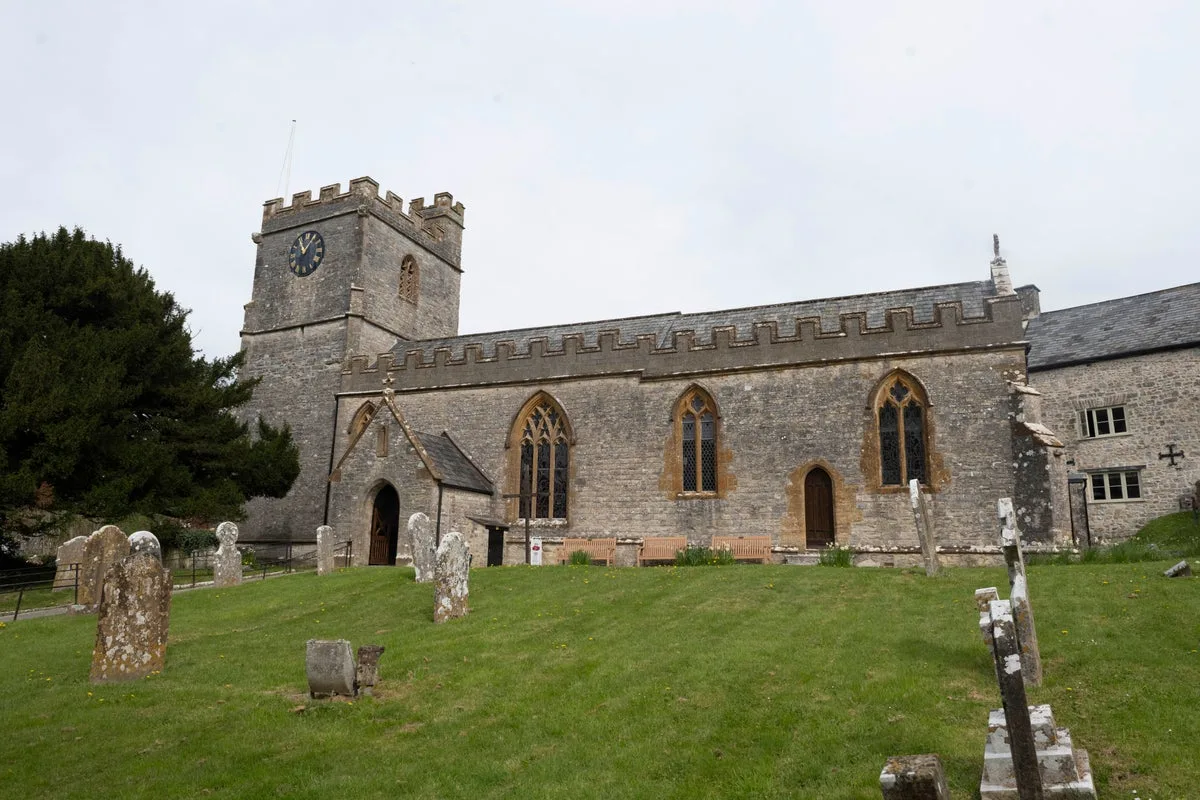
A parish church magazine has been compelled to issue a formal apology after a contributing poet provoked intense controversy with verses targeting illegal immigrants, benefit claimants, and drug addicts. The Uplyme Parish News, a monthly free publication serving a village of 1,700 residents on the Devon-Dorset border, found itself at the centre of a heated community dispute.
From Whimsy to Political Firestorm
For years, the poems of Diana Hunt had been a regular and largely uncontroversial feature in the magazine, nestled between updates from the horticultural society and news from the bellringers of St Peter and St Paul Church. Her work typically offered whimsical reflections on local affairs, drawing little attention from the readership.
However, this changed dramatically when Ms Hunt unexpectedly pivoted to fiery political discourse. In the March edition, churchgoers were confronted by a poem titled 'Know It All', which took direct aim at several sensitive topics.
The verses criticised illegal migrants, benefits cheats, and overweight individuals who claim they cannot afford food. One line read: 'Then the great big fat ones who say they can't afford to eat, many could live quite easily on their body fat for weeks.' Another stated: 'Boat loads of illegals who are flocking to our land, possibly one woman to every 10 of man.'
Escalating Controversy with 'Broken Britain'
Emboldened by her new subject matter, Ms Hunt followed this with a second poem called 'Broken Britain' in the April edition. This piece continued the theme, referencing drug dealers operating openly on high streets and illegal immigrants receiving hotel accommodations and benefits.
It included the lines: 'Boat loads of illegals flooding to our shores, step this way for hotel rooms and benefits galore.' and 'What about the people already sleeping on our streets, not for them the promises of warm beds with clean white sheets.'
Immediate Backlash and Editorial Response
The reaction from readers was swift and severe. Robin Hodges, who has edited the Uplyme Parish News for 25 years, received multiple complaints, prompting a crisis response. He quickly apologised, acknowledging that the subject matter was inappropriate for a church magazine and promising to publish a formal statement addressing the controversy in the May edition.
Mr Hodges removed the offending editions from the church website and vowed to cease publishing Ms Hunt's poems immediately. Despite these actions, he insisted he was not engaging in censorship.
'It was a lapse of judgement on my part which I regret,' he stated. 'I have been in contact with Diana via email and she was really sad that people took it the wrong way. Maybe it was not the right thing to go into a church magazine, I take full responsibility for it and I don't blame her at all. It is not censorship, she was just sad that people took it the way that they did.'
Community Division Over the Poems
It is understood that Ms Hunt intended the poems as 'a bit of fun' and meant them to be tongue-in-cheek rather than a reflection of her personal opinions. However, this did not placate offended residents.
David Michael, one of the complainants, argued: 'There is no place in a Christian parish magazine for the sentiments expressed in the poem. People are indeed entitled to their own opinions and mine are that uncharitable poetry and sentiments don't have a place in a parish magazine.'
Another resident, Martin Satherley, commented online: 'Whether you agree with the author of the poem or not it's not something I personally would expect in a parish magazine. I guess it's not really the place to discuss highly controversial opinions.'
Conversely, some community members defended Ms Hunt on social media. Lee Saunders wrote: 'Actively demonising and persecuting a member of your very small community…you should be ashamed of yourself.' Matt Harrington remarked that the 'Broken Britain' poem 'sounds pretty true to me', while Paul Reader speculated: 'Woke complained?'
The incident has highlighted deep divisions within the village, raising questions about the boundaries of free expression in community publications and the role of church magazines in addressing politically charged topics.