

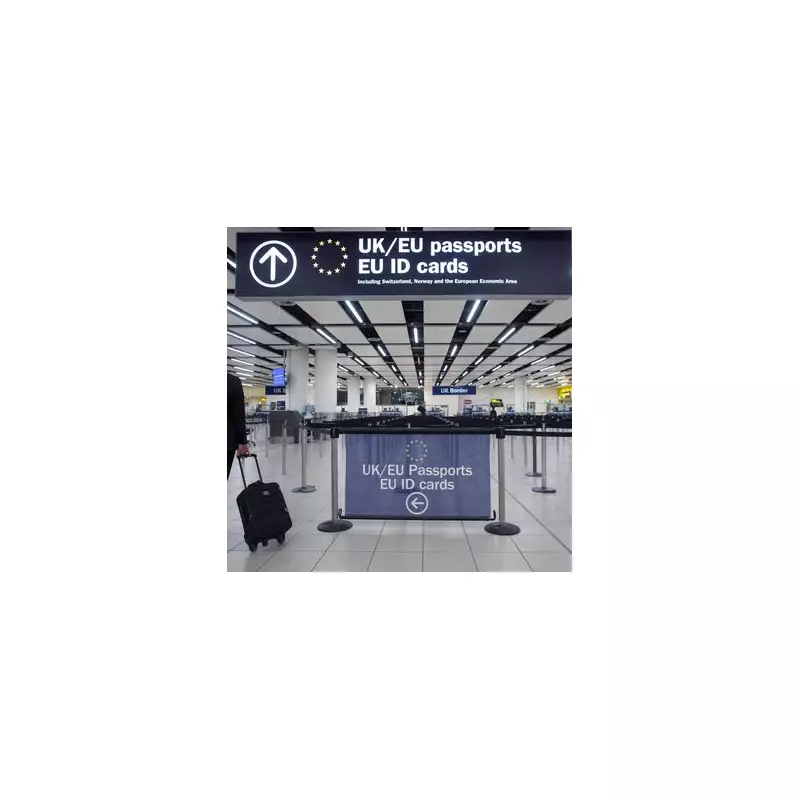
The new chair of Britain's equality watchdog has issued a stark warning that the 'demonisation of migrants' in public discourse is causing significant harm, not only to new arrivals but also to established ethnic minority communities across the United Kingdom.
A Warning on Rhetoric and Rights
Mary-Ann Stephenson, who became chairwoman of the Equality and Human Rights Commission (EHRC) at the start of December 2025, stated that creating a narrative where migration poses huge risks to the country makes life 'very, very difficult' for both migrants and UK citizens from minority backgrounds. Her intervention comes amid intense political debate over human rights law and immigration policy.
Stephenson also argued it would be a serious mistake for the UK to withdraw from the European Convention on Human Rights (ECHR). She described the international treaty, embedded in UK law via the Human Rights Act, as 'really important' and said leaving would weaken fundamental protections for everyone.

The Political Battle Over the ECHR
The Convention has faced sustained criticism from some right-wing politicians who argue it obstructs the deportation of illegal migrants. Both the Conservative Party and Reform UK have pledged to quit the ECHR as part of their strategies to tackle immigration.
In contrast, the current Labour government has stated it will not leave the treaty. However, ministers are reviewing human rights law, with potential changes to Article 3 (prohibition on torture) and Article 8 (right to family life), to streamline the asylum system and facilitate removals.
Stephenson countered that the ECHR provides essential rights that 'protect all of us'. She cited landmark UK cases, such as the Supreme Court ruling on police liability in the John Worboys serial rape investigation and a case preventing the separation of an elderly couple due to care needs, as examples of the convention's vital domestic role.
Call for Honesty in Human Rights Debate
The EHRC chair highlighted a 'real risk' of misleading public debate, pointing to research from the University of Oxford published earlier in 2025. The study identified several high-profile examples of inaccurate media coverage, including the widely misreported 'chicken nuggets' deportation case.
'I think it's really important that we have honesty in the way that we talk about human rights,' Stephenson emphasised, urging a more nuanced and factual public conversation.
Her warning echoes sentiments expressed last month by campaign groups for victims of the Grenfell Tower fire, Hillsborough, the infected blood scandal, Windrush, and Covid-19 bereavement. In a powerful letter, they branded the ECHR 'more vital than ever' in their fights for truth and justice against state failures.
The collective wrote that the convention did not guarantee justice but provided the crucial possibility of it, serving as a 'safeguard against silence' for ordinary citizens confronting powerful institutions.






