Federal Judge Issues Landmark Ruling Against Trump Administration
A federal judge has permanently barred the Trump administration from deploying National Guard troops to Portland, Oregon, in a significant legal setback for the government's approach to protest management.
U.S. District Court Judge Karin Immergut, who was appointed by President Trump herself, delivered the decisive 106-page opinion that found the administration failed to meet necessary legal requirements for such military deployment.
Legal Requirements Not Met
The ruling specifically noted the absence of evidence supporting claims of "rebellion or danger of rebellion" in Portland, which would have been necessary to justify sending in National Guard forces.
Judge Immergut's thorough examination of the situation concluded that regular law enforcement agencies remained fully capable of maintaining order, undermining the administration's justification for military intervention.
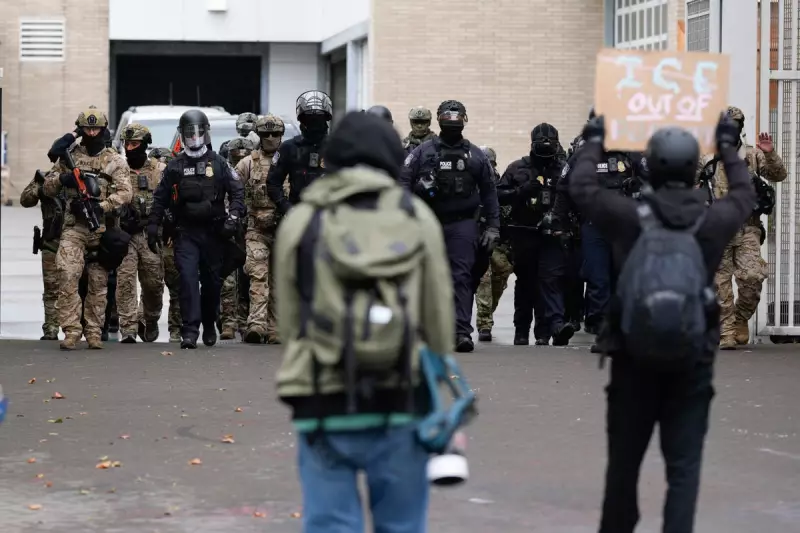
Her opinion characterised the protests outside the Portland Immigration and Customs Enforcement (ICE) building as largely peaceful, acknowledging only "isolated and sporadic instances of violence" rather than the widespread unrest the administration had cited.
Three-Day Trial Precedes Ruling
The landmark decision followed an intensive three-day trial initiated after both the city of Portland and the state of Oregon filed lawsuits challenging the proposed deployment.
The legal action stemmed from the administration's assertion that National Guard presence was essential to protect federal property from damage during ongoing demonstrations.
Oregon Attorney General Dan Rayfield welcomed the court's decision, stating it properly holds the administration accountable to both truth and the rule of law.
Rayfield emphasised that the ruling ensures factual evidence must guide legal application, rather than political considerations or exaggerated claims about protest activities.
The case represents another chapter in the ongoing tensions between federal authorities and local governments regarding appropriate responses to civil demonstrations across the United States.