The United Grand Lodge of England (UGLE) has instructed lawyers to challenge the Metropolitan Police Service over its controversial new policy requiring officers to publicly declare membership of the Freemasons. The move, confirmed by the force earlier this month, has sparked a major legal confrontation, with the Freemasons accusing the Met of discrimination and launching a formal pre-action letter, the first step towards a judicial review.
A Clash Over Transparency and Discrimination
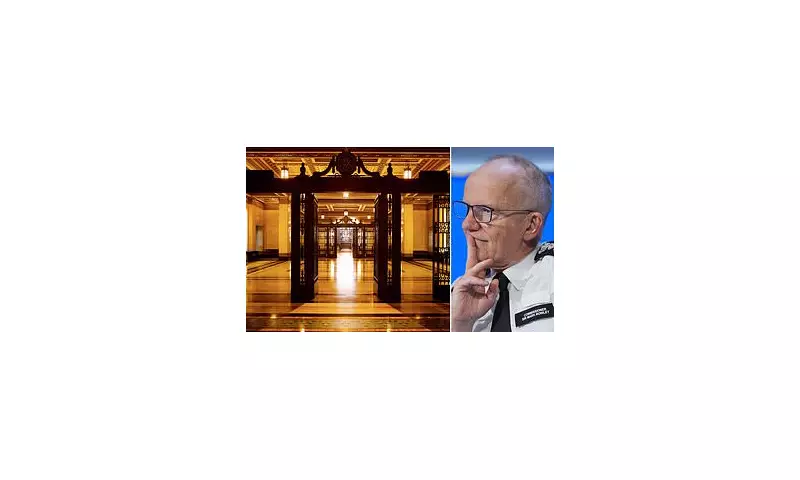
Acting on behalf of The Order of Women Freemasons and the Honourable Fraternity of Ancient Freemasons, UGLE argues the policy is discriminatory against freemasons. The legal letter calls on the Met to suspend its decision or face a full court review. The policy, pushed by Commissioner Sir Mark Rowley, adds Freemasonry to the force's 'declarable associations' list, alongside other hierarchical organisations.
Under the new rules, officers and staff must declare any past or present membership of groups that are hierarchical, have confidential membership, and require members to support each other. Adrian Marsh, Grand Secretary of UGLE, stated the decision casts an aura of mistrust over the entire Freemason community and forces the organisations to defend their members' rights through legal action.

Inadequate Consultation and Breach of Rights
The Freemasons' legal challenge heavily criticises the Met's consultation process, describing it as wholly inadequate, prejudicial and unjust. UGLE claims it was not properly included in the process and that less than five percent of officers completed the relevant survey. The force is also accused of refusing to consider any alternative solutions to enhance transparency.
Furthermore, UGLE contends that the reporting requirement could undermine the public credibility of freemasons and potentially breach their human rights and data protection (GDPR) rules. They emphasise that the Freemason's oath to support 'brothers' carries the caveat that it must not be to the detriment of family or the law.
Roots in the Daniel Morgan Murder and Public Trust
The Met's policy shift follows a recommendation from the 2021 Daniel Morgan Independent Panel report. Mr Morgan, a 37-year-old private detective, was murdered with an axe in a Sydenham pub car park in March 1987. The unsolved case was marred by allegations of police corruption.
The panel's report found that police officers' membership of the Freemasons had been a source of recurring suspicion and mistrust in the investigations. Mr Morgan's family later received a six-figure settlement from the Met. The force stated that two-thirds of respondents in its internal survey felt membership of such organisations affected perceptions of police impartiality and public trust.
This is not the first time Freemasonry's role in public life has been scrutinised. Between 1999 and 2009, new judges were required to disclose Masonic affiliation. In 2016, the police watchdog investigated whether Freemason membership influenced officers after the Hillsborough disaster.
The legal standoff represents a significant test for Sir Mark Rowley's drive for greater transparency within the Metropolitan Police, pitting modern policing standards against the centuries-old traditions and privacy of one of the world's most famous fraternal organisations. The Freemasons have now drawn a line, asserting they have no choice but to go to court to protect their members serving within the police.