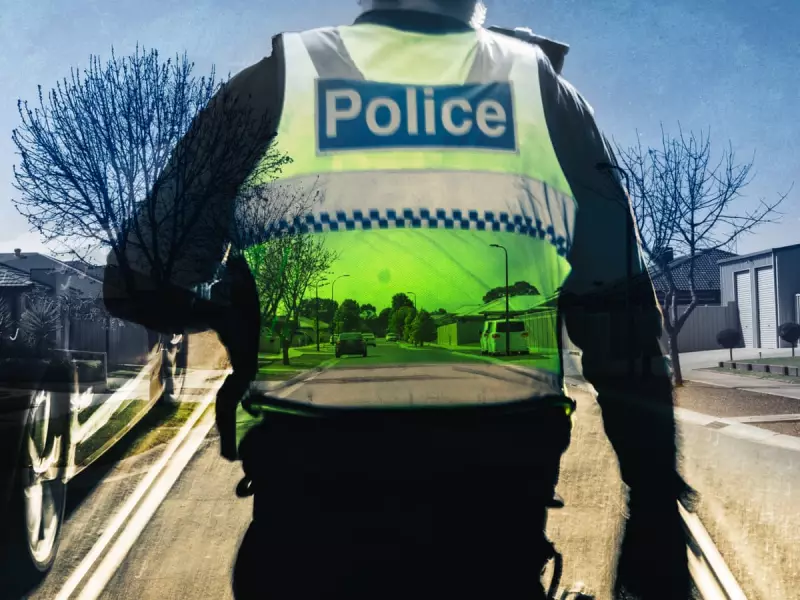
Family Endures 'Relentless' Night Visits
An Indigenous mother from regional New South Wales has launched landmark legal action against the state's police force after her two sons were subjected to what she describes as "excessive and relentless" bail checks. The case, filed in the Federal Court, alleges systematic racial discrimination in how police monitor young people on bail.
The brothers, aged just 11 and 13 when the visits began in 2021, experienced more than 150 police home visits over 20 months after being passengers in a stolen car. Their mother, using the pseudonym Megan for legal protection, described how officers would often arrive in the middle of the night or early morning, disturbing the sleeping children.
"They would knock on the door, bang on the windows with their torches, shine torches through the windows. It was relentless," Megan recalled. The family claims that between three and six officers would frequently conduct these checks, sometimes prompted merely by reports of stolen vehicles in their regional city.
Research Reveals Shocking Disparities
The Justice and Equity Centre (JEC), representing the family, commissioned research that analysed police data from the five years to March 2024. The findings reveal stark disparities in how Aboriginal and non-Aboriginal children on bail are treated.
According to the study conducted by Professor Don Weatherburn from UNSW and Associate Professor Anna Ferrante from Curtin University, Aboriginal children were 11.7% more likely to receive bail checks than their non-Indigenous counterparts. The research also found that Indigenous youth experienced 42% more checks on average and were more than twice as likely to face "very frequent" monitoring - defined as more than 11 checks within 30 days.
Grace Gooley, a senior solicitor at JEC, stated: "Stories like these are too common. NSW police are failing on Closing the Gap targets and the disproportionate rates of arrest and imprisonment of Aboriginal young people in NSW are unacceptable."
Legal Battle and Systemic Reform
The federal court case represents a significant legal challenge that could establish the first court finding of racial discrimination based on statistical evidence in New South Wales. The family had initially filed a racial discrimination complaint with the Australian Human Rights Commission earlier this year, but when conciliation with NSW police failed, they escalated the matter to the federal court.
Megan expressed the emotional toll of their ordeal: "I was too scared to go to sleep, in case I missed them knocking on the door. Police say they treat everyone fairly, but it feels like we've been targeted. And the numbers back us up."
The case emerges against a backdrop of ongoing reform efforts. In 2023, police abandoned a decades-old policy of proactively monitoring children who had recently offended or were considered at risk. This followed a police watchdog report that found the strategy potentially unlawful.
A 2025 report by the same watchdog recommended that police should only conduct home visits when specifically ordered by a court. However, a NSW police spokesperson defended their approach, stating: "Proactive policing strategies, including bail compliance checks, are designed to protect the people of NSW and to ensure persons charged with committing criminal offences are behaving in compliance with their bail conditions."
The spokesperson added that police recognise the overrepresentation of Aboriginal youth in the criminal justice system and claimed their strategies are guided by the Aboriginal Strategic Direction and Youth Strategy, which reflect the Closing the Gap Implementation Plan.
Meanwhile, youth justice remains a contentious political issue. Last year, the NSW government passed laws making it harder for young people accused of break-and-enter or car theft offences while on bail to obtain bail again. These laws were extended for three years in February 2024 despite no review of their effectiveness.
Vicki Sentas, a policing expert at UNSW, criticised punitive bail approaches: "They're just a disaster for children's futures" and don't enhance community safety in the long term.
The case continues as the family seeks both justice for their experience and systemic change to protect other Indigenous children from similar treatment.