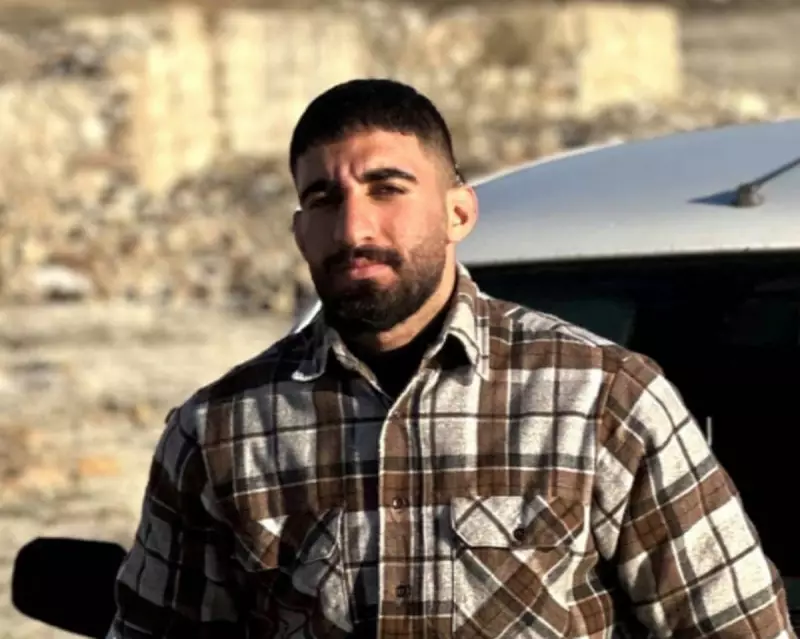
Death of Iranian activist who burned Khamenei photo causes international outcry
The death of a young Iranian man who filmed himself burning a photograph of Supreme Leader Ali Khamenei has ignited fierce controversy and protests across Iran. Omid Sarlak, a 22-year-old aviation student and amateur boxer, was found dead in his car on Saturday in western Iran with a gunshot wound to his head, according to official reports.
Conflicting accounts surround activist's death
Iranian police have stated that Sarlak died by suicide, citing gunpowder traces on his hands. However, fellow activists and anti-government media outlets strongly dispute this version of events. The timing of his death, occurring just hours after he posted a video of himself burning Khamenei's photograph on social media, has raised serious questions about potential foul play.
In the controversial video that preceded his death, Sarlak could be heard playing a recording of a speech by Iran's former shah, Mohammad Reza Pahlavi, who fled the country during the 1979 Islamic Revolution. In another Instagram story posted among his final messages, the young activist wrote passionately: "How long should we endure humiliation, poverty and being ridden over? This is the moment to show yourself, young people."
Father's contradictory statements deepen mystery
The mystery surrounding Sarlak's death intensified when a widely circulated video appeared to show his father at the scene declaring: "They killed my champion here." An off-screen voice in the same clip claimed he was "surrounded and shot". However, in a subsequent televised interview broadcast by state media, Sarlak's father appeared to retract these statements, asking the public to "not pay attention to what's circulating on social media" and allow judicial authorities to investigate.
Human rights activists have described the later interview as forced and expressed concerns that the family remains under constant surveillance by Iranian authorities.
Sarlak becomes symbol of resistance
The young activist's death has transformed him into an icon for Iran's protest movement. Hundreds of mourners who attended his funeral on Monday demonstrated openly, chanting slogans including "Death to the dictator" and "Death to Khamenei". In a powerful show of solidarity, numerous activists have since followed Sarlak's example by burning photographs of the supreme leader and sharing the videos online.
Bahar Ghandehari, director of advocacy at the US-based Center for Human Rights in Iran, emphasised the significance of these acts, noting that "insulting or burning the supreme leader's photo is considered a serious offence, carrying grave risks of arrest, imprisonment, harsh sentences, torture and even death."
Iranian wrestler Ebrahim Eshaghi, who now lives in Germany, revealed that Sarlak had contacted him shortly before his death with a chilling warning. "He sent me a message that his life was in danger and that if anything were to happen to him, we should be his voice," Eshaghi told The Guardian.
Echoes of previous protests
Sarlak's death has reignited some of the same public anger that emerged following the 2022 death of Mahsa Jina Amini, the Kurdish woman who died in morality police custody, sparking nationwide protests. The editor of the Amirkabir Newsletter, an Iranian student movement website, warned that while campuses remain "heavily securitised" preventing immediate protests, they believe "serious protests" will emerge later this year or early next.
Reza Pahlavi, the exiled son of Iran's former shah, has publicly honoured Sarlak, calling him "a hero and a brave soul who stood against the oppression of the Islamic Republic and sacrificed his life for Iran's freedom." As the controversy continues to unfold, Sarlak's death represents another flashpoint in Iran's ongoing struggle between government authority and public dissent.