Jimmy Lai's Journey: From Media Mogul to Convicted Activist in Hong Kong
Jimmy Lai: From Media Mogul to Convicted Activist

Jimmy Lai's Journey: From Media Mogul to Convicted Activist in Hong Kong

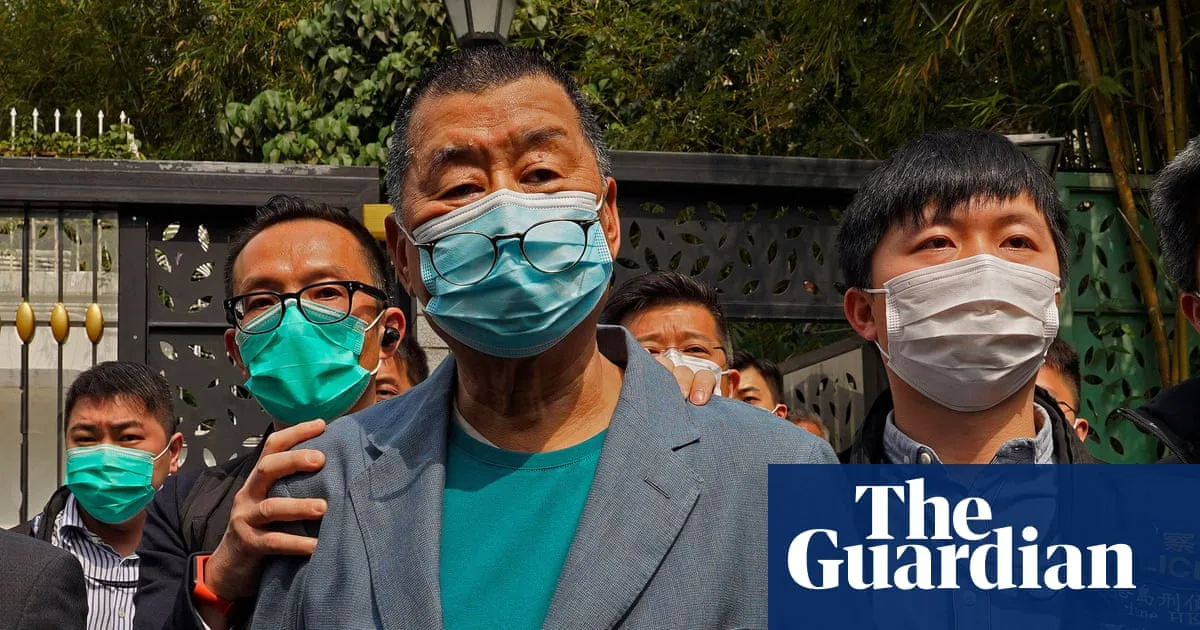
The former Hong Kong media mogul Jimmy Lai has become what observers describe as a potent symbol of the 2020 crackdown on press freedoms in Hong Kong. His landmark trial and subsequent conviction have drawn international attention, highlighting the profound changes in the city since its return to Chinese control in 1997.

A Polarising Figure: Fighter or Traitor?

To his supporters, Jimmy Lai is a steadfast fighter for democracy. To the Hong Kong government, he is a traitor to his motherland. The 78-year-old outspoken critic of China's ruling Communist Party awaits sentencing on Monday after being convicted in December of conspiring to commit sedition and collude with foreign forces. Observers assert that his trial came to symbolise a broader crackdown that began in 2020 on press and other freedoms, fundamentally altering Hong Kong's social and political landscape.

The Hong Kong government insists that Lai's case has nothing to do with press freedom, maintaining instead that it is an example of righteousness upheld by the law. A migrant from mainland China, he first made a fortune in Hong Kong's garment industry before founding the Apple Daily newspaper, where he authored articles criticising the Chinese and Hong Kong governments for limiting freedoms. The publication was eventually shuttered, and his own words were used as evidence during his trial.

From Stowaway to Clothing Tycoon

Jimmy Lai was born in 1947 in Guangzhou, southern China, two years before the communists came to power. At just 12 years old, he stowed away on a fishing boat to Hong Kong, seeking a better life like many Chinese of that era. His introduction to the garment industry came through working as a child labourer in a glove factory.

In 1981, he founded Giordano, an affordable casual clothing chain that grew into an international brand with 1,600 retail outlets across 30 countries. However, his business interests faced pressure from Beijing in the mid-1990s after he publicly insulted hard-line Premier Li Peng, calling him "the son of a turtle egg" following the government's justification of the deadly 1989 crackdown on protests in Tiananmen Square.

Shift to Publishing and Political Activism

The violent suppression in 1989 was a pivotal moment for Lai. Giordano printed T-shirts in support of the pro-democracy protests, and he ventured into publishing in 1990 by founding Next Magazine. Five years later, he launched the Apple Daily, a tabloid-style publication that gained readership through sensational reports and investigative scoops while openly criticising the government. Some observers now believe this editorial stance ultimately led to his legal troubles decades later.

Lai took his activism to the streets in 2014, participating in the pro-democracy Umbrella Movement protests, where demonstrators used umbrellas to shield themselves from police pepper spray. Apple Daily ran articles sympathetic to the movement. He emerged again in 2019 during a new wave of protests that shook the government and precipitated the crackdown on the city's freedoms. Meetings with U.S. Vice President Mike Pence and Secretary of State Mike Pompeo, where he urged them to speak out on Hong Kong's situation, became a key issue during his trial.

Arrest, Trial, and Imprisonment

In 2020, China's central government imposed a national security law on Hong Kong. Lai was arrested more than a month later and has been in custody since December 2020. Known as "Fatty Lai" to some friends and even a rival newspaper, the food lover appears to have grown thinner behind bars. A Roman Catholic, he has made drawings in prison of the crucifixion of Jesus, according to his friend Robert Sirico, a priest who received one of the pictures.

During his trial in November 2024, Lai testified, "For truth prevails in God's kingdom, and that's good enough for me," arguing that his Apple Daily writings were done without hostility or seditious intent. In July 2020, shortly after the national security law commenced, he told The Associated Press, "Hong Kong is dead." He added, "If I have to go to prison, I don't mind. I don't care. It won't be something I can worry about, I'll just relax and do what I have to do."

His journey from media mogul to convicted activist underscores the complex interplay of business, media, and politics in Hong Kong's recent history.