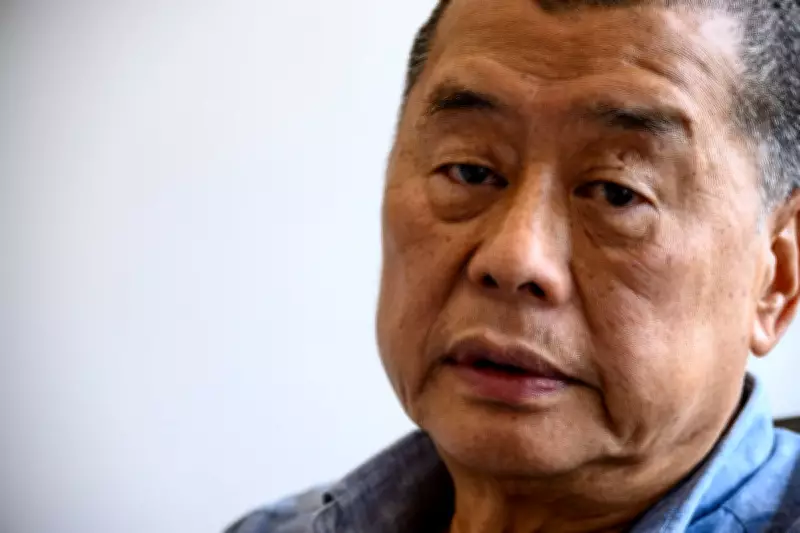
Hong Kong's judiciary has confirmed that pro-democracy media tycoon Jimmy Lai will be sentenced on Monday, following his conviction in December under a Beijing-imposed national security law. The 78-year-old founder of the now-defunct Apple Daily newspaper could potentially receive a life sentence in a case that has sparked significant international condemnation.
International Criticism and Political Tensions
The impending sentencing is expected to further strain relations between Beijing and several foreign governments. Lai's conviction has already drawn sharp criticism from both the United States and Britain. Following the December verdict, former US President Donald Trump expressed his dismay, stating he felt "so badly" about the outcome. The administration of UK Prime Minister Keir Starmer has explicitly called for Lai's release, noting his British citizenship status.
Legal Proceedings and Charges
Jimmy Lai was found guilty of conspiring with others to collude with foreign forces and conspiracy to publish seditious articles. Prosecutors accused him of conspiring with senior executives of Apple Daily and other individuals to solicit foreign forces to impose sanctions or blockades, or engage in other hostile activities against Hong Kong or China. Lai has consistently pleaded not guilty to all charges against him.

Six former Apple Daily journalists and two activists, who are co-defendants in the case, have entered pleas that could potentially lead to reduced sentences. All parties are expected to return to court on Monday to learn their respective fates.
Background and Context
Jimmy Lai, an outspoken critic of China's ruling Communist Party, was initially arrested in 2020 under the national security law. Beijing has maintained that this legislation was necessary for maintaining Hong Kong's stability following the anti-government protests that occurred the previous year. His trial has been widely interpreted as a clear indicator of diminishing press freedom in the former British colony, which reverted to Chinese rule in 1997.
Hong Kong's Judicial Response
In January, Hong Kong's Chief Justice Andrew Cheung addressed the international calls for Lai's release, stating that such demands based on political causes or identity circumvent proper legal procedures. He emphasized that these actions "strike at the very heart of the rule of law itself" and undermine efforts to ensure accountability within the judicial system.
Lai is already serving a nearly six-year prison term for previous convictions related to fraud allegations and his actions during the 2019 protests. The city's government continues to maintain that the current case bears no relation to media freedom, despite widespread international concern about its implications for Hong Kong's autonomy and civil liberties.