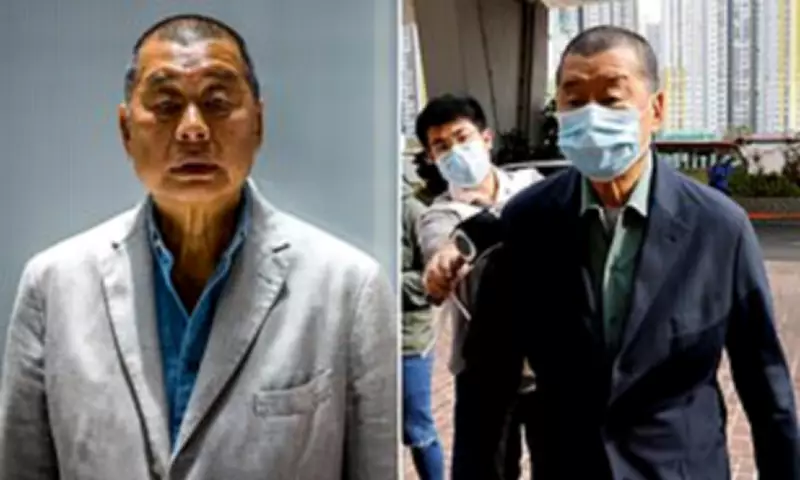
Jimmy Lai, the 78-year-old former media mogul and fierce critic of Beijing, has been sentenced to 20 years in prison under Hong Kong's sweeping national security law, with his sister warning he will die "a martyr" behind bars. The sentence is the harshest yet imposed under the China-backed legislation, which critics argue amounts to a life—and effectively a death—sentence for the elderly activist.
Family and Critics Condemn "Heartbreakingly Cruel" Punishment
In a statement released after the verdict, Lai's sister Claire branded the punishment "heartbreakingly cruel," adding, "if this sentence is carried out, he will die a martyr behind bars." His son Sebastien described the "draconian" jail term as devastating for the family and life-threatening for his father, stating it marked the "total destruction of the Hong Kong legal system and the end of justice."
Legal Details and Co-Defendants' Sentences
Lai was convicted in December of conspiring to collude with foreign forces to endanger national security and conspiracy to publish seditious articles, offences that carry a maximum sentence of life imprisonment. His co-defendants, six former employees of his Apple Daily newspaper and two activists, received prison terms ranging from 6 years and 3 months to 10 years on collusion-related charges. These defendants entered guilty pleas, which judges said helped reduce their sentences, with several serving as prosecution witnesses whose evidence "significantly" contributed to Lai's conviction.

Judges' Ruling and Health Considerations
Three government-vetted judges ruled that Lai was "no doubt the mastermind of all three conspiracies charged," warranting a heavier sentence. However, they reduced the penalty after accepting that Lai's age, health condition—including heart palpitations, high blood pressure, and diabetes—and time spent in solitary confinement would make his prison life more burdensome. The judges ordered that 18 years of Lai's sentence in the national security case be served consecutively to the five years and nine months he is already serving for a separate fraud conviction.
Political Reactions and International Criticism
Hong Kong's leader John Lee said the sentence demonstrated the rule of law, insisting Lai's crimes were serious and claiming the outcome would bring "great satisfaction" to the public. In contrast, international figures have condemned the ruling. U.S. Secretary of State Marco Rubio called the sentencing unjust and tragic, urging authorities to grant Lai humanitarian parole. British Prime Minister Keir Starmer's government has called for the release of Lai, a British citizen, with Foreign Secretary Yvette Cooper labelling the prosecution "politically motivated" and the prison term tantamount to a life sentence.
Background and Broader Implications
Lai was one of the first prominent figures arrested under the security law in 2020. His newspaper, Apple Daily, known for its fierce criticism of Hong Kong and Beijing governments, shut down in June 2021 after senior journalists were arrested. Legal experts warn the case could have far-reaching implications for journalists and academics in Hong Kong, with Urania Chiu, a law lecturer at Oxford Brookes University, noting the ruling shows how broadly seditious intent can be interpreted, especially regarding media engagement with international audiences.
Press Freedom and Human Rights Concerns
Hong Kong's decline in press freedom has accelerated since the security law's introduction, ranking 140th out of 180 territories in the 2025 press freedom index by Reporters Without Borders. Human Rights Watch Asia director Elaine Pearson described the 20-year sentence as cruel and unjust, warning it was effectively a death sentence. Police national security chief Steve Li welcomed the sentence, saying Lai had "done nothing good for Hong Kong" to justify leniency, and authorities announced assets linked to Lai's crimes would be confiscated.

Before sunrise on sentencing day, dozens queued outside the court for public gallery seats, including former Apple Daily employee Tammy Cheung, who remarked, "Whatever happens, it's an end—at least we'll know the outcome." As Lai smiled and waved at supporters upon arrival, he looked serious upon leaving, with some in the gallery crying, underscoring the emotional weight of this landmark case in Hong Kong's legal and political landscape.