One Year On: Landmark Supreme Court Ruling on Women's Definition Sparks Ongoing Debate
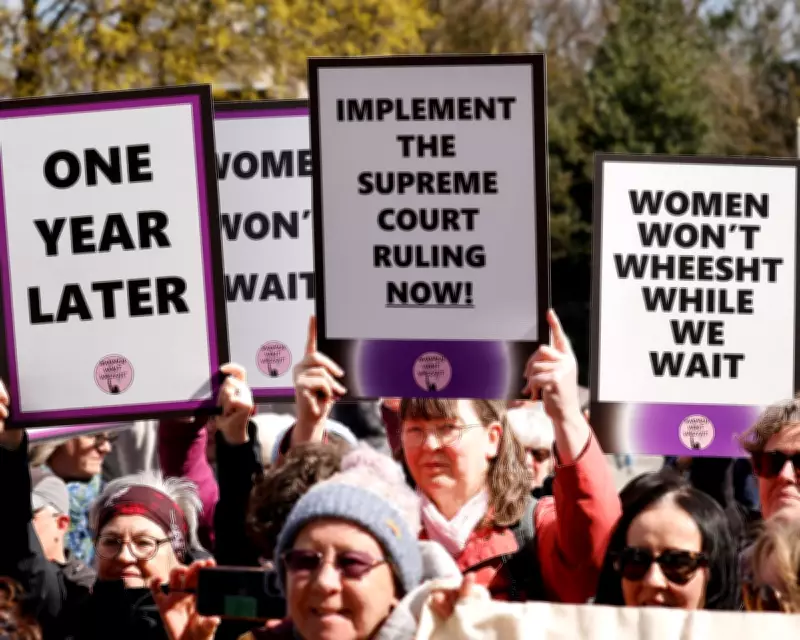
A Women Won't Wheesht rally on 11 April commemorated the first anniversary of a pivotal Supreme Court decision. The court confirmed that the definition of 'woman' under the Equality Act is grounded in biological sex, a ruling with profound implications for access to women-only spaces like refuges and toilets. Despite this legal clarity, many service providers await practical guidance on implementation, leading to widespread frustration and confusion.
Guidance Delays and Controversies
The Equality and Human Rights Commission (EHRC) has updated its code of practice to reflect the ruling, but approval from the government remains pending. Originally submitted last September, the guidance has faced criticism from women's groups for delays under Equalities Minister Bridget Phillipson. A leaked draft, which suggested restricting transgender individuals from using facilities aligned with their lived gender, sparked opposition from organisations deeming it unfair and unworkable. This stalemate highlights the tension between legal mandates and practical application.
Personal Experiences and Daily Realities
Individuals directly affected by the ruling share diverse perspectives on its impact. Janey, a 70-year-old trans woman in London, describes fleeting fears when using women's facilities but emphasizes resilience: "I just have to get on with my life." She notes increased societal acceptance of exclusionary rhetoric, particularly worrying for younger generations. In contrast, Susan Smith of For Women Scotland expresses relief, stating the ruling strengthens women's legal protections and empowers organisations to maintain single-sex services for sex-specific trauma.

Organisational Adjustments and Legal Challenges
Institutions are navigating complex adjustments. The Women's Institute, after 40 years of trans-inclusivity, announced it will no longer accept transgender women as members from April 2026, citing the legal definition. Chief Executive Melissa Green acknowledges the decision's difficulty, balancing inclusivity with legal compliance. Meanwhile, trade union activist Fiona Macdonald feels vindicated by the ruling, using it to support her discrimination case against her union for gender-critical beliefs. She calls for balanced rights and open debate within unions.
Healthcare and Accessibility Concerns
Healthcare settings face unique challenges. Jamie Hale, a trans man and wheelchair user, reports uncertainty among hospital staff regarding ward placements, fearing it may deter trans individuals from seeking medical care. He highlights issues with gender-neutral toilets repurposing accessible facilities, creating pressure on limited resources. Jess O'Thomson of the Good Law Project argues the ruling has been misrepresented, leading to self-exclusion and discrimination, and advocates for clearer, inclusive guidance from the EHRC.
Small Business Struggles
Small businesses, like the Grange pub in Cardiff, grapple with practical constraints. Manager Bryony Jones notes that structural changes to toilets are financially unfeasible, leading to a temporary solution of labeling an accessible toilet "for everyone." She criticizes the lack of support for small enterprises expected to comply with new norms without resources.
As the anniversary passes, the ruling's legacy remains contested. While some celebrate strengthened protections, others decry slow implementation and exclusionary effects, underscoring the ongoing struggle to balance rights in a polarized landscape.