A judge in Nova Scotia has ruled that the province's emergency ban on entering wooded areas during last summer's wildfires was not only confusing but also unconstitutional, violating Canadians' mobility rights. The decision came after a deliberate challenge by an army veteran, Jeffrey Evely, who hiked into the forest in Cape Breton and was fined nearly C$29,000.
Background of the Ban
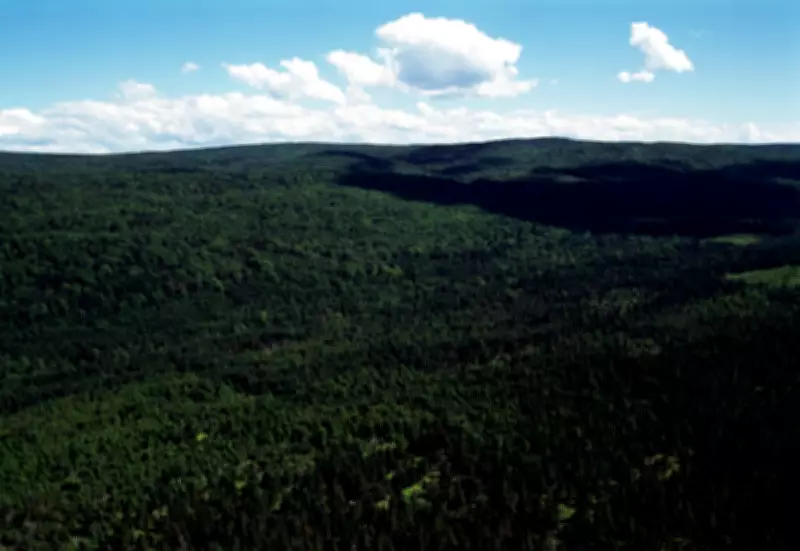
As wildfires swept through Nova Scotia in 2023, Premier Tim Houston imposed a ban on entering "the woods" to prevent further outbreaks. The order carried a fine of C$25,000, more than half the average worker's annual salary. However, the definition of "woods" proved problematic. Authorities deemed rock barrens, scrubland, marshes, and even areas where trees had once stood as covered by the ban. Residents were allowed to travel only if not going "any great distance" through wooded areas.
Legal Challenge
Jeffrey Evely, supported by the Justice Centre for Constitutional Freedoms (JCCF), deliberately violated the ban to challenge its legality. He informed bylaw officers of his plans before entering the forest, resulting in a fine of C$28,872.50. The JCCF, a libertarian-leaning group known for taking on controversial cases including the Freedom Convoy protests in Ottawa, argued the ban infringed on mobility rights under the Canadian Charter of Rights and Freedoms.

Court Ruling
On April 17, Justice Jamie Campbell of the Nova Scotia Supreme Court sided with Evely. He found that the ban violated Nova Scotians' mobility rights, a protected freedom described by courts as "the heart of what it means to be a free person." While the government can limit such rights in emergencies, Campbell ruled that the province failed to reasonably balance the infringement against the goal of stopping wildfires. He also noted that the order was "so vague as to be incapable of being interpreted at all."
Campbell criticized the government for issuing permits to industry groups like forest operators and utilities while barring ordinary citizens. "Those responsible for safeguarding … had to do something. They had to do it quickly and their options were limited," he wrote, but emphasized the need to protect individual rights.
Government Response
Premier Tim Houston defended the ban, stating, "I did what I thought was necessary as premier to support our firefighters, to keep people safe, to keep property safe, and that was the woods ban. That was completely appropriate in those circumstances." However, the court's decision has been seen as a rebuke of government overreach.
Broader Implications
Marty Moore, legal counsel for the JCCF, called the ruling "egg on the face of the government" and predicted it would deter similar measures. He drew parallels to pandemic restrictions and traced the case's roots to the Magna Carta and the Charter of the Forest (1271), which granted common people rights to use forests. "Unless you've been to Nova Scotia and touched the forest there, it's hard to understand the impact of what the travel ban looks like. Nova Scotia is the woods," Moore said.
The case highlights the tension between emergency measures and individual liberties, with the judge warning that if rights are not protected, "they can be eroded in a way that eventually affects everyone."