NSW Court of Appeal Declares Anti-Protest Law Unconstitutional
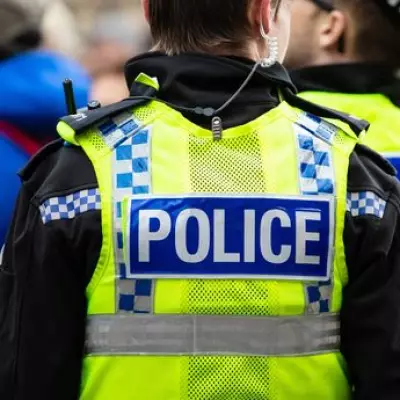
New South Wales' highest court has struck down an anti-protest law that was introduced in the aftermath of the Bondi beach terror attack. The legislation, known as the public assembly restriction declaration or Pard, gave police enhanced powers to restrict marches and public demonstrations.
Legal Challenge by Activist Groups
The court of appeal delivered its landmark ruling on Thursday after three activist groups filed a constitutional challenge in early January. The groups involved were the Blak Caucus, the Palestine Action Group, and Jews Against the Occupation '48. They argued that the law imposed unlawful restrictions on freedom of expression.
The legislation was passed following the Bondi beach terror attack, which resulted in the tragic loss of 15 lives. Under the law, protesters were prohibited from using the form 1 system in police-designated areas for up to three months after a terrorist incident. This effectively meant that individuals participating in marches faced a significant risk of arrest.

Court's Findings and Government Response
In a significant legal setback for the Minns government, the court found that the law impermissibly burdened the implied constitutional right to freedom of communication on government and political matters. This marks the second time within six months that an anti-protest law enacted by the Minns government has been ruled unconstitutional by the judiciary.
During the hearing in February, David Hume SC, representing the activist groups, contended that the legislation was counterproductive. He argued that it undermined the government's stated objective of enhancing social cohesion, making the situation worse rather than better.
In contrast, Brendan Lim SC, acting on behalf of the state government, defended the law as a "confined rolling back" of the legal protections typically provided by the form 1 system. He maintained that this approach was justified given the community's experience in the aftermath of a terrorist attack.
Impact on Recent Protests and Police Actions
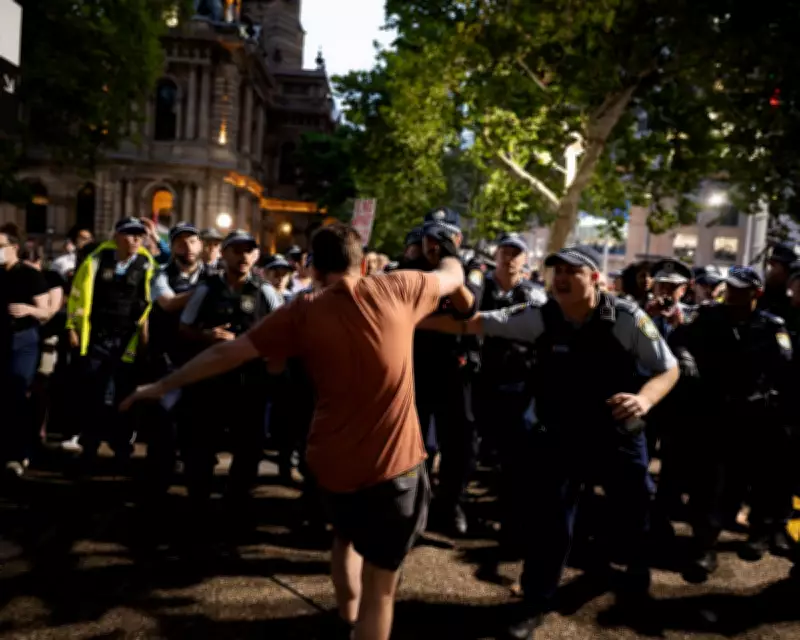
The restriction was actively enforced in parts of Sydney's central business district during a rally against Israeli President Isaac Herzog's visit in early February. That demonstration turned violent and prompted a police watchdog investigation into allegations of widespread police misconduct.
Police Commissioner Mal Lanyon extended the restriction multiple times over the summer period, only lifting it after Herzog had departed the country. Additionally, police utilized the laws to prevent Paul Silva, a member of Blak Caucus and one of the plaintiffs in the case, from organizing a march against Indigenous deaths in custody. The planned protest was set to begin at Hyde Park, a regular site for demonstrations in the city.
Days after blocking Silva's march, police amended the area covered by the restriction, specifically carving out Hyde Park ahead of a planned Invasion Day march. This move highlighted the ongoing tensions between protest rights and law enforcement measures.
Broader Legal Context and Future Implications
This ruling follows a previous successful challenge in October, where Josh Lees, on behalf of the Palestine Action Group, contested a law that granted police the power to move on protesters for standing "near" a place of worship, regardless of the protest's subject matter.
The court's decision to strike down the Pard law underscores the delicate balance between maintaining public safety and upholding fundamental democratic freedoms. It raises important questions about the future of protest regulations in New South Wales and the legal boundaries of police authority in managing public assemblies.
As the community continues to grapple with the legacy of the Bondi beach terror attack, this ruling reaffirms the critical role of judicial oversight in protecting constitutional rights. The outcome is likely to influence future policymaking and legal debates surrounding protest laws and civil liberties in Australia.