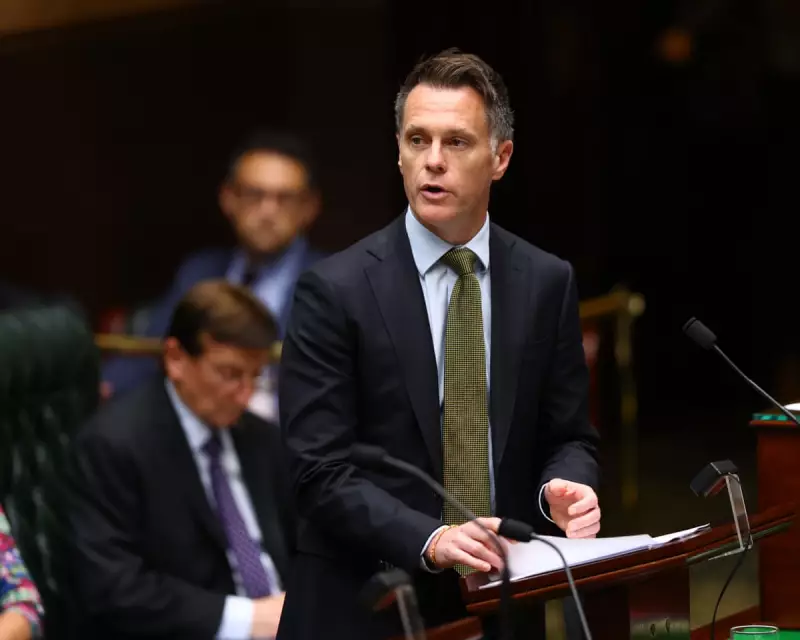
The New South Wales parliament is fast-tracking a significant tightening of gun laws and granting new powers to restrict protests, following the recent Bondi Junction attack. Premier Chris Minns urged MPs to pass the emergency legislation, which is expected to clear both houses by Tuesday despite deep political divisions.
Key Provisions of the Emergency Legislation
The bill, introduced at the behest of the NSW Police Commissioner, contains two major strands of reform. The firearms changes will impose a limit of four guns per individual, with an exception for professional shooters who may own up to ten. Licences must be renewed every two years, and belt-fed magazines will be banned.
Furthermore, most licence categories will require membership of a shooting club to extend informal supervision of owners. In a parallel move on public order, the NSW Police Commissioner will gain the power to ban protests for up to three months following a terrorist attack, with the minister's concurrence.

This authority allows for bans in specific areas or across the entire state and grants police new powers to remove face coverings. The legislation also creates new offences for using certain phrases, with the Premier indicating the phrase "globalise the intifada" will be prohibited.
Coalition Split and Fierce Opposition
The bill has exposed a clear rift within the NSW Coalition. While the Liberal Party has stated it will support the legislation, the Nationals have vowed to oppose it. Nationals leader Gurmesh Singh criticised the gun reforms as imposing "arbitrary limits" that would negatively impact farmers and regional businesses without addressing the root cause of antisemitism.
This opposition follows strong criticism from NSW Farmers and shooting bodies. From the other side of the political spectrum, the Greens have launched a scathing attack on the protest measures. Greens justice spokesperson Sue Higginson labelled them "the most draconian, authoritarian anti-protest laws this country has ever seen" and suggested they were likely unconstitutional.
Rushed Process and Future Amendments
The parliament reconvened specially on Monday and Tuesday to rush the changes through. Shadow Attorney General Alister Henskens confirmed Liberal support but expressed "serious reservations" about the lack of consultation with stakeholders and the crossbench. He indicated the opposition may move amendments to further toughen the laws.
Opening the session with a motion of condolence for the attack's victims, Premier Minns told parliament, "We must make these changes." He directly addressed the Jewish community, stating, "This is your home... and we must do everything we possibly can to ensure that you are safe and you are protected in this city."
The bill was debated in the lower house on Monday and is expected to pass the upper house on Tuesday, setting the stage for a significant shift in NSW's legal landscape concerning firearms and public assembly.