Authorities in New South Wales have imposed significant restrictions on public gatherings across Sydney, invoking controversial new powers granted in the wake of a deadly terror attack.
New Police Powers Invoked
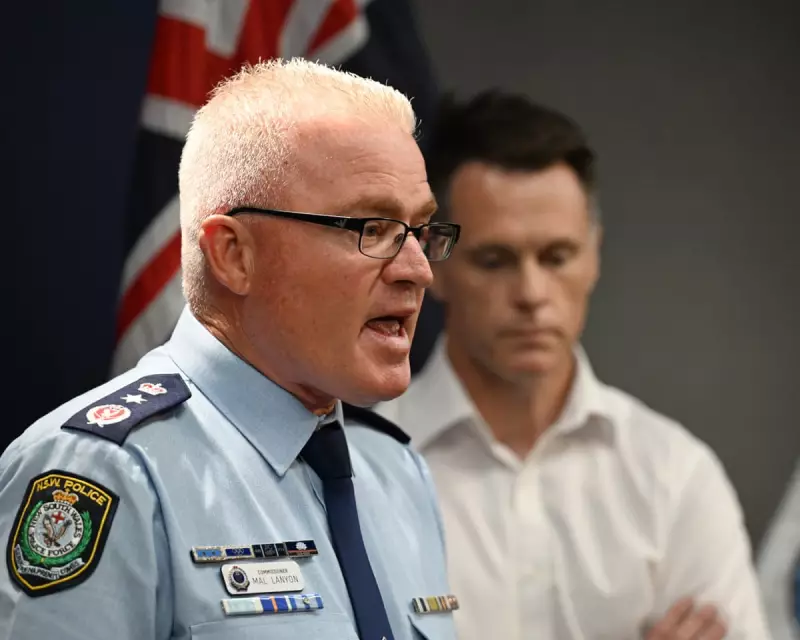
The NSW Police Commissioner, Mal Lanyon, announced the restrictions shortly before midnight on Wednesday. The declaration, made under laws passed by the state parliament that same day, will apply for an initial period of 14 days. It covers the south-west metropolitan, north-west metropolitan, and central metropolitan policing areas of Sydney.
Police stated that while gatherings are technically still permitted, officers may issue move-on directions to people causing obstructions or behaving in an intimidatory or harassing manner. The powers also apply to individuals deemed likely to cause fear in another person. The declaration can be reviewed and extended fortnightly for up to a total of three months.

Political Backlash and Defence
The swift legislative action was driven by Premier Chris Minns following the Bondi terror attack, which he described as "the worst terrorism event in this state’s history." The attack, allegedly carried out by a father-son duo at a Jewish Hanukah event, resulted in 15 fatalities.
The legislative package included tougher gun restrictions, strengthened hate speech laws, and the contentious crackdown on public assemblies. Premier Minns defended the laws, stating they were necessary to prevent hate speech from running rampant. He specifically pointed to pro-Palestine protests as breeding antisemitism that organisers could not control—a claim protest organisers vehemently deny.
Civil liberties groups have condemned the measures as draconian and a significant infringement on the right to peaceful assembly. The federal Greens party labelled the laws "dangerous and divisive." Concerns were also raised by Indigenous groups that the powers could impact planned Invasion Day protests on 26 January.
Legal Challenges and Social Divisions
In response to concerns about the January protests, Premier Minns indicated a distinction would be drawn between static rallies and marches, asserting such assemblies "can take place." He argued that rhetoric about protesting being entirely banned was overblown, emphasising the laws are triggered only under strict conditions related to a terrorism designation.
However, former Supreme Court judge Anthony Whealy expressed concern on ABC Radio, suggesting the laws could prevent communities, including Jewish groups, from protesting perceived failings in their own protection. He stressed the importance of restoring societal goodwill after an attack, something he believes divisive actions could undermine.
The ultimate impact of these protest crackdown laws remains uncertain, with a legal challenge to their validity already in development. The NSW government maintains the laws are not designed to stop peaceful gatherings but to keep people safe during a period of heightened tension, where "words can lead to actions."