

A senior White House official has called for the dismissal of CBS News staffers following an internal revolt over a spiked investigative report. The controversy centres on a '60 Minutes' segment about El Salvador's notorious CECOT prison, which was pulled after intervention from the network's editor-in-chief.
Editorial Intervention Sparks Internal Backlash
The segment, produced by veteran journalist Sharyn Alfonsi, investigated allegations of severe mistreatment of migrants within the CECOT facility. It featured harrowing first-hand accounts from deportees who described torture, beatings, and sexual abuse. According to reports, CBS News editor-in-chief Bari Weiss intervened before the piece could air, requesting significant changes.
Weiss reportedly asked for a new interview with White House Deputy Chief of Staff Stephen Miller to present the administration's perspective. The administration had previously declined to participate in the report. This editorial decision led to the segment being shelved, provoking anger within the '60 Minutes' team.

'Fire Them!': White House Reaction to the Revolt
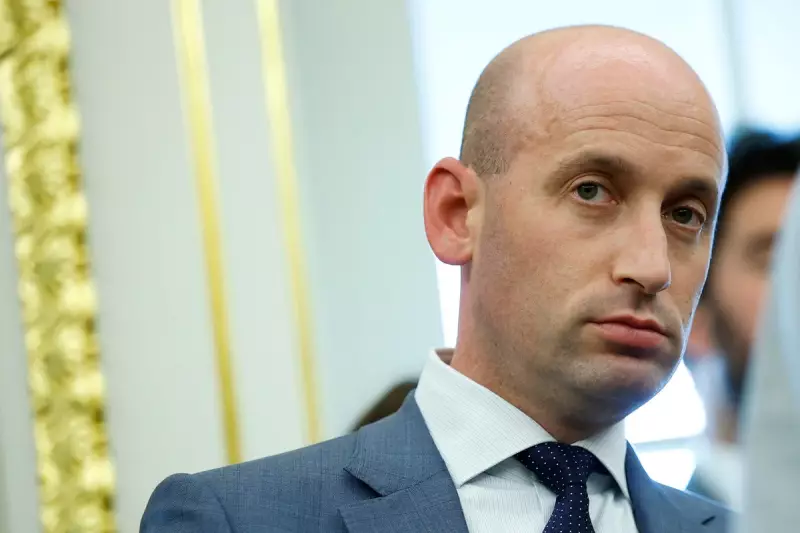
In response to learning of the staff discontent, Stephen Miller took a hardline stance. He publicly demanded that CBS remove any '60 Minutes' producers involved in what he termed a 'revolt' over the editorial decision. Miller's call for dismissals highlights the intense political pressure surrounding media coverage of immigration policies.
Sharyn Alfonsi criticised the move to spike the story, arguing that an administration's refusal to cooperate with journalists should not act as a 'kill switch' for reporting. The segment did not remain entirely hidden; it was subsequently leaked online after being broadcast by Canada's Global Television Network on Wednesday 24 December 2025.
Implications for Journalism and Political Pressure
This incident raises serious questions about editorial independence and the relationship between major news networks and political power. The demand for staff dismissals from a senior government figure represents a significant escalation in tensions. The key facts remain:
- A hard-hitting '60 Minutes' report on CECOT prison was pulled by editor Bari Weiss.
- Stephen Miller was asked to provide an interview for a revised version.
- Miller then called for CBS to fire staff who revolted against the decision.
- The full segment, detailing alleged abuses, was leaked after airing in Canada.
The fallout continues to develop, placing a spotlight on the challenges faced by investigative journalists when reporting on politically sensitive topics like immigration and detention.






