The Landscape of American Resistance
One year following Donald Trump's electoral victory, a remarkable tapestry of opposition has emerged across the United States, demonstrating that resistance to the administration manifests in countless forms beyond conventional political channels. From ordinary citizens confronting immigration officials to federal judges consistently ruling against presidential overreach, Americans have shown extraordinary determination in defending democratic principles.
Diverse Forms of Opposition
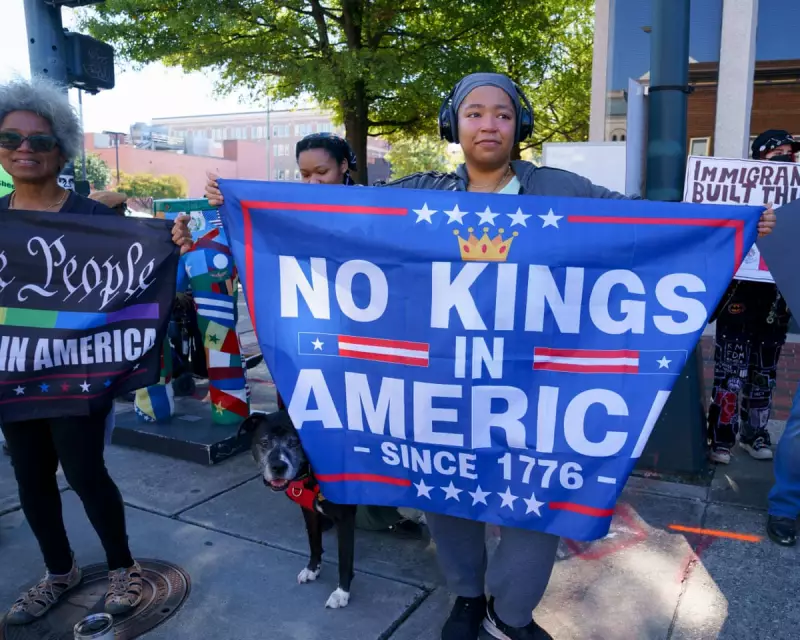
The resistance movement encompasses an astonishing variety of participants and tactics. An estimated 7 million people participated in what became the largest single day of protest in American history on October 18, with demonstrations occurring not just in traditionally liberal urban centres but throughout small towns and conservative-leaning counties. The movement has seen federal workers, including Centers for Disease Control staff, staging walkouts in late August to protest against anti-vaccine policies, while others resist through meticulous adherence to established procedures and facts.
Legal challenges have proven particularly effective, with human rights organisations, environmental groups, and state attorneys general filing numerous lawsuits against administration policies. Judges have repeatedly delivered stern rebukes to government lawyers and ruled against the administration in case after case. Meanwhile, Democratic state leaders like the governors of Illinois and California have dedicated significant effort to publicly challenging presidential decisions.
Solidarity with Vulnerable Communities
At the heart of the resistance lies a powerful current of solidarity with immigrants and refugees targeted by immigration enforcement agencies. This manifests in practical community actions: volunteers accompany individuals to immigration court appointments, neighbours walk children to school when parents fear deportation, and rapid-response teams monitor the movements of federal agents in cities like Chicago.
Religious institutions have played a prominent role, with Pope Leo XIV repeatedly speaking in defence of immigrants and the poor, while over 200 Chicago-area clergy members signed a letter titled 'Jesus is Being Tear Gassed at Broadview'. Many American cities have reaffirmed their status as sanctuary cities, refusing cooperation with Immigration and Customs Enforcement.
The movement has also seen significant defections from within traditional power structures. Miles Bruner resigned from his position as a Republican fundraiser, describing his former party as 'an authoritarian cult'. Marine Colonel Doug Krugman explained his military resignation by stating the president was testing how far he could ignore the Constitution. Even corporate entities have felt pressure, with successful boycotts affecting companies like Tesla, Target, and Disney.
As journalist Rebecca Solnit observes, the future of American democracy may well depend on the continued exercise of free speech and freedom of assembly in opposition to the current administration. This widespread, multifaceted resistance demonstrates that the nation's democratic spirit remains vibrantly alive in courtrooms, streets, and communities across the country.