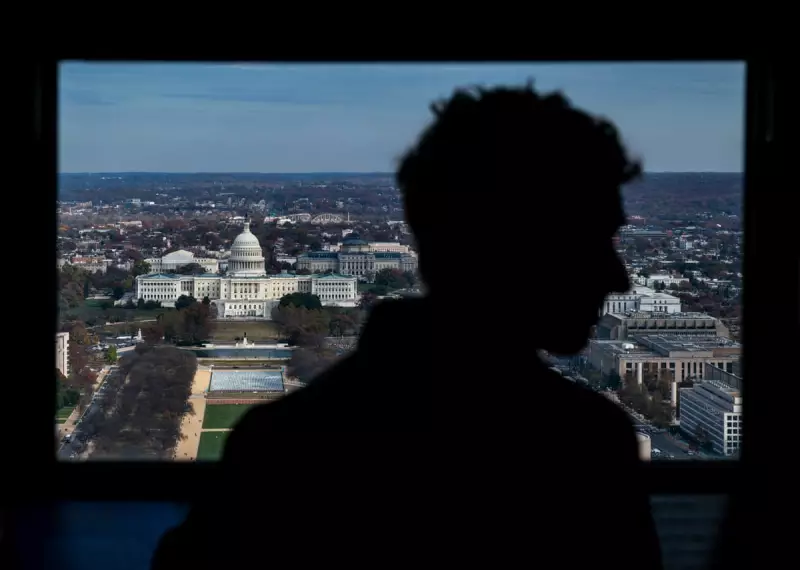
The year 2025 will be remembered in the annals of the United States Congress not for landmark legislation, but for an extraordinary and bitter wave of internal political reprimands. The House of Representatives descended into a cycle of recrimination, with lawmakers launching at least 17 formal attempts to censure or disapprove of their colleagues. This unprecedented flurry of disciplinary motions, most of which failed, highlighted a chamber deeply divided and more focused on punishing perceived slights than on governance.
The Censure Spree: A Record of Acrimony
While the House broke records for the longest floor speech and the longest government shutdown in 2025, it also presided over a historic number of censure resolutions. A censure, the chamber's formal mechanism for discipline, requires the offending member to stand before the House as the Speaker reads the rebuke. The consequence is purely reputational; the member retains their seat and vote. The frenzy grew so intense that by year's end, a bipartisan group, including Republican Don Bacon, proposed rule changes to make censures harder to pass, pleading, "How about we stop the circular firing squad in the House?"
Key Flashpoints That Sparked Outrage
The alleged misdeeds prompting these censure attempts ranged from personal insults to accusations of undermining democracy. The only successful censure of the year came in early March, following President Donald Trump's address to a joint session. Democrat Al Green interrupted the speech, waving a walking cane and shouting "he has no mandate," leading to his forcible removal. The House subsequently passed a censure resolution against him, with ten Democrats joining all Republicans in favour. In a poignant counter-protest, Democratic lawmakers surrounded Green and sang "We Shall Overcome" as the censure was read.

Other notable attempts included Republican Nancy Mace's effort to censure Democrat Robert Garcia for calling Elon Musk a "dick" and suggesting Democrats "bring actual weapons" to a political fight. In a case involving racial stereotypes, Democrat Chrissy Houlahan sought to censure Republican Lauren Boebert for describing Green's cane as a "pimp cane."
Crossing Party Lines and Backroom Deals
Amid the partisan fury, there were moments of cross-aisle cooperation to defuse tensions. Several censure attempts were defeated when small groups of Republicans joined unified Democrats. This happened with resolutions against Democrat Ilhan Omar for her comments following activist Charlie Kirk's murder, and against New Jersey Democrat LaMonica McIver after an altercation at an ICE facility. Republican Jeff Hurd, who voted against censuring Omar, defended his position by stating, "The right response to reprehensible speech like this isn’t silencing: it’s more speech."
The drama peaked in November, involving Democrat Stacey Plaskett and Republican Cory Mills. After the Washington Post reported Plaskett had texted Jeffrey Epstein during a 2019 hearing, Republicans moved to censure her. That resolution failed. Concurrently, Florida Republican Cory Mills faced three separate censure resolutions alleging misconduct. The procedural manoeuvring around these votes led to allegations of a "backroom deal" where GOP leaders protected Mills in exchange for votes against censuring Plaskett. Florida Republican Kat Cammack denounced any such arrangement as "swampy, wrong and always deserves to be called out."
Ultimately, 2025 showcased a US House of Representatives consumed by internal conflict, where the tool of censure was wielded with unprecedented frequency but little actual effect, leaving a legacy of bitterness and a stark illustration of the nation's fractured political discourse.