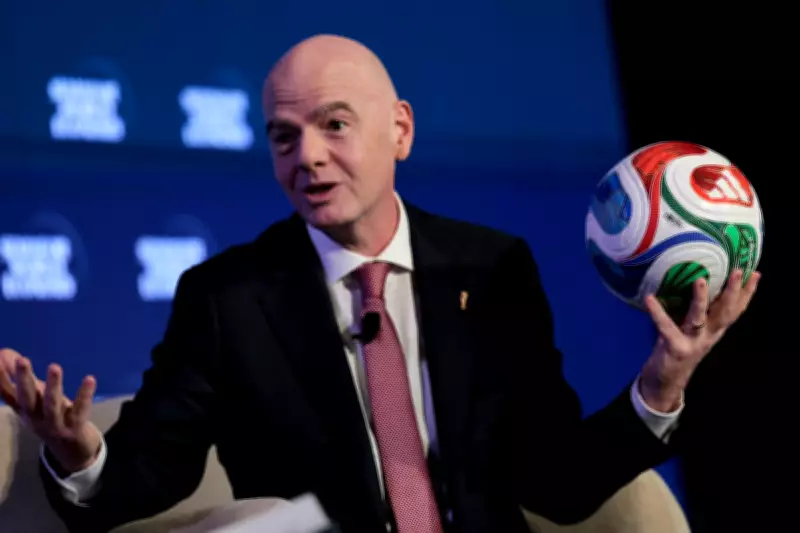
Fifa has expressed surprise at the outrage from local politicians in the United States regarding controversial public transport price hikes for fans attending the 2026 World Cup. The organisation responded to criticism over the spiralling costs, which have sparked a heated debate among officials and supporters alike.
New Jersey Governor Demands Fifa Cover Costs
New Jersey Governor Mikie Sherrill has called on Fifa to cover the escalating expenses for trains to MetLife Stadium. Under the new pricing structure, tickets could exceed $100, a stark contrast to the usual fares priced at $12.90. Sherrill argued that the financial burden should not fall on taxpayers, especially given Fifa's projected revenue from the event.
Fifa's Defence of Transport Agreements
Fifa has defended its position by citing original host city agreements from 2018, which initially required free fan transport. However, in 2023, these terms were adjusted to allow transport "at cost" for ticket holders. The organisation stated that this change was necessary due to financial strain on host cities, aiming to balance operational demands with economic realities.

Political Backlash Extends Beyond New Jersey
The controversy is not limited to New Jersey. Other prominent political figures, including Senate Minority Leader Chuck Schumer and Governor Kathy Hochul, have also criticised Fifa. They argue that the organisation, which is set to generate approximately $11 billion from the World Cup, should absorb transport costs rather than passing them onto local communities and fans.
Boston Faces Similar Criticisms
In Boston, authorities are planning to quadruple return fares to Gillette Stadium, further exacerbating the issue. This move has drawn criticism from fan groups such as Free Lions, who have voiced concerns over affordability and accessibility for supporters. The situation highlights a broader pattern of transport-related disputes across host cities.
Fifa's response underscores the ongoing tensions between global sporting bodies and local governments, as financial pressures and public expectations collide in the lead-up to major events like the World Cup.