Olympic Committee's Controversial Ban on Ukrainian Athlete's Memorial Helmet
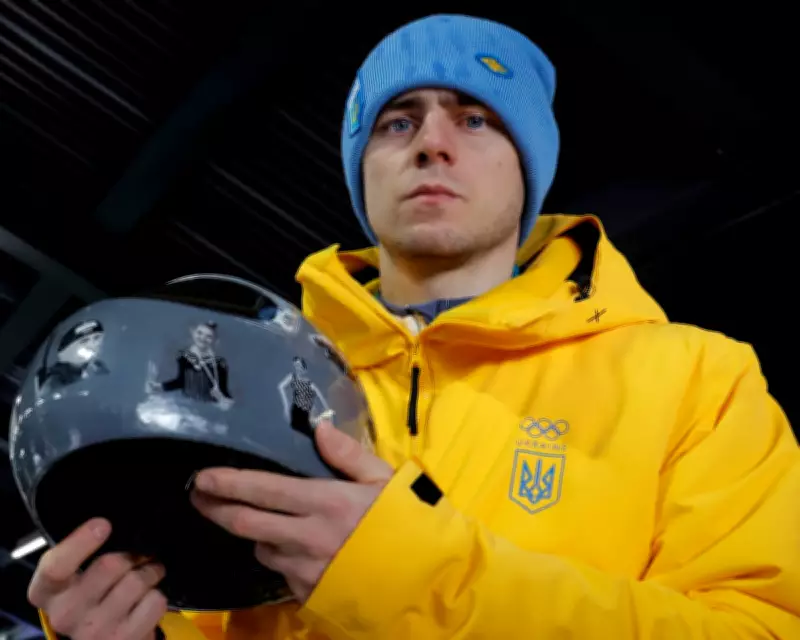
The International Olympic Committee (IOC) has ignited a firestorm of criticism by disqualifying Ukrainian skeleton athlete Vladyslav Heraskevych from the Winter Olympics. His offence? Wearing a helmet adorned with images of athletes and children who perished in Russia's invasion of Ukraine, a tribute he calls a 'helmet of memory'. Former Olympic champion Lizzy Yarnold has voiced her deep sadness over the ban, arguing it was a human display of remembrance rather than a political act.
Emotional Toll and Inconsistent Enforcement
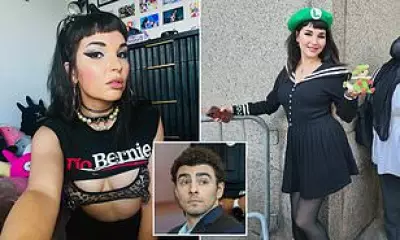
The emotional impact was starkly visible when Heraskevych's father learned of his son's disqualification, captured in a poignant moment of despair. Heraskevych, a genuine medal hope for Ukraine, has appealed to the Court of Arbitration for Sport, but the damage to his Olympic dream is already done. The IOC's messaging has been confusing, with President Kirsty Coventry tearfully attempting negotiations, while spokesperson Mark Adams took a hardline stance, citing over 130 global conflicts as a reason to avoid taking stands.
Inconsistencies in the IOC's approach have further fueled the controversy. Earlier, Ukrainian luge athlete Olena Smaha displayed the phrase 'remembrance is not a violation' on her glove without penalty. Similarly, Italian snowboarder Roland Fischnaller wore a Russian flag on his helmet, despite Russia's ban from the Games, yet faced no consequences. These examples highlight what many see as selective enforcement of Rule 50.2 of the Olympic Charter, which prohibits political propaganda in Olympic venues.

Broader Implications and Political Fallout
The IOC's attempt to keep sport and politics separate has backfired, with the presence of ICE agents and politicians like US Vice President JD Vance in the stands complicating matters. The ban has shifted focus away from athletic competition, sparking more political discourse, including comments from Ukrainian President Volodymyr Zelensky. Heraskevych argues his helmet is about remembrance, not politics, a sentiment echoed by fellow athletes who raised their helmets in tribute after his disqualification.
As athletes, we strive to concentrate on our events, but our lives are not lived in a vacuum. Heraskevych's bravery in honouring lost comrades has resonated widely, with his social media post stating 'this is the price of our dignity' capturing the gravity of the situation. The IOC's decision has left many calling for an apology, asserting that it was an incorrect move that has only heightened scrutiny on the committee's policies and fairness.