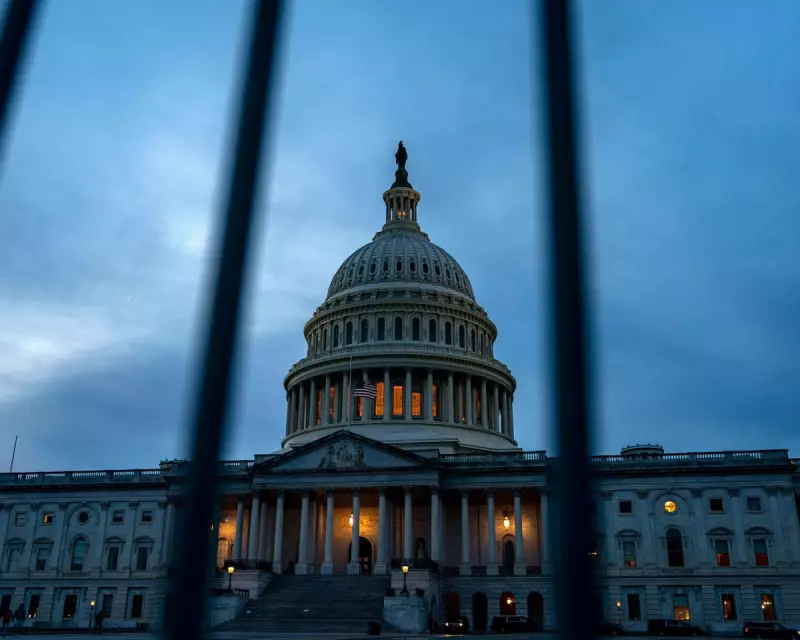
In a critical development aimed at ending the longest federal shutdown in modern US history, the Senate has initiated proceedings to vote on a funding bill that would reopen shuttered government services.
Breakthrough After 40 Days of Stalemate
The movement comes on the 40th day of the historic shutdown, which has forced hundreds of thousands of federal workers off the job and disrupted essential services across the United States. Senate Republicans, led by Majority Leader John Thune, announced plans to vote on advancing a House-passed stopgap funding bill as early as Sunday evening.
The proposed legislation would combine a short-term funding measure with a package of three full-year appropriations bills. However, the amended package would still require approval from the House of Representatives and ultimately need President Donald Trump's signature to become law—a process that officials acknowledge could take several more days to complete.
Democratic Resistance Over Healthcare Protections
Senate Democrats have maintained strong resistance to passing any funding measure that doesn't include protections for healthcare subsidies under the Affordable Care Act, commonly known as Obamacare. The emerging compromise would see the Senate agree to hold a separate vote later on extending the expiring subsidies that make health insurance affordable for millions of Americans.
Democratic Senator Richard Blumenthal of Connecticut expressed significant concerns about the arrangement, telling reporters he would vote against the funding measure. "I am unwilling to accept a vague promise of a vote at some indeterminate time, on some undefined measure that extends the healthcare tax credits," Blumenthal stated.
The skepticism was echoed by New Mexico Democrat Ben Ray Luján, who questioned whether House Speaker Mike Johnson would ultimately support the healthcare provisions. Johnson has previously stated he would not hold a vote on extending the crucial tax credits.
Progressive Backlash and Economic Consequences
Leading progressive voices within the Democratic party have denounced the potential compromise in strong terms. Massachusetts Senator Elizabeth Warren called the proposed deal "a mistake," while Vermont Senator Bernie Sanders warned that "it would be a policy and political disaster for Democrats to cave."
House Democrats have joined the criticism, with Minority Leader Hakeem Jeffries vowing to fight the legislation. "We will not support spending legislation advanced by Senate Republicans that fails to extend the Affordable Care Act tax credits," Jeffries declared in an official statement.
The economic impacts of the prolonged shutdown are becoming increasingly severe. White House economic adviser Kevin Hassett warned that continued closure could push economic growth into negative territory for the fourth quarter, particularly if air travel disruptions persist through the busy Thanksgiving holiday season.
North Carolina Republican Senator Thom Tillis acknowledged that the mounting consequences have pressured lawmakers toward agreement. "Temperatures cool, the atmospheric pressure increases outside and all of a sudden it looks like things will come together," Tillis told journalists.
The shutdown has already caused significant disruptions to federal services, affecting food assistance programmes, national parks, and air travel operations. With Thanksgiving approaching on November 27th, concerns are mounting about the potential for travel chaos during one of America's busiest holiday periods.