BBC's Future in Jeopardy: Licence Fee Crisis and Labour's 'Radical' Rescue Plan
BBC licence fee crisis as Labour plans radical rescue

The BBC is operating on borrowed time, sustained more by fading nostalgia for 'Auntie' than by robust public support. With its traditional funding model collapsing, the new Labour government is drafting a series of radical proposals intended to secure the corporation's survival.

A Licence Fee in Freefall

The scale of the challenge is stark. The number of households paying the £174.50 annual television licence fee has dropped sharply, from 25.2 million in 2020 to 23.8 million this year. This decline is estimated to be costing the BBC around £1 billion annually in lost revenue. Last year, the licence fee generated approximately £3.8 billion, with its commercial production arm, BBC Studios, bringing in a further £2.2 billion.

Culture Secretary Lisa Nandy is spearheading a survival plan, with the BBC's royal charter due for renewal in 2027. Recognising the current regime—often seen as a tax on television—is headed for the scrapheap, ministers are examining controversial alternatives.

Radical Proposals and Mounting Scandals

The government's consultation includes potentially transformative ideas. These range from introducing a Netflix-style subscription service to implementing a tiered licence fee where wealthier households pay more. One particularly contentious suggestion links the fee to property values. Another model under consideration would blend a reduced fee with advertising, mirroring the approach of Ireland's public broadcaster, RTE.

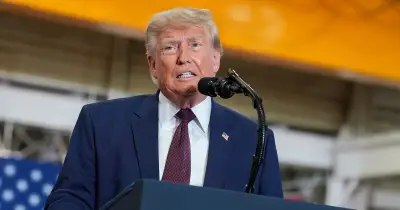
However, the BBC's profound crisis of trust complicates any financial rescue. A litany of scandals has severely damaged its reputation. Most recently, an explosive leaked dossier from independent adviser Michael Prescott alleged bias in news output, including claims a Panorama documentary edited footage to exaggerate Donald Trump's role in the 2021 Capitol riot. This led to the resignations of Director-General Tim Davie and head of news Deborah Turness.

The corporation is still grappling with the fallout from other controversies: newsreader Huw Edwards was convicted for making indecent images of children; former MasterChef host Gregg Wallace quit over sexual harassment claims; and the dark legacy of Jimmy Savile's crimes on BBC premises endures. Furthermore, the 1995 Martin Bashir interview with Princess Diana, secured through deception, remains a landmark failure.

Internal Challenges and a Disconnected Culture

The problems are not just historical. Earlier this month, BBC Question Time featured two former asylum seekers who entered the UK illegally on small boats, sparking further debate about its editorial stance. Internally, there is a growing belief the licence fee's days are numbered. One BBC source even suggested commercially spinning off Radio 1 and 2 to help fund core services, acknowledging such a move could be seen as a 'Trojan horse'.

In Scotland, the decline in licence fee payments has been accelerated by political fallout from the 2014 independence referendum. The BBC's £200 million digital channel for Scotland has been a costly misstep, watched weekly by fewer than one in eight adults. Its flagship news programme, Reporting Scotland: News at Seven, attracted under 30,000 viewers for its debut.

The corporation's attempts to remind the public of its value—like on-screen slates thanking licence fee payers—seem inadequate against a backdrop of perceived elitism. From staff reportedly weeping over the Brexit result to paying presenter Gary Lineker over £1 million a year amid his political commentary, the disconnect with its audience is pronounced. Lineker left in May 2024 after sharing a post containing an image of a rat in a discussion about Zionism, an illustration with anti-Semitic connotations.

Meanwhile, evasion has soared, prosecutions have tumbled, and post-Covid enforcement has become far harder. With more households abandoning live TV for streaming—which doesn't require a licence—the financial foundations are crumbling. As World Affairs Editor John Simpson suggested the BBC faces a politically motivated attack, the reality is that the broadcaster's greatest threat may be its own series of missteps. The tragedy for the BBC is that if it falls, it will have largely itself to blame.