Former Daily Mail Editor Claims Phone Number Gathering Was 'Low on Richter Scale of Unlawfulness'
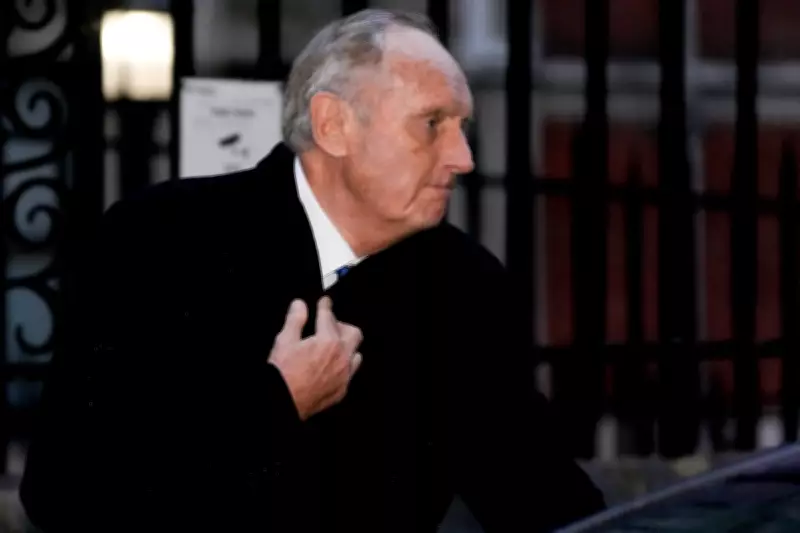
Paul Dacre, the former editor of the Daily Mail, has told the High Court that journalists obtaining ex-directory telephone numbers would have been "very, very low on the Richter scale of unlawfulness". The 77-year-old, now editor-in-chief of DMG Media, made the statement during cross-examination in a major privacy lawsuit brought by seven high-profile individuals, including Prince Harry, Sir Elton John, and Baroness Doreen Lawrence.
Defending Information Gathering Practices
Dacre was questioned by David Sherborne, representing the claimants, about whether he knew that "enquiry agents" had obtained unlisted phone numbers and supplied them to Daily Mail journalists. He responded that he did not know if this practice was legal, but if it was unlawful, it would have been "low on the Richter scale". He suggested that obtaining such numbers "may well have been public interest" if it offered someone a right of reply.
The former editor also addressed allegations about a 2007 article concerning travel arrangements for Prince Harry and his then-girlfriend Chelsy Davy. Dacre stated he was "totally unaware" of how journalist Rebecca English obtained flight details, which allegedly included Ms Davy's seat number. He added that "airlines were very relaxed" about giving out such information when he was a working journalist.

High-Profile Legal Action and Denials
The group of claimants, which also includes David Furnish, Sir Simon Hughes, Liz Hurley, and Sadie Frost, accuses Associated Newspapers Ltd (ANL) of:
- Obtaining medical records illegally
- Phone hacking activities
- Tapping landline communications
- Making improper payments to police officers
ANL has strongly denied all wrongdoing and is vigorously defending the claims. Dacre emphasized in his written evidence that it was "inconceivable" that anyone at the Daily Mail would have carried out the alleged activities.
Tense Courtroom Exchanges
During sometimes heated questioning, Dacre accused lawyer David Sherborne of twisting his words, stating: "You're very good at smearing the living, you're even better at smearing the dead." This comment referenced the late lawyer Eddie Young, who Dacre said would have informed him of any serious problems.
Dacre also revealed he received "maybe hundreds" of messages each year from "rich and powerful people" who he alleged would use lawyers to try and "suppress" stories. This included reference to a 2010 letter from a lawyer acting for Labour MP Clive Betts alleging unlawful obtaining of personal details.
Emotional Response to Lawrence Allegations
Particularly emotional exchanges concerned Baroness Doreen Lawrence's claims that the Daily Mail targeted her with hidden electronic surveillance and tapped her landline. Dacre told the court "My heart bleeds for Baroness Doreen Lawrence" but defended the newspaper's 15-year campaign for justice for her murdered son Stephen.
He described the Lawrence campaign as "the campaign of which I am most proud" during his 26-year editorship, adding that suggestions the paper ran it to generate exclusive headlines were "sickeningly misplaced and bleakly cynical." Dacre said it "simply defies reason" for the Daily Mail to use illegal methods to monitor other newspapers' involvement in the Lawrence campaign.
Personal Involvement and Legacy Concerns
Dacre revealed personal involvement in sourcing a key article referenced in Baroness Lawrence's claim, stating he had a "very clear recollection" that then-Home Secretary Jack Straw personally gave him the story about ordering a major investigation. The two had been friends since Leeds University, and Dacre said Straw provided the information because of the Daily Mail's justice campaign.
When asked if his involvement in the case was motivated by a desire to protect his legacy rather than ensure a fair outcome, Dacre responded that while he did wish to clear his name, he also cared deeply about the newspaper and "the honest and dedicated staff who work for it."

Private Investigator Ban and Nighttime Reflections
The former editor told the court he had "brought the shutters down" on using private investigators in April 2007 after a "gradual realisation" that they may have been using unlawful methods. In his witness statement, he said: "Of one thing I am sure: if I had been told that there was definitive evidence that a journalist or an agent on their behalf had blagged significant private information which was not in the public interest then I would have been pretty furious."
Dacre also reflected on the emotional toll of the case, writing that the "grave and sometimes preposterous allegations" had "astonished, appalled and – in the small hours of the night – reduced me to rage."
The testimony continues as one of the most significant media privacy cases in recent British legal history unfolds, with implications for press practices and privacy rights across the United Kingdom.