The US Department of Justice has ignited a political firestorm after it was discovered that 16 photographs were quietly removed from its online release of documents related to the late financier and convicted sex offender Jeffrey Epstein. The images, which included a previously unseen photo of former President Donald Trump, vanished from the website without explanation over the weekend, leading to furious accusations of a Republican-led cover-up.
Mysterious Removal and Swift Backlash
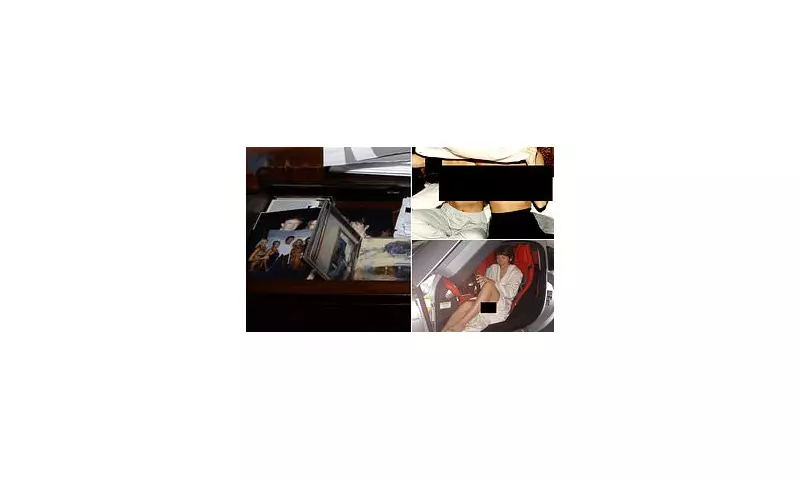
The vast document dump, comprising more than 13,000 files, was published late on Friday to comply with a congressional mandate. However, by Saturday, observers noted that a specific batch of 16 images was no longer accessible. Among them was a photograph showing an open desk drawer containing two pictures of Donald Trump. One of these was an unpublished snapshot of Trump posing with four women in swimwear.
The set of removed images appeared to be from a small massage parlour, decorated with cloud-painted ceilings and brown patterned wallpaper, and adorned with multiple nude photographs and paintings. Another missing photo featured Trump alongside his wife Melania, Jeffrey Epstein, and Epstein's longtime associate Ghislaine Maxwell.

Democrats on the House Oversight Committee were quick to question the move. "Is this true? What else is being covered up?" they demanded in a public post directed at the Attorney General, calling for full transparency for the American public.
DOJ's Explanation and Reinstatement
Facing immediate backlash, the Department of Justice initially stated on social media platform X that the image of the American president had been flagged "for potential further action to protect victims." Deputy Attorney General Todd Blanche later called suggestions the photo was removed because it featured Trump "laughable," insisting there were already dozens of public photos of Trump with Epstein and that the review was conducted out of an abundance of caution for victims.
By Sunday morning, following a review, the DOJ reinstated the image, stating that "there is no evidence that any Epstein victims are depicted in the photograph." The department affirmed that documents and photos would continue to be reviewed with caution for victims and their families.
Broader Concerns Over Incomplete Release
The controversy over the removed photos compounded existing, widespread criticism of the document release itself. Lawmakers and victim advocates condemned the publication as incomplete and overly redacted. The release, which included tens of thousands of pages, offered little new insight into Epstein's crimes, according to analysts, with nearly 700 pages entirely blacked out and key documents apparently missing.
Congressman Thomas Massie, a Kentucky Republican who co-authored the bill forcing the release, expressed deep disappointment, accusing the administration of "flouting the spirit and the letter of the law." He and Democrat Ro Khanna, his co-sponsor, are now considering legal action over the incomplete disclosure.
Victims' rights attorney Gloria Allred stated the "system has failed the survivors," highlighting that some survivors' names were wrongly exposed, while one Epstein survivor penned an angry letter to the DOJ protesting that her identity was disclosed publicly without proper redaction.
A Glimpse into Epstein's World
The released files, while heavily censored, provided a chilling visual archive of Epstein's life and connections. Among hundreds of photographs were images of:

- Former President Bill Clinton smiling at parties, relaxing in a hot tub, and posing with figures like Michael Jackson and Kevin Spacey.
- Prince Andrew, the Duke of York, lying across the laps of five women at a black-tie event at Sandringham with Ghislaine Maxwell in the background.
- Celebrities and powerful figures including actor Chris Tucker, magician David Copperfield, broadcaster Walter Cronkite, and billionaire Richard Branson.
- Intimate and disturbing details from Epstein's properties, including erotic art, sex toys, costumes, and photographs of unidentified, often redacted, young women.
Despite the prominent appearance of many famous faces, the Department of Justice and victim advocates stress that being named or pictured in the files is not an indication of wrongdoing in relation to Epstein's crimes. The DOJ maintains it is releasing records on a rolling basis, citing the time-consuming process of redacting sensitive information to protect survivors.
The episode underscores the intense scrutiny and political tension surrounding the Epstein case, with demands for accountability and transparency far from satisfied.