The Silence of the Powerful Grows More Indefensible Daily
The ongoing refusal to speak by prominent figures connected to Jeffrey Epstein has shifted from merely disturbing to utterly indefensible. As Ghislaine Maxwell continues her stonewalling from prison, the persistent muteness of Andrew Mountbatten-Windsor and Peter Mandelson becomes more alarming with each passing day, particularly as fresh revelations surface about Epstein's youngest known victim.
Maxwell's Chilling Performance Before Congress
From her low-security Texas prison facility, Ghislaine Maxwell delivered a twenty-minute deposition that was chilling in its emptiness. Dressed in a beige prison uniform with cropped hair and glasses, the convicted sex trafficker appeared noticeably healthier and more composed than during her trial. She invoked her right to silence, spelled her name, and offered no words for victims, no acknowledgement of harm, and no flicker of remorse.
This performance of legal obedience devoid of moral responsibility coincided with lawmakers revealing some of the most harrowing details yet from the Epstein files. The disclosure included a nine-year-old victim and six men whose names remain redacted, including a current senior foreign government official. These are not marginal details but central to understanding the system that protected Epstein for decades.

The Royal and Political Connections Remain Unexplained
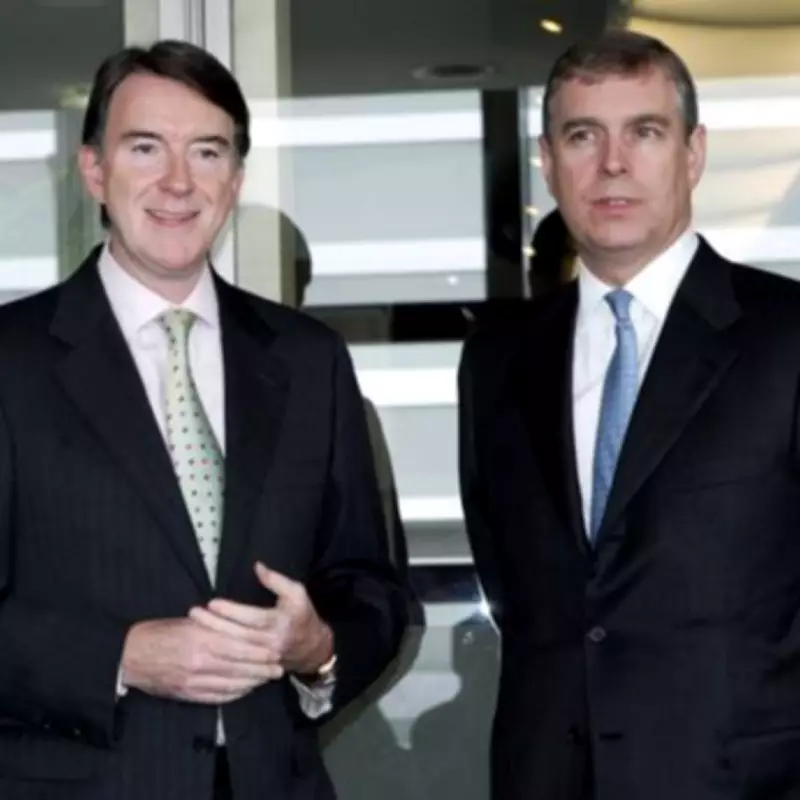
Andrew Mountbatten-Windsor has settled a civil case without admitting liability and denied wrongdoing, yet he has never provided a full public account of his relationship with Epstein or Maxwell. Beyond his disastrous Newsnight interview, he has never faced proper cross-examination or explained how a serial child abuser gained access to royal circles and residences. His silence has been rewarded with continued protection, privacy, and privilege.
Peter Mandelson has similarly acknowledged knowing Epstein and visiting his properties while insisting nothing improper occurred. The public is asked to accept this on trust despite files revealing ever-younger victims and expanding networks of enablers. Like Andrew, Mandelson's carefully managed silence grows increasingly untenable as evidence mounts.
A Pattern of Protection and Impunity
Maxwell's lawyer only deepened public outrage by suggesting she might speak if granted clemency, treating justice for raped children as potential leverage. Democratic lawmakers in the United States expressed fury, with some accusing the White House of allowing pardon possibilities to influence proceedings and others demanding Maxwell's transfer to maximum-security facilities.
Lawmakers reviewing unredacted Epstein files described names removed for mysterious reasons and identities hidden despite legislation explicitly banning redactions made to prevent embarrassment or reputational harm. While victims' identities must be protected, the powerful should not receive similar shielding.
The Moral Stakes Could Not Be Clearer
Epstein did not abuse children alone but relied on silence, complicity, and social deference. He depended on people who asked no questions or knew answers but chose not to speak. This is why Maxwell's silence matters, and why the silence of Mountbatten-Windsor and Mandelson matters even more profoundly.
These men are not on trial or behind bars but remain free, once-powerful figures whose voices could illuminate how Epstein operated and why he was permitted to continue for so long. Each day they maintain silence contributes to the same culture of impunity that enabled the abuse initially.
Epstein's death has proven convenient for many, but his victims remain alive, carrying consequences of abuse that was ignored, minimized, or buried. Silence may be legally safe but is morally damning. As details grow darker and victims younger, the public should no longer accept silence from anyone, regardless of titles, power, or connections.